7 Best Swift Tools For Skein Management To Try
Optimize your knitting workflow with these 7 essential Swift tools. Discover top-rated solutions for efficient skein management and organized yarn inventory.
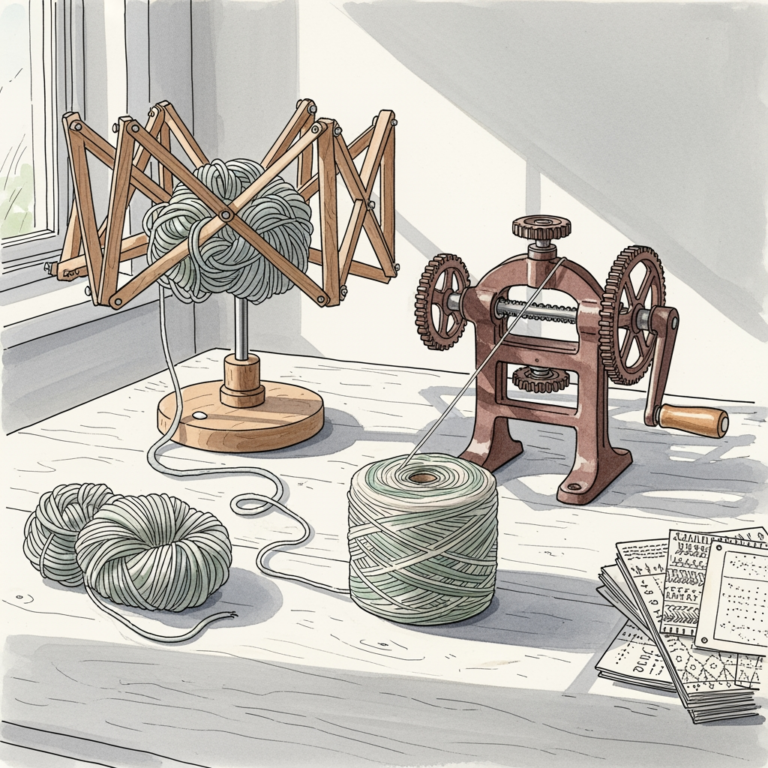
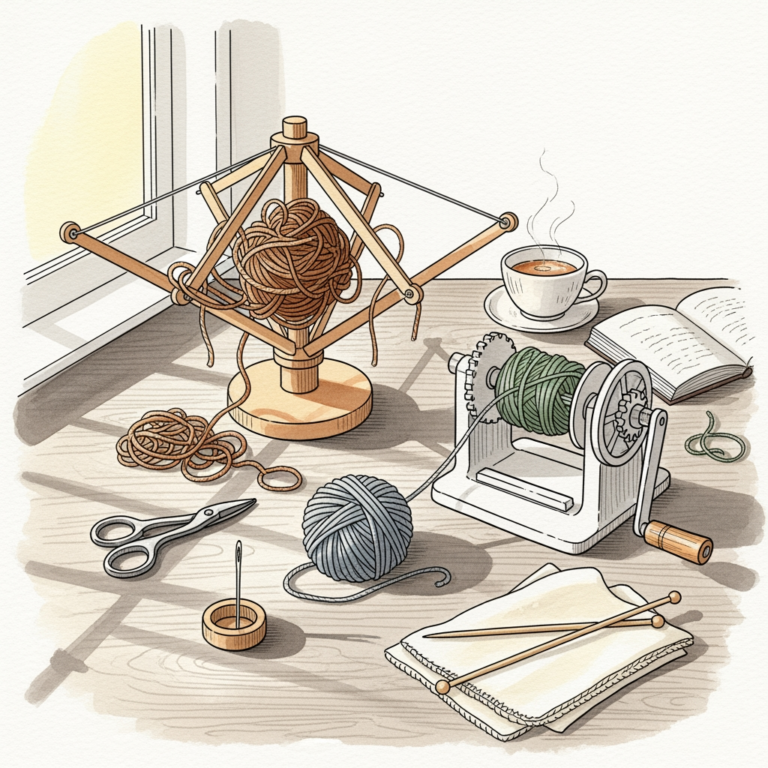
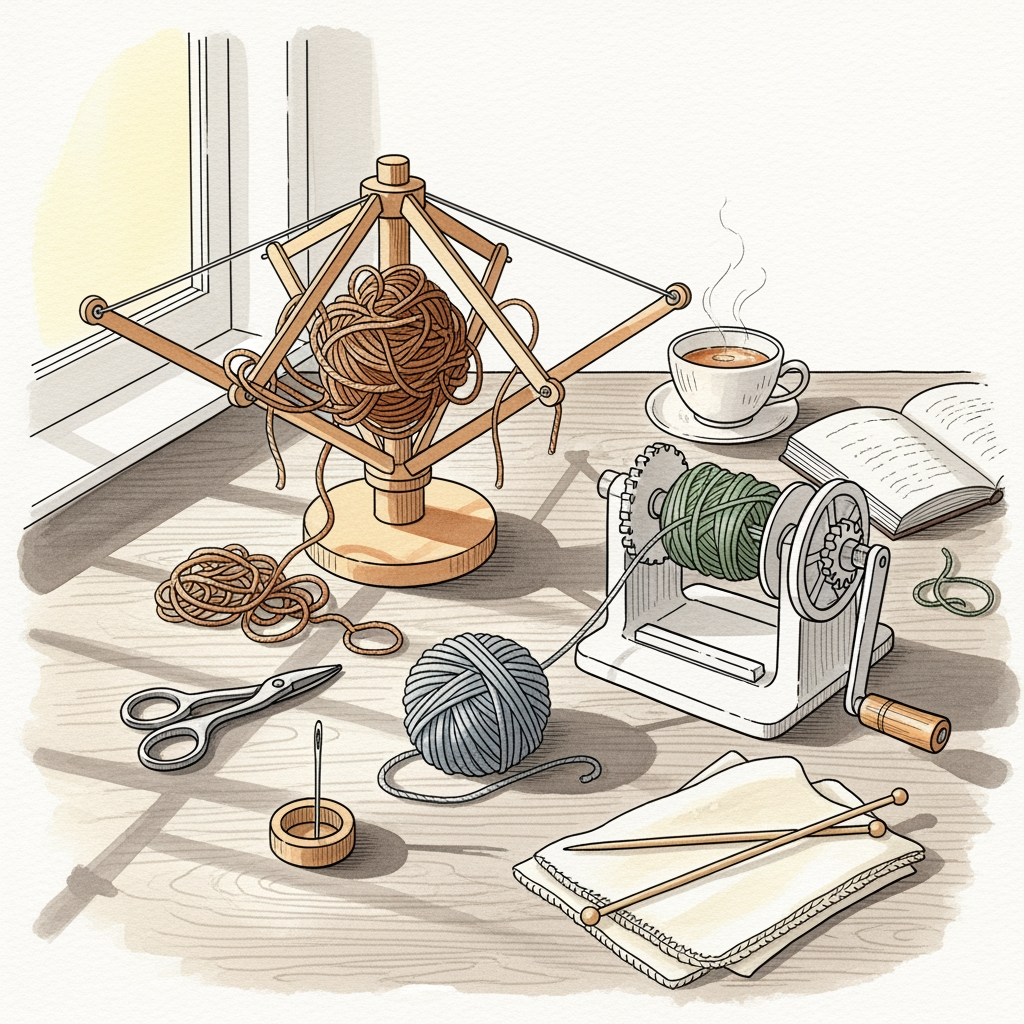
Transforming a tangled, hand-dyed skein into a neat, ready-to-knit yarn cake is one of the most satisfying rituals in a knitter’s studio. While winding by hand over the back of a chair might work in a pinch, a reliable yarn swift is the secret to preventing the dreaded "yarn barf" and preserving the integrity of your fibers. Choosing the right tool depends on your stash size, the delicacy of your yarn, and the amount of space you have on your crafting table. This guide explores the best options on the market to help you streamline your prep work and get straight to the knitting.
Stanwood Needlecraft Tabletop Wood Yarn Swift


This classic wooden swift is a favorite for a reason; its sturdy construction and smooth rotation make it a workhorse for any serious stash. It features a traditional umbrella-style design that collapses easily, which is a massive plus if you are short on dedicated craft room storage.
The metal hardware is robust, meaning you won’t experience the annoying "wobble" that plagues cheaper models when you are winding a heavy, bulky-weight skein. Because it is made of smooth wood, it is gentle on delicate fibers like mohair or single-ply merino, which can snag on plastic edges.
If you frequently wind large quantities of yarn, the stability of this base is worth the investment. It stays planted firmly on your table, allowing you to wind quickly without having to constantly adjust the apparatus.
Amish Style Wooden Yarn Swift by Windy Valley

The Amish-style swift is a brilliant departure from the traditional umbrella design, functioning more like a rotating cross. It doesn’t use tension-based springs, which means there is virtually nothing to snap or wear out over years of heavy use.
These are particularly excellent for those who find the umbrella-style swifts fiddly or difficult to set up. You simply adjust the wooden pegs to fit the circumference of your skein, and the arms glide effortlessly as you pull the yarn.
Because the design is so simple, it is incredibly easy to disassemble and pack away into a project bag. It is a fantastic choice for the minimalist knitter who wants a tool that is built to last a lifetime.
Lacis Wooden Umbrella Swift for Skein Winding

Lacis has a reputation for high-quality, precision tools, and their umbrella swift is no exception. It is designed with a focus on fluid motion, which is critical when working with high-twist yarns that are prone to kinking if the tension is uneven.
The finish on the wood is exceptionally smooth, ensuring that even the most fragile lace-weight silk won’t catch or fray during the winding process. It feels substantial in the hand, signaling a level of craftsmanship that justifies its place on your workstation.
If you are a collector of luxury hand-dyed yarns, this is an investment in your fiber’s safety. It provides the consistent, gentle tension required to keep your yarn in pristine condition before it ever hits your needles.
KnitPicks Yarn Swift: Best Value for Beginners
If you are just starting to build your stash and aren’t ready to invest in heirloom-quality wood, this model is the industry standard for value. It is lightweight, portable, and gets the job done without any unnecessary bells and whistles.
While it is made of lighter materials than the professional-grade options, it is perfectly capable of handling standard worsted or fingering-weight skeins. It’s an ideal "starter" tool that allows you to transition from buying pre-wound balls to buying beautiful, untwisted skeins.
Be mindful that it may require a bit more supervision during use, especially with very large, heavy skeins. However, for the price point, it is an unbeatable entry into the world of proper yarn management.
ChiaoGoo Hand-Operated Yarn Swift and Winder

ChiaoGoo is beloved for their circular needles, and they bring that same attention to detail to their winding tools. This setup is specifically designed to work in tandem, ensuring that the yarn flows from the swift to the winder with perfect, consistent tension.
The synchronization between the two components is where this tool shines. You aren’t fighting the friction of the swift or the speed of the winder; everything moves as one cohesive system.
This is a great choice for knitters who find the manual process of winding to be a chore. By minimizing the time spent in prep, you get to the actual knitting much faster.
Strauch Jumbo Ball Winder and Swift Combo Kit

For the knitter who buys yarn by the pound or works with massive, multi-ply sweaters, a standard winder simply won’t cut it. The Strauch system is the gold standard for high-capacity winding, designed to handle large skeins without constant stopping and starting.
The "Jumbo" capacity means you can wind an entire 400-gram skein into a single, stable cake. This prevents the need for joining multiple balls in the middle of a project, which is a huge advantage when working with complex colorwork or long-row lace.
While this is a significant investment, it is a game-changer for those who maintain a large stash. It turns the tedious task of winding into a quick, professional-grade process.
Nancy’s Knit Knacks Heavy Duty Skein Winder
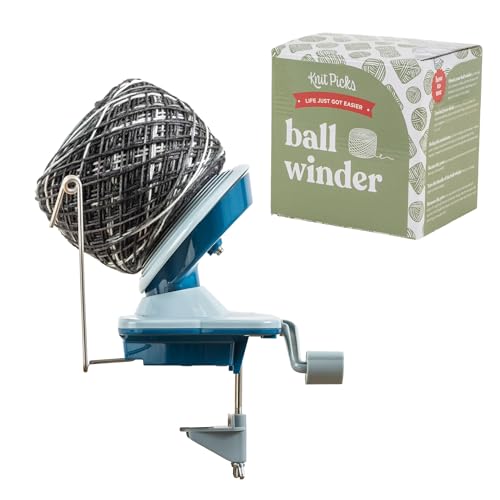
This tool is built for the knitter who demands professional results and durability. It features a heavy-duty construction that can withstand years of daily use, making it a staple in many local yarn shops and professional studios.
The mechanics are incredibly smooth, providing a level of control that allows you to wind even the most difficult, tangled skeins with ease. It is less about "convenience" and more about "precision."
If you are tired of your equipment slipping or failing under the weight of heavy yarn, this is the upgrade you need. It is a tool designed to be passed down through generations of knitters.
Understanding the Mechanics of a Yarn Swift
At its core, a yarn swift is a tension-management system designed to hold a skein in a circle so it can rotate freely as you pull the yarn. Without one, you are relying on your own hands or the back of a chair, both of which introduce uneven tension.
Uneven tension during winding can cause the yarn to stretch or, conversely, become compressed and lose its "bloom." By using a swift, you allow the yarn to come off the skein at the same rate it was originally spun, maintaining the integrity of the fiber.
- Umbrella Swifts: Use a spring-loaded mechanism to expand.
- Amish Swifts: Use a cross-arm rotation.
- Tabletop vs. Floor Models: Depends on your available workspace.
How to Properly Set Up Your Swift and Winder
The most common mistake is placing your swift and winder too close together. You need enough distance—ideally two to three feet—to allow the yarn to travel smoothly without creating a sharp angle that could cause snags.
Always ensure your swift is securely clamped to a flat, stable surface. If the swift wobbles, the yarn will jump, leading to uneven tension and potentially causing the yarn to slip off the arms and tangle.
- Check the Skein: Untwist the skein completely before placing it on the swift.
- Secure the Ends: Find the two ends of the yarn and secure them to the swift arms to prevent the whole thing from collapsing.
- Test the Tension: Start winding slowly to ensure the yarn is feeding smoothly before increasing your speed.
Troubleshooting Common Yarn Tangling Issues
Even with the best tools, you will eventually encounter a "yarn barf" or a stubborn tangle. The key is to stop immediately; pulling harder will only tighten the knot and potentially damage the fiber.
If you find that your yarn is constantly tangling, check the alignment of your swift and winder. They should be positioned so that the yarn travels in a straight, unobstructed line from one to the other.
- Check for Burrs: If the yarn snags, run your fingers along the swift arms to feel for rough spots or splinters.
- Slow Down: High-speed winding is the leading cause of tangles and broken ends.
- Check the Skein: Sometimes a skein is simply wound poorly at the mill; take the time to gently untangle by hand before putting it on the swift.
Investing in a quality yarn swift is one of the most practical upgrades you can make for your knitting practice. By taking the time to properly manage your skeins, you protect your investment in high-quality fibers and ensure your project starts on the right foot. Whether you choose a simple Amish-style cross or a heavy-duty professional winder, your future self will thank you every time you reach for a perfectly wound cake. Happy winding, and may your yarn always flow smoothly from the swift to your needles.