6 Best Swift Handle Replacements For Winders To Try
Upgrade your winding setup with our top six Swift handle picks. Discover durable, ergonomic replacements designed to improve comfort and efficiency for users.
There is nothing more frustrating than mid-winding a precious hand-dyed skein of lace-weight silk, only to have your swift handle snap or wobble under the tension. A swift is the unsung hero of your yarn prep process, and a faulty handle turns a simple task into a mechanical headache. Whether you are a casual hobbyist or a professional dyer, keeping your swift in top working order is non-negotiable. Let’s look at the best replacement options to keep your yarn flowing smoothly.
Stanwood Needlecraft Metal Swift Crank Upgrade


If you own a Stanwood metal tabletop swift, you know it’s a workhorse for winding heavy wool or bulky acrylics. Over time, the plastic housing on the crank can develop hairline fractures, leading to that dreaded "slipping" sensation when you’re winding at top speed.
Upgrading to a dedicated metal replacement crank is the best way to ensure longevity. These metal components eliminate the flex found in standard plastic parts, providing a direct, solid feel that makes winding consistent.
If you find that your swift feels "loose" or makes a clicking sound during rotation, it is likely time to swap out the entire crank assembly. A metal-on-metal connection provides a much tighter tolerance, ensuring your yarn doesn’t snag due to uneven rotation.
Amish Wooden Swift Replacement Handle Options

Amish-style wooden swifts are beloved for their aesthetic appeal and collapsible design, but the wooden pegs and handles can wear down from friction. When the handle knob becomes smooth or loses its grip, you’ll find yourself constantly readjusting your hand to maintain momentum.
Replacing these handles is straightforward, but you must match the wood density to your existing frame. Hardwood replacements—like maple or oak—are superior to soft pine because they won’t compress under the pressure of a tight cake.
Always check the diameter of the handle post before purchasing a replacement. A handle that is too loose will wiggle, causing the swift to wobble and potentially throwing your tension off while you wind.
Lacis Yarn Swift Crank and Hardware Replacements

Lacis tools are built with a specific mechanical geometry that favors precision and smooth, quiet operation. If the handle on your Lacis swift has seized or become gritty, it’s usually due to dust buildup in the internal bearings rather than the handle itself.
When sourcing parts for these, look for hardware kits that include nylon washers or bushings. These small, often overlooked pieces are the secret to that "buttery" spin that makes winding a 100g skein of superwash merino feel effortless.
Don’t try to force a generic hardware store bolt into a Lacis swift. The thread pitch is often proprietary, and using the wrong hardware can strip the internal threading of your swift’s main arm.
Strauch Fiber Equipment Swift Handle Assemblies
Strauch equipment is the gold standard for heavy-duty fiber processing, and their swift handles are designed for high-volume use. If you are winding large quantities of fiber for weaving or multi-strand garments, you need the ergonomic grip these assemblies provide.
These handles are typically larger and better balanced than standard retail swifts. This extra weight acts as a flywheel, helping you maintain a steady, even pace that prevents the sudden jerks that can snap a delicate single-ply yarn.
Investing in a high-end assembly pays off if you wind yarn daily. The ergonomic design reduces wrist fatigue, which is a major factor if you are prepping yarn for a large-scale project like a heavy cabled sweater.
Ashford Swift Replacement Crank and Knob Parts
Ashford swifts are iconic for their simple, functional design, often utilizing a classic wooden knob on a metal or wooden arm. Because these parts are modular, they are incredibly easy to repair without needing a toolkit.
If your knob has cracked, look for a replacement that matches the original thread size exactly. Ashford parts are widely available, which makes them a safer bet for long-term maintenance compared to off-brand swifts.
A common mistake is overtightening the knob during installation. Finger-tight is sufficient; if you over-torque the bolt, you risk cracking the wood or bending the mounting bracket.
KnitPal Swift Handle and Tensioning Repair Kits
KnitPal and similar modern swift manufacturers often integrate tensioning systems directly into the handle assembly. These kits are excellent because they don’t just replace the handle; they often include the tension springs that keep the swift from spinning out of control.
If your swift "runs away" when you stop winding, it’s not the handle’s fault—it’s the tensioning. A repair kit that addresses both the handle grip and the internal friction washer will solve this problem instantly.
Always look for kits that include a variety of washers. Different yarn weights, from gossamer lace to chunky weight, require different levels of drag to prevent the swift from over-spinning.
How to Measure Your Swift for Handle Compatibility
Before you buy any part, you need to be a bit of a detective. Start by measuring the diameter of the existing mounting hole with a set of digital calipers; even a millimeter of difference will lead to a wobbly, frustrating experience.
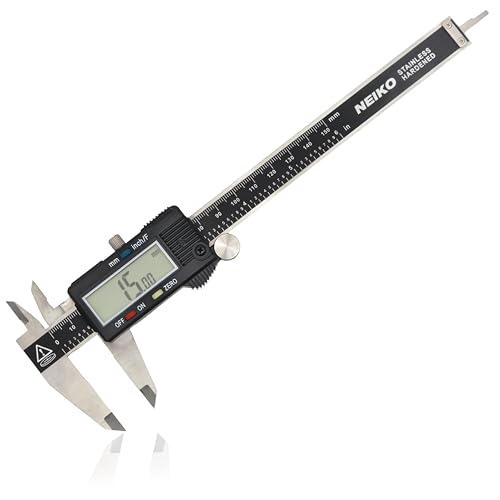
- Measure the shaft length to ensure the handle won’t rub against the swift arm.
- Check the thread type—is it metric (common in European swifts) or imperial (common in many US-made models)?
- Assess the mounting style: does it use a bolt, a screw, or a press-fit pin?
If you aren’t sure, take a photo of the connection point from multiple angles. Most sellers of specialized fiber tools are happy to help you identify the correct part if you provide a clear image and the model name.
Materials Guide: Metal vs Wood Replacement Knobs
Choosing between metal and wood comes down to your personal tactile preference and the environment in which you wind. Metal handles are indestructible and offer a sleek, modern feel, but they can feel cold and slick if your hands are dry.
Wooden handles offer a more natural, grippy texture that feels secure even if you’ve been working with lanolin-rich wool. However, wood can splinter or swell if your winding area is humid, which is a consideration if you live in a damp climate.
Bottom line: If you wind for hours at a time, go with wood for the comfort. If you want a "set it and forget it" solution that will last a lifetime, go with metal.
Maintenance Tips for Smooth Swift Yarn Winding
A swift is a mechanical device, and it needs occasional love. Once a month, check all screws and bolts for tightness, as the vibration from winding can cause them to loosen over time.
If you have a metal swift, a tiny drop of sewing machine oil on the central pivot point will do wonders for the spin quality. Avoid using thick greases, as these attract dust and lint, which will eventually clog the mechanism and make it feel sluggish.
- Keep the swift clean of dust and fiber debris.
- Store it in a dry place to prevent the wood from warping.
- Cover it when not in use to keep the bearings free of grit.
Troubleshooting Common Swift Handle Connection Issues
The most common issue is a handle that keeps unscrewing itself while you work. This is usually due to the rotation direction of the swift; if you wind clockwise, the handle should be installed so that the motion tightens the bolt rather than loosening it.
If your handle is stripped, you can sometimes use a bit of plumber’s tape on the threads to create a temporary, snug fit. However, this is only a stopgap; if the threads are gone, the handle will eventually fail again.
Don’t ignore a squeak. A squeaky handle is a sign of friction, and friction is the enemy of smooth yarn transition. If you hear noise, stop winding, clean the joint, and re-lubricate it before you risk snapping your yarn.
Maintaining your swift is just as important as choosing the right needles for your project. A well-functioning handle ensures that your yarn remains untangled and that your winding experience is relaxing rather than stressful. By selecting the right replacement parts and keeping your tool clean, you ensure that every skein you wind is ready for the needles. Happy winding, and may your yarn always flow freely.