7 Best Citric Acid Powders For Setting Acid Dyes
Discover the 7 best citric acid powders for setting acid dyes. Learn which high-purity options ensure vibrant, long-lasting color results for your projects.
Achieving vibrant, wash-fast colors on wool and silk requires more than just high-quality dyes; it demands a reliable acid source to bond the pigment to the protein fiber. As a knitter who has spent two decades experimenting with hand-dyed yarns, I know that the consistency of your mordant can make or break a project. Choosing the right citric acid powder ensures your color stays locked in even after repeated blocking and wear. Below are the top choices to help you master the chemistry of your fiber arts studio.
Milliard Citric Acid: The Best Bulk Choice
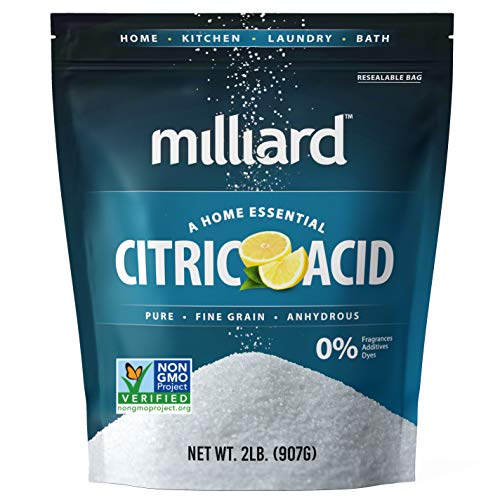

If you are planning to dye enough yarn for a full-sized sweater or a series of matching shawls, you need a reliable, high-volume source of citric acid. Milliard is a staple in many dye studios because it comes in large, cost-effective quantities that don’t compromise on purity.
When you are working with multiple skeins of luxury wool, the last thing you want is an impure additive interfering with the dye uptake. This bulk option is consistently clean, ensuring that your color saturation remains uniform across every inch of your yarn.
The trade-off here is the sheer size of the container, which can be cumbersome if your workspace is limited. However, for the serious dyer, this is the most economical way to keep your dye baths consistent over long-term projects.
Hoosier Hill Farm Pure Citric Acid Powder

Hoosier Hill Farm offers a fine-grain powder that dissolves almost instantly in warm water. For knitters who prefer the "dip-dye" method or hand-painting their own gradients, this rapid dissolution is a massive time-saver.
Because the powder is so fine, you avoid the frustration of undissolved crystals settling at the bottom of your dye pot. Those rogue crystals can sometimes cause "specking," where a concentrated spot of acid creates a darker, unintended blotch on your yarn.
If you are sensitive to dust, be mindful when pouring this product, as the fine texture can become airborne easily. Use a dedicated scoop to keep your measurements precise and your workspace tidy.
Anthony’s Premium Citric Acid for Dyeing
Anthony’s is widely respected for its rigorous quality control, which is essential when you are investing in expensive hand-dyed fibers. It is a non-GMO, gluten-free option that provides a very neutral base for your acid dyes.
I find that this brand works particularly well when I am working with delicate lace-weight fibers that are prone to felting if handled too aggressively. Because it is so pure, it doesn’t leave behind any chemical residues that might alter the final "hand" or softness of the yarn.
The packaging is resealable and robust, which helps prevent moisture from clumping the powder over time. It is a dependable, mid-range choice that balances professional-grade purity with household convenience.
Starwest Botanicals Food Grade Citric Acid

Starwest Botanicals brings a level of herbal-industry rigor to their citric acid, which translates well to the fiber arts. This is an excellent choice if you are concerned about the environmental impact of your dye process.
The purity of this product is high, meaning you don’t have to worry about additives affecting the pH of your dye bath. If your pH is off, you might find that your blues turn muddy or your reds lack that signature "pop" you’d expect from a high-quality dye.
Because it is food grade, it is generally safer to have in a home environment where pets or children might be present. Always store it in a cool, dry place to prevent the powder from hardening into a solid brick.
Judee’s Gluten-Free Citric Acid Crystals
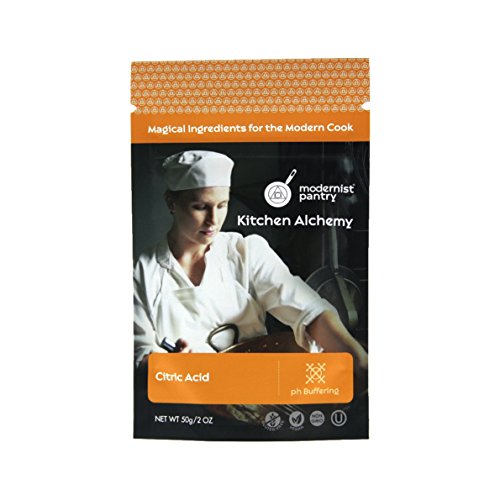
Judee’s uses a crystal structure rather than a fine powder, which offers a different experience for the dyer. These crystals are incredibly stable and have a long shelf life, making them perfect for knitters who dye in batches only a few times a year.
The larger crystal size means it takes a few seconds longer to dissolve, so be sure to stir your dye bath thoroughly before adding your yarn. This slight delay is a small price to pay for a product that doesn’t clump or cake in the bag.
This is a fantastic option for beginners who might be intimidated by the "dustiness" of finer powders. It is easy to measure and store, providing a stress-free entry into the world of home dyeing.
Sky Organics Non-GMO Citric Acid Powder

Sky Organics markets this product with an emphasis on natural sourcing, which appeals to many knitters who prefer eco-conscious materials. It is a high-quality, clean-burning acid that works perfectly with standard acid dyes like Lanaset or Jacquard.
The consistency is smooth and reliable, allowing for predictable results when you are trying to replicate a specific colorway. If you are a knitter who likes to keep detailed notes on your dye recipes, you will appreciate how this product performs batch after batch.
Be aware that the packaging is designed for consumer use, so it may not be as heavy-duty as bulk industrial bags. Keep it in a secondary airtight container if you live in a humid climate to ensure the powder stays free-flowing.
BulkSupplements Citric Acid Pure Crystals

When you need to buy in extreme bulk, BulkSupplements is the go-to for many professional indie dyers. This is a no-frills, highly concentrated product that is stripped of all unnecessary packaging and branding.
Because it is sold in such large volumes, the price-per-ounce is incredibly competitive. It is the perfect choice for the knitter who has graduated from dyeing single skeins to producing full collections for craft fairs or online shops.
The trade-off is that it often arrives in a plain foil bag that isn’t always the easiest to pour from. I recommend transferring your supply into a glass jar with a wide mouth to make scooping easier and to keep your measurements accurate.
Why Citric Acid Is Essential for Acid Dyes
Acid dyes are misnamed; they aren’t acidic themselves, but they require an acidic environment to bond to the protein molecules in wool, alpaca, or silk. Without citric acid, the dye molecules will simply wash away when you rinse the yarn.
Think of citric acid as the "bridge" that forces the dye to stick to the fiber. If you don’t use enough, your colors will be pale and prone to bleeding, which is a tragedy after you’ve spent hours knitting a complex lace shawl.
- Wool/Protein Fibers: Require a low pH to open the fiber cuticle.
- Color Fastness: Ensures your finished sweater doesn’t bleed when blocked.
- Saturation: Allows for deep, rich colors rather than weak, pastel washes.
How to Properly Dissolve Acid for Fiber Dyeing
Never dump dry citric acid directly onto your yarn, as this will lead to uneven color distribution and potential damage to the fiber. Always dissolve your powder in a small container of hot water first to create a "stock solution."
Once the powder is completely clear and dissolved, slowly add this solution to your dye pot. This ensures that the pH level is uniform throughout the water before the yarn ever touches the bath.
- Step 1: Measure the required amount of powder.
- Step 2: Mix with warm water until no crystals remain.
- Step 3: Gradually stir into the dye bath.
- Step 4: Check the water clarity; if it’s still cloudy, you haven’t used enough acid.
Safety Tips for Handling Dyes and Acid Powders
Even though citric acid is food-grade, it is still a concentrated chemical that can irritate your eyes and respiratory system. Always work in a well-ventilated area and consider wearing a basic dust mask when measuring out your powder.
Dyes are even more potent, so keep your "dyeing" tools strictly separate from your "kitchen" tools. Label your measuring cups, spoons, and pots clearly so they never accidentally end up in your morning coffee or dinner prep.
Finally, always wear gloves when handling wet, dyed yarn to prevent staining your skin. By treating your workspace with respect, you ensure that your knitting journey remains both creative and safe for years to come.
Mastering the use of citric acid is a fundamental skill that transforms you from a knitter who buys yarn into a textile artist who creates it. Whether you choose a bulk crystal or a fine powder, the goal remains the same: locking in beautiful, lasting color for your next masterpiece. Start with a small batch, keep careful notes, and enjoy the magical science of turning raw fiber into your own custom palette.