6 Best Blocking Clips For Tension Control To Try
Master tension control with these 6 top-rated blocking clips. Discover how these essential tools ensure precision and consistency in your knitting projects.
Blocking is the quiet, transformative magic that turns a pile of loops into a professional-grade garment. Without the right tension control, your hard work can look uneven, lumpy, or distorted after the first wash. Choosing the right clips or pins is the difference between a project that looks handmade and one that looks truly bespoke. These tools are the foundation of your final presentation, ensuring your stitches sit exactly where they belong.
Knitter’s Pride Knit Blockers: The Best Overall


These are the industry standard for a reason. By combining multiple pins into a single plastic bar, they allow you to secure long, straight edges in seconds rather than minutes.
If you are blocking a large shawl or a sweater panel, these save your hands from the repetitive strain of placing dozens of individual pins. The consistent spacing ensures that tension is distributed evenly across the entire edge of your fabric.
The tradeoff here is bulk. Because the bars are rigid, they aren’t ideal for tight curves or intricate, circular lace motifs where you need to manipulate individual stitches.
Clover Blocking Combs: Best for Precision Edges
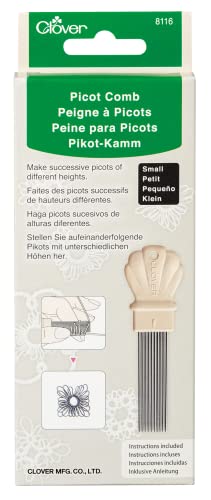
Clover’s approach uses a similar bar concept but with finer, sharper pins that are spaced more closely together. This makes them perfect for knitters who prioritize detail and stitch definition.
When you are working with fine lace or delicate fingering-weight wool, the thinner pin profile avoids distorting the individual yarn plies. They grip the blocking mat securely, preventing the "pin-pop" that often happens when you have too much tension on a single point.
Keep in mind that these are strictly for flat blocking. If you try to force them into a curved shape, the rigid plastic base will fight you, potentially causing the fabric to pucker.
Cocoknits Blocking Pins: Best for Delicate Lace

These stainless steel pins are the gold standard for projects that require a light touch. They are rust-resistant and feature a smooth finish that won’t snag even the most fragile silk or mohair blends.
The T-shape design is a game-changer for lace knitters. It allows you to anchor the pin deeply into your mat while the head stays flat against the fabric, ensuring your lace points stay crisp and sharp.
Because they are individual pins, they require more patience to install. However, the control they offer for complex, organic shapes is unmatched by any bar-style tool.
Boye Blocking Board Pins: Best Budget Option

Sometimes you don’t need a fancy system to get the job done. These classic, inexpensive pins are widely available and get the job done without any unnecessary bells and whistles.
They are essentially heavy-duty sewing pins with a T-bar head. For a beginner just starting to build their toolkit, these are the most accessible way to learn the mechanics of tension and shape.
The downside is that they are often made of lighter-weight metal that can bend over time. If you are blocking heavy wool sweaters, you may find yourself replacing them sooner than you would a premium set.
HiyaHiya Stainless Steel Pins: Best Durability
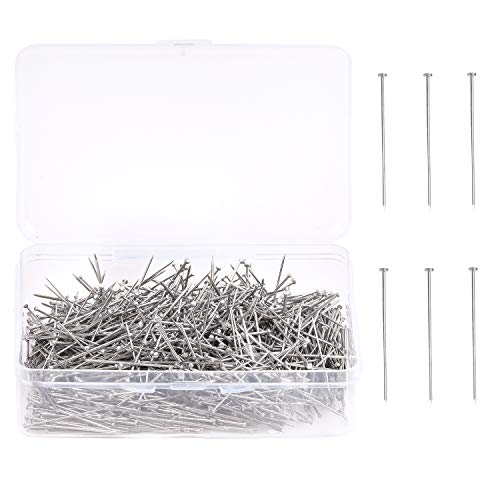
If you are a prolific knitter who blocks projects every single week, you need tools that won’t corrode or snap. HiyaHiya’s stainless steel pins are built for the long haul.
Their strength is particularly useful when blocking heavy, water-logged wools that exert a lot of pull on the pins. They won’t bend under the weight of a damp aran-weight cable sweater, maintaining the exact shape you set.
They are a bit of an investment, but they are a "buy it once" tool. For the knitter who values longevity over short-term savings, these are a reliable workhorse.
Ashford Wool Needle Clips: Best for Heavy Knits

These clips are designed with a different philosophy, often used in conjunction with rods or heavier matting systems. They excel at anchoring thick, bulky yarns that would simply slide off a standard, thin pin.
If you are working with thick, rustic wools or hand-spun yarns, you need a tool that can "bite" into the fiber without damaging it. These clips provide a wider surface area, which helps prevent the pin from tearing through the fabric under high tension.
They are less precise for lace, but for heavy blankets or thick garments, they are essential. Using the wrong tool for heavy yarn usually leads to uneven edges and sagging.
How Blocking Clips Improve Your Finished Projects
Blocking is not just about stretching; it is about evening out the tension that naturally occurs during the knitting process. Even the most experienced knitters have slight variations in their gauge from row to row.
By using clips to hold your project to a specific measurement, you force the yarn to relax into a uniform state. This is especially vital for colorwork, where floats can pull the fabric tight and cause the pattern to look distorted.
When you release the clips after the project has dried, the stitches "set" in their new, uniform positions. This process creates the professional drape and stitch clarity that separates a hobbyist’s work from a retail garment.
Choosing the Right Pins for Different Fiber Types
Fiber choice dictates your blocking strategy. Protein fibers like wool, alpaca, and silk respond beautifully to moisture and tension, while plant fibers like cotton and linen require a much firmer hold.
- Wool/Animal Fibers: Use stainless steel pins to prevent rust, as these fibers hold moisture for a long time.
- Plant Fibers (Cotton/Linen): These fibers have little elasticity and need to be pinned aggressively to maintain shape.
- Synthetics: These often require steam or heat to "set" the shape, so ensure your pins are heat-resistant.
Always consider the weight of the yarn when choosing your pin thickness. A thin pin in a heavy, wet wool blanket will simply act like a knife and leave a hole in your fabric.
Essential Tips for Perfect Tension Every Time
Always start by measuring your project before you pin it. Use a tape measure to ensure your edges are parallel and your corners are square, rather than relying on your eye.
When pinning, work from the center outward. This prevents the fabric from bunching up in the middle and ensures that any excess ease is distributed evenly across the entire piece.
Don’t over-stretch your work. If you see the stitches distorting or the yarn thinning out, you have pulled too far; let it relax until the stitch pattern looks natural and undisturbed.
Common Mistakes to Avoid When Blocking Knits
The most common mistake is pinning too sparingly. If you leave large gaps between your pins, the fabric will sag between them, creating a wavy edge instead of a straight one.
Another frequent error is failing to use rust-proof pins. Nothing is more heartbreaking than finishing a beautiful, light-colored lace shawl, only to find permanent rust spots on the fabric after it dries.
Finally, avoid blocking your work in direct sunlight or near a heat source. Rapid drying can cause the fibers to become brittle or lose their natural bounce, leaving your hard-earned work feeling stiff and lifeless.
Mastering the art of blocking is the final, crucial step in your knitting journey. By investing in the right pins and clips for your specific project, you ensure that your stitches remain as beautiful as the day you cast them on. Take the time to experiment with these tools, and you will see your finished objects reach a new level of professional polish. Happy knitting, and may your edges always be perfectly straight.