6 Best Yarn Labels For Yardage Calculations To Use
Mastering yardage is vital for any knitter. Explore our top 6 yarn label picks that simplify complex calculations, ensuring your projects never run short.
Calculating yardage correctly is the difference between finishing your dream sweater and playing a frantic game of yarn chicken. Every knitter eventually learns that a label is more than just a marketing piece; it is a technical blueprint for your project’s success. Understanding these metrics prevents the heartbreak of running out of yarn mid-sleeve. These six yarns provide the most reliable data to help you master your stash and your next project.
Malabrigo Rios: Best for Versatile Yardage Accuracy
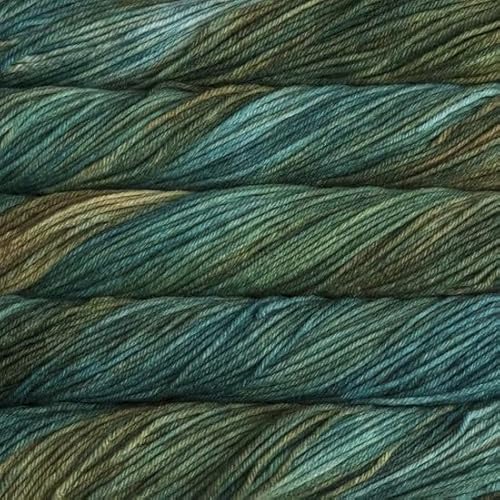

Malabrigo Rios is a workhorse that rarely surprises a knitter with unexpected yardage shortages. Because it is a plied, superwash merino, it maintains a consistent diameter throughout the skein, which makes its 210-yard count highly dependable.
When you are planning a cabled garment, that consistency is vital. Cables consume significantly more yarn than stockinette, and having a reliable baseline yardage allows you to calculate your "cabling tax" with confidence.
However, keep in mind that superwash wools can grow when blocked. Always swatch a large square and wash it before you calculate your total yardage needs for a full sweater.
Cascade 220: Reliable Standards for Project Planning
Cascade 220 is the industry standard for a reason, offering a predictable 220 yards per 100-gram skein. It serves as the benchmark against which almost every other worsted-weight yarn is measured in knitting patterns.
If you are a beginner, starting with this yarn removes the guesswork from your first big project. You can trust that if a pattern calls for 1,000 yards, five skeins will get you to the finish line with a safe buffer.
Be aware that the non-superwash nature of this wool means it has a bit of "grab." While this makes it excellent for colorwork, it also means your tension might tighten up over long knitting sessions, potentially using slightly more yarn than expected.
Brooklyn Tweed Loft: Precision for Woolen Spun Yarns
Brooklyn Tweed Loft is a masterclass in woolen-spun construction, where air is trapped within the fiber to create a lightweight, lofty yarn. Because it is so airy, you get an impressive 275 yards per 50-gram skein, which is a massive help for large-scale lace projects.
Woolen-spun yarns are notoriously tricky because they can vary in thickness. Despite this, the label metrics remain surprisingly accurate, allowing you to estimate yardage for delicate shawls without needing to buy an extra ball "just in case."
The trade-off here is fragility; this yarn is not meant for high-friction areas like socks. Use the extra yardage for expansive, airy designs rather than heavy-duty garments.
Rowan Felted Tweed: Consistency in Yardage Estimates

Rowan Felted Tweed is a unique blend of wool, alpaca, and viscose that behaves predictably despite its complex fiber content. It provides 191 yards per 50 grams, a metric that has remained steady for decades, making it a favorite for stranded colorwork.
Because this yarn is so light, it is perfect for colorwork sweaters that won’t weigh you down. You can calculate your color-by-color yardage requirements with high precision using the standard 50-gram ball weight.
Don’t be fooled by the "felted" name; it’s not pre-felted, but it does bloom beautifully after a soak. Always account for that slight bloom when planning your edge finishes.
Manos del Uruguay Maxima: Luxury with Clear Metrics

Manos del Uruguay Maxima offers a single-ply, hand-dyed luxury that doesn’t sacrifice technical clarity. With 219 yards per 100 grams, it sits firmly in the worsted category, providing a reliable yardage count for those who want a premium feel.
Single-ply yarns are prone to pilling, so you must factor this into your yardage planning. You may want to knit at a slightly tighter gauge to improve durability, which will ultimately require a bit more yarn than the pattern suggests.
When working with hand-dyed yarns, always buy your total yardage at once. Dye lots vary wildly, and you don’t want to be short on a specific colorway halfway through a yoke.
KnitPicks Wool of the Andes: Budget Friendly Accuracy
KnitPicks Wool of the Andes is the go-to for knitters who need to track yardage on a budget without compromising on quality. At 110 yards per 50 grams, it provides a simple, easy-to-calculate metric for any project size.
Because it is a standard highland wool, it is incredibly consistent in its twist and ply. This makes it an ideal choice for learning how to calculate yardage for complex patterns, as the yarn won’t throw you any curveballs.
It is a sturdier, more rustic wool than the others on this list. It is perfect for garments that need structure, but be prepared for a slightly firmer fabric than you might get with a merino blend.
How to Calculate Yardage Requirements for Patterns
To calculate yardage accurately, never rely solely on the pattern’s estimate. Calculate the surface area of your intended garment and compare it to your swatch.
- Measure your swatch: Weigh your finished, blocked swatch on a kitchen scale.
- Determine weight per square inch: Divide the weight of the swatch by the number of square inches it covers.
- Extrapolate: Multiply that weight by the total square inches of your planned garment.
Always add a 10% buffer to your final number. This accounts for swatching, long tails for seaming, and the occasional mistake that requires ripping back.
Decoding Yarn Label Symbols and Gauge Information
Yarn labels are packed with symbols that dictate your yardage needs. Look for the "yarn weight" icon, usually a ball of yarn with a number inside, which helps you align the yarn with the pattern’s suggested weight.
The gauge information—usually a square showing stitches and rows—is your best friend for yardage. If your gauge is looser than the label suggests, you will use more yarn; if it is tighter, you will use less.
Don’t ignore the care instructions on the label. A yarn that requires hand washing might be more delicate, meaning you shouldn’t stretch it to its limit during blocking, which affects your final yardage consumption.
Why Fiber Content Affects Your Total Yardage Needs
Fiber density changes how much yarn you actually need to fill a specific space. Alpaca, for example, is much heavier than wool and will "drape" out, often requiring more yardage to achieve the same coverage as a lighter, loftier wool.
- Wool: Elastic and holds its shape, making yardage estimates very reliable.
- Plant fibers (Cotton/Linen): Non-elastic and heavy; they tend to "grow" and can result in needing more yardage for the same size garment.
- Synthetics: Often lighter in weight but can be slippery; they may require slightly different tension, affecting your total yardage usage.
Always consider the "memory" of the fiber. If the fiber doesn’t bounce back, you might need to knit a smaller size to compensate for the eventual stretch, which alters your yardage requirement.
Tips for Managing Leftover Yarn After Your Project
Leftover yarn is a badge of honor for a prepared knitter. If you have a significant amount left, consider integrating it into a matching accessory like a hat or a pair of fingerless mitts.
If you have small amounts, save them for decorative elements. Duplicate stitch, pom-poms, or even small stripes in future projects are excellent ways to use up those final few yards.
Finally, keep a "stash log" where you record the remaining yardage of every project. Knowing exactly what you have on hand makes starting your next project much faster and more accurate.
Mastering your yarn labels is a fundamental skill that transforms knitting from a guessing game into a precise craft. By understanding the relationship between fiber, gauge, and construction, you gain the freedom to modify patterns with confidence. Treat your yarn labels as the technical documents they are, and you will never run short of supplies again. Happy knitting, and may your stash always be perfectly calculated.