6 Best Lightweight Wrist Wraps For Lace Work
Explore the 6 best lightweight wrist wraps for lace work. Discover breathable, ergonomic designs that offer essential support without sacrificing dexterity.
Intricate lace work requires a level of precision and repetitive tension that can take a toll on even the most seasoned knitter’s wrists. When you are navigating complex charts and manipulating fine-gauge yarn for hours, your joints need consistent, low-profile support. These six lightweight wrist wraps are designed to keep you knitting comfortably without compromising your dexterity. Finding the right balance between compression and freedom of movement is the secret to finishing that heirloom shawl without pain.
Copper Compression Arthritis Gloves: Best Overall


These gloves stand out because they offer a balanced compression that feels almost like a second skin. When you are working with lace-weight silk or mohair, you need to maintain a delicate touch, and the thin fabric here won’t interfere with your yarn tension.
The infusion of copper is often debated, but the real benefit lies in the consistent, mild pressure they provide. This helps reduce the swelling that inevitably occurs after a long evening of working through complex lace charts.
They are particularly effective for those who find that their hands get cold while knitting. The material is breathable enough to wear under your favorite project bag, making them a reliable staple for your knitting kit.
Vive Arthritis Gloves for Lace Knitting Support

If you struggle with stiffness in your knuckles while managing multiple yarn-overs, the Vive gloves offer a slightly more structured approach. They provide open-finger tips, which are essential for maintaining the tactile feedback needed to pick up dropped stitches or fix a lace error.
The design focuses on stability without being bulky. You won’t feel like you’re wearing a heavy cast, which is vital when you need to manipulate thin needles and slippery fibers like alpaca or merino.
Keep in mind that sizing is critical here. If they are too tight, they will restrict blood flow, which is the exact opposite of what you want during a marathon knitting session.
ComfyBrace Wrist Support for Long Lace Sessions

When you are deep into a project that requires a "death grip" on your needles, the ComfyBrace provides the extra rigidity needed to prevent over-extension. It is slightly more substantial than a standard compression sleeve, making it ideal for when your wrists are already feeling fatigued.
The adjustable straps allow you to customize the level of support based on the complexity of the lace pattern. You can loosen them for simple stockinette sections and tighten them up when you reach the intricate, stitch-heavy lace repeats.
While they offer great support, they do have a larger footprint on the hand. You might find them slightly obstructive if you are using very short circular needles, so test your hand placement before committing to a long session.
Dr. Arthritis Doctor-Developed Wrist Wraps
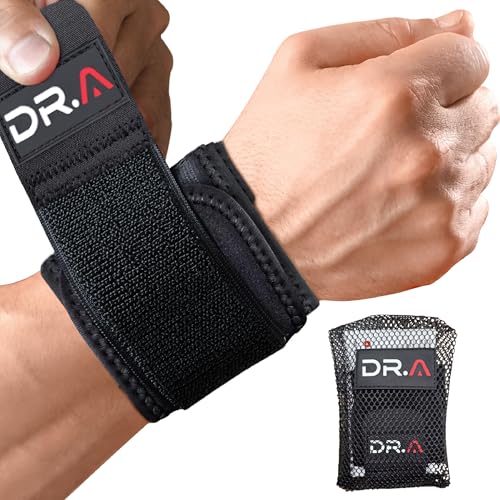
These wraps are engineered with a focus on medical-grade compression, which is excellent for knitters who suffer from chronic inflammation. They provide a firm, reliable hug around the wrist joint, which helps maintain proper alignment while you work.
The material is surprisingly thin, allowing you to wear them under a sweater sleeve without creating bulk. This is a huge advantage if you knit in public spaces or at knitting groups where you don’t want to explain your gear.
Because they are developed with clinical input, they excel at targeting the specific pressure points that flare up during repetitive motion. They are a solid choice for knitters who prioritize long-term joint health over minimalist aesthetics.
BraceUP Wrist Support for Lightweight Comfort

The BraceUP system is all about discretion and ease of use. It is one of the lightest options available, making it perfect for knitters who find traditional braces too hot or restrictive during the summer months.
The wrap-around design means you can slide it on and off in seconds without tangling your yarn. This is a small but significant detail when you are in the middle of a complex lace row and need to adjust your support quickly.
It provides just enough compression to remind you to keep your wrists neutral. It won’t force your hand into a position, but it acts as a gentle guide to prevent the "dropped wrist" syndrome that often leads to pain.
Feeke Compression Gloves for Delicate Knitting
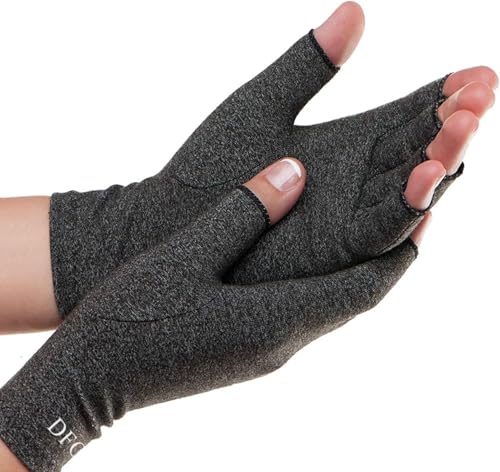
Feeke gloves are designed for those who need maximum finger mobility. If your lace work involves complex cable-lace combinations or intricate bobbles, these gloves won’t get in your way.
The fabric is soft and moisture-wicking, which is a must-have if your hands tend to sweat while you’re concentrating on a difficult chart. Dry hands lead to better yarn control and fewer split stitches.
They offer a moderate compression level that is perfect for daily, long-term use. They are less about heavy-duty bracing and more about maintaining circulation and reducing minor aches during extended knitting time.
Why Wrist Support Matters for Intricate Lace Work
Lace knitting is a high-repetition sport. Each stitch involves a series of subtle movements—yarn-overs, k2togs, and ssk—that put significant strain on the tendons in your wrist.
Without support, these repetitive motions can lead to micro-trauma in the soft tissue. By using a lightweight wrap, you provide a layer of stability that helps distribute the load more evenly across your forearm muscles.
Think of it like wearing proper shoes for a long hike. You don’t need a heavy hiking boot for a walk in the park, but you wouldn’t head into the mountains in flip-flops; treat your wrists with the same respect.
Choosing the Right Compression Level for Knitting
Compression is not a one-size-fits-all solution. For delicate lace work, you want enough compression to stabilize the joint, but not so much that it limits your fine motor control.
- Light Compression: Best for preventative care and long, low-stress knitting sessions.
- Moderate Compression: Ideal if you are already experiencing minor aches or working on projects that require heavy tension.
- Firm/Medical Compression: Reserved for those recovering from injury or dealing with chronic, acute pain.
Always start with a lighter compression if you are new to wearing braces. You can always tighten them, but a brace that is too restrictive from the start will only lead to frustration and poor knitting technique.
Ergonomic Tips to Prevent Knitting-Related Pain
Your wrist wraps are only one part of the equation. Even the best support won’t save you if your posture is poor or your needles are poorly suited to your grip.
- Take regular breaks: Follow the 20-20-20 rule—every 20 minutes, look away from your work and stretch your fingers.
- Check your needle material: If you find yourself gripping too hard, switch to a wood or bamboo needle to add a bit of natural "grip," which allows you to loosen your hold.
- Adjust your seating: Ensure your elbows are supported at a 90-degree angle to keep your shoulders relaxed.
Remember that tension in your shoulders often travels down to your wrists. If you feel your neck tightening up, stop and do a quick shoulder roll before picking up your needles again.
How to Care for Your Wrist Wraps and Braces
Since you’ll be wearing these while handling fine fibers, keeping them clean is essential to prevent snagging your yarn. Most compression gloves should be hand-washed in cool water with a gentle detergent.
Avoid using harsh fabric softeners, as these can leave a residue on the fabric that might transfer to your yarn. Lay them flat to dry, away from direct heat sources, to maintain the elasticity of the spandex or rubber components.
If you notice the fabric starting to pill or lose its "snap," it’s time to replace them. Worn-out braces provide uneven support, which can actually do more harm than good over time.
Investing in your physical health is just as important as investing in high-quality wool or handcrafted needles. By choosing the right lightweight wrist wrap, you are protecting your ability to knit for years to come. Listen to your body, adjust your gear as needed, and keep those needles clicking through your next lace masterpiece. Happy knitting!