6 Best Plastic Clips For Securing Edges To Use
Discover the 6 best plastic clips for securing edges. This guide evaluates durability and grip strength to help you choose the ideal tool for your projects.
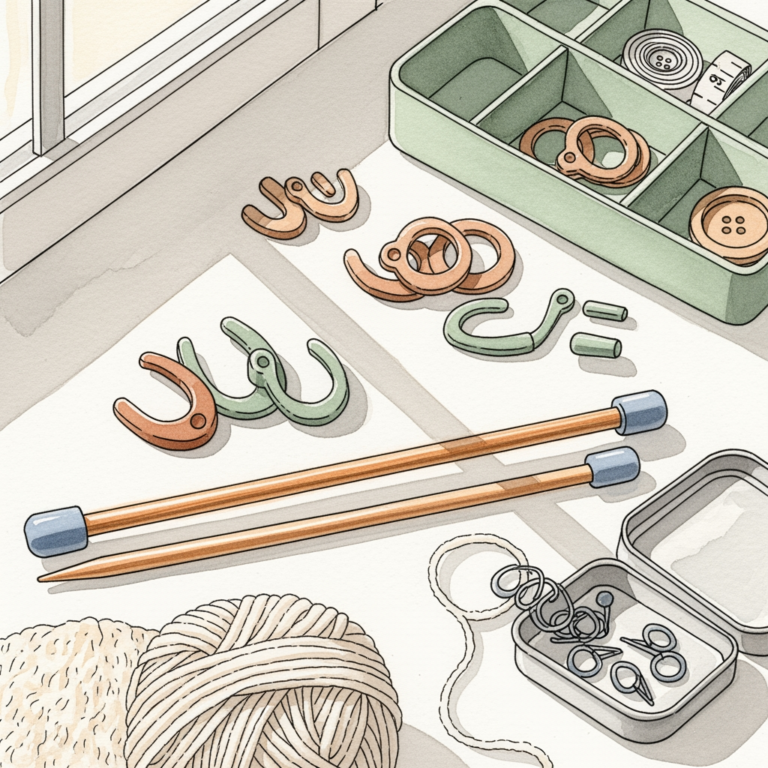
Every knitter has faced the frustration of a dropped stitch or a curling edge mid-project. Securing your work properly is the difference between a relaxing evening of knitting and a frantic rescue mission. These six plastic clips are essential tools that save time, protect your delicate fibers, and keep your tension consistent. Selecting the right one depends on your specific project needs and the type of yarn resting on your needles.
Clover Knitting Point Protectors: Best Overall


These classic, tulip-shaped protectors are a staple in almost every experienced knitter’s notions bag. Their design is deceptively simple, yet they offer a secure, snug fit that prevents stitches from sliding off your needles during transport.
Because they are made from a soft, pliable plastic, they accommodate a wide range of needle sizes without stretching or cracking. This versatility makes them perfect if you frequently switch between different needle materials like carbon fiber or wood.
The bottom line is that they strike the perfect balance between grip and ease of removal. If you need a reliable, "set it and forget it" solution for your needle tips, these are the gold standard.
Susan Bates Knit Chek Stitch Markers and Clips

The Susan Bates system is more than just a clip; it is a multi-functional tool designed to solve several problems at once. These are particularly useful for beginners who are still learning to identify their stitch count and needle size.
Beyond securing edges, these clips often feature integrated sizing gauges, which are vital for those of us who tend to lose our needle labels. Having a tool that measures your needle diameter while also marking your place in a lace repeat is incredibly efficient.
However, they can be slightly bulkier than dedicated point protectors. Use these when you are working on larger projects where the extra weight won’t distort your fabric tension.
Cocoknits Plastic Stitch Markers: Best for Ease

Cocoknits has revolutionized the notion game by focusing on ergonomics and color-coding. Their nylon-coated steel markers are famous, but their plastic, open-loop clips are a dream for those who struggle with dexterity.
The open-loop design allows you to snap them onto your fabric without having to thread them through a stitch. This is a game-changer when you are working with fuzzy mohair or delicate silk blends that tend to snag on sharper, metal tools.
These are best for keeping track of pattern repeats or marking the right side of your work. Their smooth finish ensures they glide over your yarn without creating unwanted friction or pilling.
Pony Plastic Locking Stitch Markers: Best Value
If you are the type of knitter who constantly loses stitch markers, the Pony locking clips are your best friend. They come in large packs and offer a secure, safety-pin style locking mechanism that won’t pop open unexpectedly.
These are ideal for securing edges during the assembly phase of a sweater. When you are pinning pieces together before seaming, you need a clip that holds firm under the weight of the fabric, and these deliver consistent performance.
While they aren’t as "premium" in feel as some boutique options, they are incredibly durable. They are a practical, no-nonsense tool that belongs in every knitter’s kit.
Tulip Knitting Needle Point Protectors and Clips

Tulip products are known for their high-quality manufacturing and attention to detail. These protectors are exceptionally smooth, ensuring that your yarn doesn’t catch on the transition between the needle and the clip.
They are particularly effective for thin, slippery needles like nickel-plated or brass. If you find your stitches sliding off your needles while you take a break, the interior grip of these protectors provides just enough resistance to keep everything in place.
Be mindful that they are sized specifically for certain needle diameters. Always double-check your needle size before applying them to avoid damaging the tips of your wooden needles.
Dritz Quilting and Knitting Clips: Best Versatile

Dritz clips are the "Swiss Army Knife" of the notions world. Originally designed for quilting, they have become a favorite among knitters for their ability to hold multiple layers of fabric together without the need for sharp pins.
When you are blocking a heavy wool blanket or a large shawl, these clips act as extra hands. They grip securely and, unlike metal pins, they won’t leave rust marks or poke holes in your delicate, hand-dyed fibers.
They are quite strong, so use them primarily for heavy-duty tasks rather than delicate lace. They are an essential investment for anyone who spends as much time finishing projects as they do knitting them.
Essential Features to Look for in Knitting Clips
When selecting a clip, the most important factor is the smoothness of the surface. Any rough seam or burr on a plastic clip will act like sandpaper on your yarn, especially with single-ply or loosely spun fibers.
- Flexibility: Can the clip open wide enough for your yarn weight without snapping?
- Security: Does the locking mechanism stay shut under the tension of a heavy garment?
- Visibility: Are the colors bright enough to be seen easily against dark or variegated yarns?
Always consider the weight of the clip relative to your project. A heavy clip on a delicate, lace-weight shawl can cause the fabric to stretch and distort, ruining your hard-earned gauge.
Why Plastic Clips Beat Metal for Delicate Yarns
Metal clips, while sturdy, are often the enemy of delicate fibers like alpaca, angora, or high-end silk. Metal can be cold, rigid, and sometimes sharp, which can cause snagging or even breakage if the yarn is fragile.
Plastic offers a "forgiving" interface. It is lightweight, smooth, and generally chemically inert, meaning it won’t react with the oils in your hands or the finishes on your yarn.
In my experience, plastic clips are also much quieter. If you knit in public or during a movie, the clacking of metal against metal can be distracting, whereas plastic provides a soft, silent experience.
How to Properly Secure Edges During Blocking
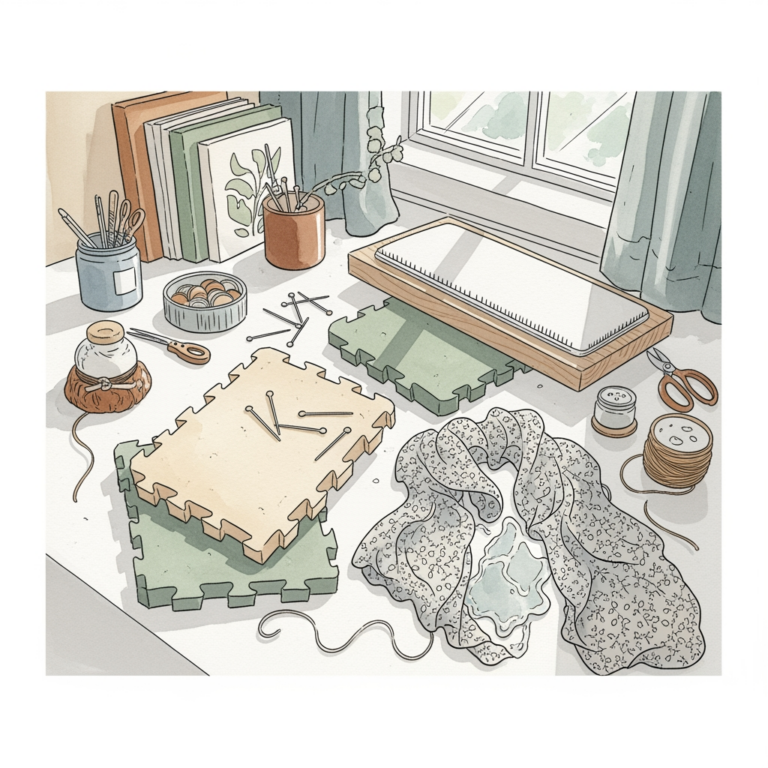
Blocking is where your project truly comes to life, and securing your edges correctly is vital for a professional finish. Use plastic clips to hold your edges in place before you insert your blocking pins to ensure the shape is perfectly symmetrical.
- Even Tension: Use clips to distribute the tension evenly across the edge of the piece.
- Avoid Over-Stretching: Don’t use clips to force a shape that the yarn doesn’t naturally want to hold.
- Layering: If you are blocking multiple pieces, use clips to keep them aligned while you steam or soak them.
Remember that plastic clips are for holding, not for tensioning. Your blocking pins should do the heavy lifting of shaping, while the clips keep the edges from rolling or shifting.
Maintaining Your Knitting Notions for Longevity
Even the best plastic clips can degrade over time if they are stored incorrectly. Keep them away from direct sunlight, as UV rays can make plastic brittle and prone to cracking over the years.
I recommend keeping your clips in a dedicated, airtight container or a small notions pouch. This prevents them from getting crushed at the bottom of your project bag and keeps them clean of dust and lint.

If a clip starts to feel "tacky" or shows signs of rough edges, it is time to retire it. A small investment in new notions is always cheaper than repairing a snagged, hand-knit garment.
Choosing the right plastic clips is all about matching the tool to your specific project and yarn type. Whether you prioritize ease of use, durability, or versatility, there is a perfect option waiting to become a permanent part of your knitting kit. Treat your tools with care, and they will ensure your beautiful projects remain pristine from cast-on to the final bind-off. Happy knitting, and may your stitches always stay right where you want them.