6 Best Hand Creams For Preventing Sequin Snags
Stop sequin snags with these 6 top-rated hand creams. Our guide explores non-greasy, fast-absorbing formulas that keep your skin smooth and snag-free all day.
When you’re working with sequins, beads, or delicate metallic threads, your hands become the most important tool in your kit. A single rough patch of skin can catch on a sequin, causing it to pop off or, worse, snag your delicate silk yarn. Keeping your hands smooth isn’t just about vanity; it’s a vital part of maintaining the structural integrity of your high-end fiber projects. These six hand creams are designed to keep your skin soft enough to handle the most intricate embellishments without a single snag.
L’Occitane Shea Butter: Best Intense Hydration
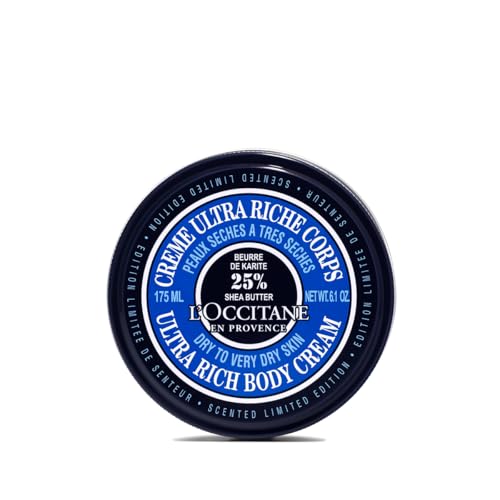

This is the gold standard for knitters who spend hours working with unforgiving fibers like mohair or silk. Its high concentration of shea butter creates a protective barrier that seals in moisture, ensuring that even after a long session of lace knitting, your cuticles remain supple.
If you are working on an heirloom project, you know that dry, cracked skin acts like sandpaper against delicate threads. This cream is heavy-duty enough to repair damage caused by cold, dry winter air in your studio.
However, because it is so rich, it can leave a slight residue. I recommend applying it during your "tea break" or right before you step away from the needles for an hour to let it fully soak in.
Neutrogena Norwegian Formula: Best Non-Greasy

For those of us who cannot stand the feeling of slippery fingertips while handling needles, this formula is a lifesaver. It provides a concentrated dose of glycerin that hydrates deep into the skin without leaving a slick film that might cause your needles to slide out of your grip.
I often reach for this when I’m knitting with slick metal needles, where grip is already at a premium. It absorbs quickly, meaning you don’t have to worry about transferring oils onto your pristine project.
The trade-off here is that it feels somewhat "tacky" for a few seconds upon application. Trust the process; once it sets, it leaves your hands feeling like a clean, smooth surface ready for intricate beadwork.
Burt’s Bees Almond Milk: Best Natural Formula
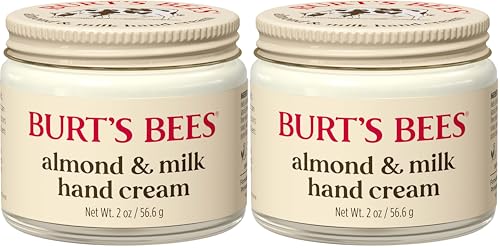
If you are sensitive to synthetic fragrances or heavy chemicals, this almond milk-based cream is a fantastic, gentle alternative. It uses sweet almond oil and vitamin E to soften rough patches around the nail bed—the area most likely to catch on sequins.
It is particularly effective if you have a habit of picking at hangnails, which are the primary culprits for snagging yarn. The formula is lightweight enough to use multiple times a day without feeling weighed down.
While it is excellent for maintenance, it may not be enough for severely cracked or "knitter’s hands" that have been exposed to harsh conditions. Use this as your daily, go-to preventative measure rather than a heavy-duty repair treatment.
O’Keeffe’s Working Hands: Best for Dry Skin

This is the heavy artillery of hand creams, perfect for those who knit with high-twist wools that naturally strip moisture from the skin. It is odorless and non-greasy, specifically engineered to create a protective layer that keeps moisture in and irritants out.
I suggest this for knitters who suffer from deep cracks near the fingertips, which can be catastrophic when working with sequined fabric. It effectively "fills in" the rough texture of dry skin, creating a smooth surface that glides over delicate embellishments.
Be aware that a little goes a very long way. If you apply too much, it can feel a bit waxy, so start with a pea-sized amount and work it into your palms and knuckles thoroughly.
Aveeno Daily Moisturizing: Best Fast Absorbing
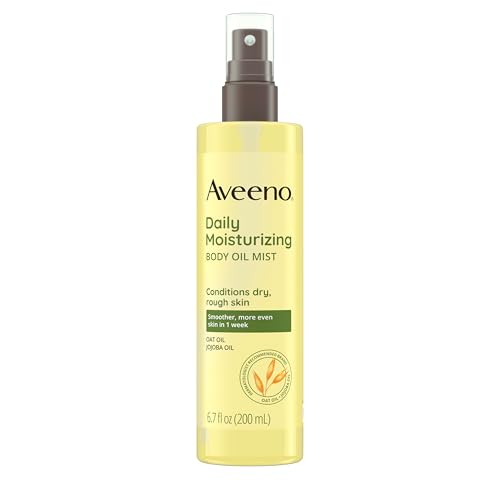
When you are in the "flow state" of a complicated pattern and don’t want to break your rhythm, this is the cream you want on your desk. It features prebiotic oat, which is incredibly soothing for skin that has become irritated by constant friction against yarn.
The absorption rate is impressive, making it ideal for those quick transitions between finishing a row and starting a new section. It doesn’t leave a residue that would compromise the tension of your work or the luster of your sequins.
Because it is thinner than the others, it is best for regular maintenance rather than deep healing. Keep this in your project bag for quick touch-ups whenever your hands start to feel the "dry-pull" of wool.
Eucerin Advanced Repair: Best for Sensitivity

If your skin reacts to everything or you find yourself dealing with dermatitis from certain fiber dyes, this is a safe, dermatologist-recommended choice. It is fragrance-free and provides long-lasting hydration that doesn’t irritate sensitive skin.
Knitting is a tactile hobby, and if your hands are inflamed, it ruins the entire experience. This cream focuses on repairing the skin barrier, which is essential for keeping your hands smooth enough to handle sequins without fear.
It is a bit thicker and takes a moment to absorb fully. I recommend applying this at night as a "hand mask" to wake up with smooth, ready-to-knit hands the next morning.
Why Dry Hands Snag Delicate Sequin Embellishments
The anatomy of a snag is simple: a sequin is essentially a tiny, sharp-edged disc. If your skin is dry, the microscopic ridges of your skin cells catch on the edge of the sequin, pulling it loose or fraying the yarn holding it in place.
When your skin is properly hydrated, the surface of your fingertip is smooth and uniform. This allows your fingers to glide over the sequin without creating enough friction to cause a snag.
Think of your hands as part of your equipment; if your needles are polished to prevent snagging, your skin should be treated with the same level of care. Ignoring hand health is a common oversight that leads to ruined projects and frustration.
Key Ingredients to Seek for Smooth Knitting Hands
When scanning labels, look for ingredients that provide both moisture and a protective barrier. Glycerin is essential for drawing water into the skin, while Shea Butter or Ceramides seal that moisture in.
- Glycerin: Provides deep, non-greasy hydration.
- Shea Butter: Creates a physical barrier against friction.
- Vitamin E: Promotes healing for small nicks and cuts.
- Oat Extract: Calms inflammation caused by fiber allergies.
Avoid creams with heavy perfumes or alcohol, as these can dry out your skin even further over time. A simple, ingredient-focused cream is always better for the long-term health of a fiber artist’s hands.
Proper Hand Care Routine for Serious Fiber Artists
Consistency is more important than the cost of the cream. I recommend a "wash, dry, hydrate" routine every time you sit down to knit.
First, ensure your hands are clean and completely dry, as moisture trapped under a cream can cause sweat and fiber degradation. Apply a small amount of cream, focusing specifically on your fingertips and the sides of your nails.
If you are working on a large project, try to apply a light layer of lotion every two hours. This keeps the skin barrier intact throughout the day, preventing the buildup of rough, snag-prone skin.
When to Apply Cream to Protect Your Sequin Work
The timing of your application is just as important as the product itself. Never apply a thick cream immediately before picking up your project; give it at least five to ten minutes to fully absorb into your skin.
If you are worried about residue, keep a soft cotton cloth nearby to gently wipe your fingertips before you touch the yarn. This ensures that you get the benefits of the moisturizer without the risk of staining or greasing your fibers.
Ultimately, listen to your hands. If they feel tight or if you notice a "catch" when running your fingers over your work, it’s time for a boost of hydration.
Caring for your hands is a fundamental part of the fiber arts craft, especially when working with delicate embellishments like sequins. By choosing the right cream and maintaining a consistent routine, you ensure that your hands remain a smooth, reliable tool for your creative work. Don’t let dry skin compromise your hard work; keep these options close by and treat your hands with the same respect you give your finest yarns. Happy knitting, and may your stitches remain snag-free.