7 Best Fiber Detergents for Natural Wools to Use
Preserve your wool’s softness with our top seven fiber-safe detergents. Discover gentle, effective formulas designed to clean and protect delicate knitwear.
When you invest forty hours into a hand-knit sweater, the final wash is the most nerve-wracking moment of the entire process. Using the wrong detergent can strip essential oils, cause premature felting, or leave behind a residue that irritates your skin during wear. Choosing a specialized fiber wash is the single most effective way to ensure your stitches remain plump and your yarn stays soft for years. Here are the best detergents to protect your hard work and keep your fibers thriving.
Eucalan Delicate Wash: Best Overall for Wool
Eucalan is the gold standard for a reason, primarily because it is pH neutral and contains lanolin to help condition the fibers. It is an excellent choice for those who want a simple, reliable product that doesn’t require a secondary rinse.
If you are working with a delicate lace shawl or a dense, cabled sweater, Eucalan provides a gentle clean that doesn’t compromise the structural integrity of the yarn. Because it is a no-rinse formula, you avoid the agitation caused by repeatedly submerging and squeezing your project in the sink.
The main trade-off is the scent profile, which can be quite strong if you are sensitive to fragrance. If you prefer a neutral experience, stick with the unscented version to ensure your finished knit doesn’t carry a lingering perfume.
Soak Wash: Best No-Rinse Option for Knitwear
Soak is a modern favorite that focuses on efficiency and a wide range of sophisticated scents. It is incredibly effective at removing surface dirt and dust, making it perfect for items that need a quick refresh rather than a deep, heavy-duty clean.
Because it is designed to be left in the fibers, it acts as a mild conditioner that keeps the yarn supple. This is particularly helpful for wools that might have lost their "bounce" after being handled extensively during the knitting process.
However, be mindful of how much you use. A little goes a long way, and adding too much can leave a slightly tacky feel on the yarn surface. Use it sparingly, especially on light-colored projects where residue might be more visible.
Kookaburra Wool Wash: Best for Natural Lanolin


Kookaburra stands out because it is specifically formulated to replenish the natural lanolin that wool loses during the spinning and dyeing process. If you are knitting with raw, minimally processed wools, this is the product you want to reach for.
Lanolin is the waxy substance sheep produce to keep their fleece water-resistant and soft. By washing your knits in Kookaburra, you are essentially mimicking the natural environment of the fiber, which helps maintain the yarn’s original loft and elasticity.
Keep in mind that this wash is best for rustic or traditional wools. If you are working with highly processed superwash merino, the extra lanolin might be overkill and could make the yarn feel slightly oily.
The Laundress Wool & Cashmere: Best Premium Pick
This is a luxurious, concentrated detergent that feels like a spa treatment for your most expensive hand-knits. It is formulated with cedar extracts, which act as a natural deterrent for moths, making it a smart choice for long-term storage.
When you are working with high-end luxury fibers like cashmere, angora, or yak, you want a product that is as gentle as possible. The Laundress excels at cleaning without stripping the delicate scales of these animal fibers.
The price point is higher than other options, so reserve this for your heirloom-quality projects. It is an investment in the longevity of your most cherished hand-knits rather than a daily-use detergent.
Unicorn Fibre Wash: Best for Deep Fiber Cleaning
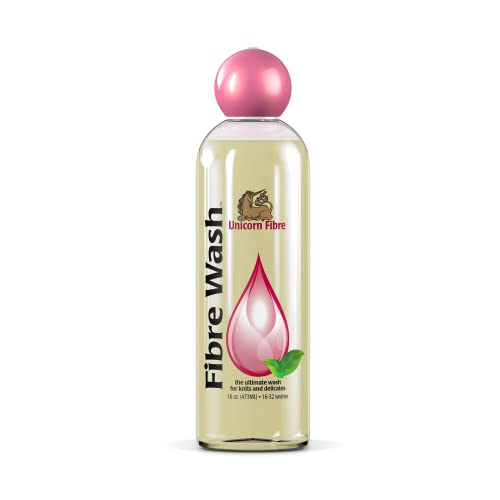
Unicorn Fibre Wash is a professional-grade cleaner that is excellent for "de-gunking" vintage yarn or cleaning thrifted wool sweaters. It is highly effective at removing deep-seated oils and odors that milder washes might miss.
If you have purchased a sweater from a second-hand shop that smells like mothballs or stale smoke, this is your best line of defense. It cleans deeply without requiring high temperatures, which is critical for preventing accidental felting.
Because it is so potent, ensure you follow the dilution ratios strictly. It is a workhorse product, not a delicate conditioner, so use it when your wool truly needs a reset.
Tenembaum Wool Wash: Best for Sensitive Skin

Tenembaum is a fantastic option for knitters who suffer from contact dermatitis or have extreme sensitivities to chemical additives. It is formulated with minimal ingredients, focusing on purity and skin safety above all else.
When you spend hours knitting with a yarn, the fibers are constantly rubbing against your hands and arms. If you have sensitive skin, a wash that leaves behind harsh chemicals can turn a cozy sweater into an unwearable garment.
This wash is incredibly gentle, though it lacks the heavy conditioning properties of lanolin-rich washes. It is the perfect choice for baby knits or items that will be worn directly against the neck or face.
Twig & Horn Wool Soap: Best Gentle Formulation
Twig & Horn offers a classic, bar-style or liquid soap that feels like a return to traditional fiber care. It is simple, effective, and free from the synthetic brighteners often found in mass-market laundry detergents.
Using a soap like this feels intentional and slow, which aligns well with the rhythm of hand-knitting. It cleans efficiently while maintaining the natural hand-feel of the yarn, ensuring your stitches don’t look "over-washed" or limp.
The trade-off here is the application process, which requires a bit more care to ensure the soap is fully dissolved before the wool is introduced. Take the extra thirty seconds to whisk the soap into the water thoroughly before submerging your project.
Why Your Wool Needs Specialized Fiber Detergents
Regular laundry detergents are often packed with enzymes like protease, which are designed to break down protein stains. Since wool is a protein fiber, these detergents will literally begin to digest your yarn, causing it to thin and weaken over time.
Standard detergents also have a high pH, which can cause the delicate scales of the wool fiber to open up and interlock. This leads to the dreaded "felted" look, where your beautiful stitch definition disappears into a matted, fuzzy mess.
Specialized fiber washes are pH balanced to keep those scales closed and smooth. By using the right product, you preserve the structural integrity of your yarn, ensuring your projects look as crisp as they did on the needles.
How to Properly Soak and Block Your Hand-Knits
- Fill your basin with lukewarm water and add your chosen fiber wash, mixing it thoroughly before adding the garment.
- Submerge the piece and let it soak for at least 15–20 minutes, allowing the detergent to lift dirt without any agitation.
- Support the weight of the wet garment when lifting it out of the water; never let it hang, as the weight of the water will stretch the fabric out of shape.
- Roll the item in a clean, dry towel to remove excess moisture before laying it flat on a blocking mat to dry in its final, intended shape.
Essential Tips for Preventing Wool Fiber Damage
- Avoid temperature shock: Never switch between hot and cold water during the washing or rinsing process, as this rapid change can cause fibers to shrink.
- Minimize agitation: Wool felts through a combination of heat, moisture, and friction; the less you move the garment, the safer it is.
- Store with care: Always wash your woolens before putting them away for the season, as perfume, sweat, and food particles are what attract moths.
- Check your fiber content: If your yarn is superwash, it can handle more machine-like movement, but hand-washing remains the gold standard for long-term preservation.
Taking care of your hand-knits is just as important as the knitting process itself. By choosing a dedicated fiber wash and treating your projects with the respect they deserve, you ensure that your time and effort are preserved for years to come. Whether you opt for a lanolin-rich wash or a simple, unscented formula, your wool will thank you for the extra attention. Happy knitting, and may your blocking always be perfectly precise.