6 Best Garment Clips For Holding Blocking Wires
Blocking wires require secure tension to shape knits perfectly. Discover the six best garment clips to keep your wires in place for professional results.
Achieving the perfect drape in your hand-knit lace or colorwork shawl relies heavily on how you secure your blocking wires. Without the right clips, your edges can slip, leading to uneven tension and a distorted final shape. Choosing the correct tool depends on your yarn’s weight and the overall size of your project. This guide breaks down the best options to ensure your blocking process is as precise as your knitting.
Clover Wonder Clips: Best Overall for Wire Grip
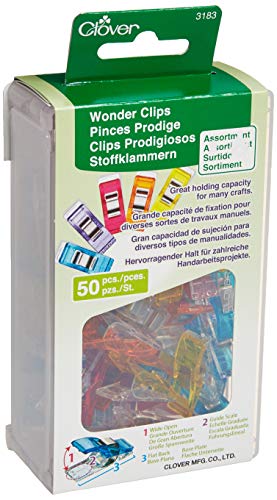

Clover Wonder Clips have become a staple in my kit because they offer a flat base that sits perfectly flush against a blocking mat. Unlike rounded clips, they won’t wobble or tip over when you are pinning a heavy wool shawl.
The grip strength is remarkably consistent, providing just enough pressure to hold a wire in place without crushing the fiber. They are particularly effective when you are working with slippery fibers like silk or alpaca that tend to migrate away from the wire.
The primary tradeoff is their size; they are relatively small, which means they work best on thinner wires. If you are blocking a dense, heavy blanket, you might find yourself needing a high volume of these to keep the tension even.
Binder Clips: The Budget-Friendly Blocking Hack
Every knitter has a stash of office supplies, and binder clips are the unsung heroes of the blocking board. They are incredibly strong, making them the go-to choice for heavy-duty projects like thick, woolen throws or rug-weight yarn.
The metal arms can be folded down to keep them out of your way, or left up to act as an anchor point for additional pins. They are cheap, accessible, and provide a level of security that specialized plastic clips simply cannot match.
However, you must be careful with the finish of the metal. If the edges are sharp or slightly rusted, they can snag delicate mohair or hand-dyed fibers, so always inspect them before clamping them onto your work.
Pony Plastic Stitch Clips: Lightweight Choice

Pony plastic stitch clips are perfect when you are dealing with smaller, delicate items like socks or baby garments. Their lightweight construction ensures they won’t pull on the fabric or distort the stitch gauge while the piece is drying.
Because they are made of smooth plastic, they are incredibly gentle on high-twist yarns that are prone to splitting. They don’t have the "bite" of a metal clip, which makes them ideal for short-term blocking where you don’t need excessive tension.
The downside is that they can pop open if you accidentally bump them during the drying process. They are best suited for projects where you can set the piece aside and leave it undisturbed for several days.
KnitIQ Blocking Clips: Designed for Precision
KnitIQ clips were developed specifically for the blocking process, which shows in their ergonomic design. They are shaped to accommodate both the wire and the thickness of the knitted fabric, ensuring a secure hold without creating deep indentations.
These clips are excellent for those who struggle with hand fatigue, as the tension spring is calibrated to be easy to open. They bridge the gap between the heavy-duty nature of a binder clip and the delicacy of a stitch marker.
While they are a more specialized investment, the precision they offer is unmatched for complex lace projects. If you are blocking a high-stakes project like a wedding shawl, these are the clips you want in your corner.
Tulip Etimo Crochet Clips: Gentle on Delicate Yarn

While marketed for crochet, these clips are a secret weapon for knitters working with luxury fibers like cashmere or fine lace-weight blends. The material is exceptionally smooth, ensuring that even the most fragile fibers won’t snag or fray.
They provide a soft, cushioned grip that respects the loft of your yarn. When you are blocking a project that has been hours in the making, the peace of mind that comes with a non-damaging clip is worth the premium price.
Be aware that they are not designed for high-tension blocking. If you are trying to aggressively stretch a garment to its maximum capacity, these clips may slide off the wire.
Bulldog Clips: Heavy Duty for Large Projects
When you are blocking a massive, heavy sweater or a full-sized afghan, ordinary clips often fail to hold the weight of the damp fiber. Bulldog clips provide the intense, clamping force necessary to keep large swaths of fabric taut.
Their wide mouth is ideal for grabbing both the blocking wire and the very edge of the knitted fabric simultaneously. This creates a secure anchor that won’t budge, even if the piece is quite heavy from water retention.
The tradeoff is that they are bulky and can be difficult to maneuver in tight spaces. You should also place a small piece of scrap fabric between the clip and your project to prevent the metal from leaving permanent pressure marks on your stitches.
Why Blocking Wires Require Specialized Clips
Blocking wires are essentially long, rigid needles that hold the straight edges of your work in a perfect line. Without a clip to anchor the wire to the mat, the wire will simply roll or slide, rendering your hard work useless.
Clips also serve as a secondary tensioning device. By adjusting the angle of the clip, you can subtly shift the wire to ensure the edge of your project is perfectly parallel to the grid on your blocking mat.
It is a common misconception that you can just pin the wire down with T-pins. While you can pin over a wire, using a dedicated clip allows you to move the wire as a unit, which saves time and prevents repeated stress on the yarn.
How to Choose the Right Clip for Your Project
Choosing the right clip comes down to the weight of your yarn and the tension you need to apply. For heavy, bulky yarns, prioritize grip strength; for delicate, lace-weight yarns, prioritize a smooth surface and gentle pressure.

Consider these factors when selecting your tools:
- Fiber Content: Use plastic for delicate silk/mohair; use metal for sturdy wool/cotton.
- Project Size: Larger items require clips with wider jaws to handle the thickness of the fabric.
- Blocking Surface: Ensure the clip’s base is compatible with your mat material (foam vs. cork).
If you are a beginner, start with a variety pack. You will quickly learn which clips feel comfortable in your hands and which ones hold your specific style of knitting best.
Avoiding Tension Marks When Using Metal Clips
Metal clips are notorious for leaving "dents" in knitted fabric, especially if you leave the project blocked for an extended period. These marks occur when the metal compresses the fibers, temporarily changing their loft and shape.
To avoid this, always use a buffer. A small square of felt or a scrap of cotton fabric placed between the clip and your work will distribute the pressure more evenly.
Furthermore, try to clip only the very edge of your work, rather than the body of the stitch. If you must clip the body, use a plastic-coated clip to minimize the risk of permanent deformation.
Best Practices for Securing Your Blocking Wires
Always start by laying your wire along the edge of the project, threading it through the edge stitches carefully. Once the wire is in place, clip the wire to the mat at intervals of about 4 to 6 inches.
If you are blocking a curved edge, you will need to place your clips closer together to follow the line of the curve. Don’t be afraid to use a mix of clip types; use heavy-duty clips at the corners where tension is highest, and lighter clips along the straightaways.
Finally, always double-check your tension before walking away. A quick tug on the wire will tell you if a clip is loose, potentially saving you from having to re-block the entire piece after it dries.
Selecting the right garment clips is a small detail that makes a massive difference in the professional appearance of your finished knitting. By matching the clip to your project’s weight and fiber type, you protect your hard work from snags and distortion. Experiment with different styles to see what suits your blocking surface and personal workflow. With the right tools secured, you can confidently block your projects knowing they will dry to a perfect, gallery-worthy finish.