7 Best Lightweight Aluminum Needles For Long Sessions
Discover the top 7 lightweight aluminum needles perfect for long knitting sessions. Our guide highlights ergonomic picks that reduce fatigue and boost comfort.
Finding the right needle is the difference between a relaxing evening of crafting and a painful session of cramping hands. For marathon knitters, the weight of your tools directly impacts your endurance and the evenness of your tension. Aluminum remains a gold standard for its balance of durability, speed, and affordability. Here are seven top-tier options to keep your hands comfortable through your longest projects.
ChiaoGoo Paten Red Aluminum Circular Needles
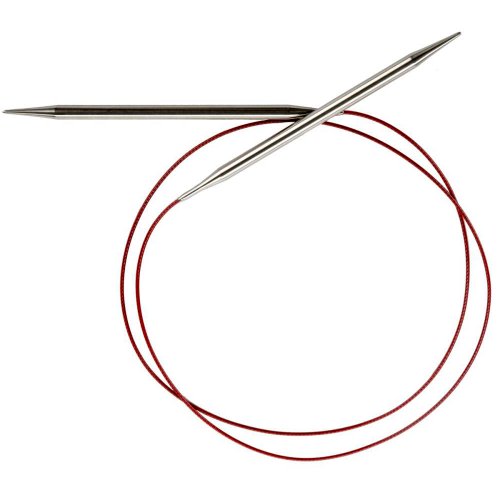

These needles are widely considered the "gold standard" for serious knitters who value precision and speed. The surgical-grade stainless steel cables are memory-free, meaning they won’t coil up or fight you while you work on large blankets or sweaters.
The finish on these needles is exceptionally smooth, allowing stitches to glide effortlessly from the tip to the cable. If you are working with sticky fibers like mohair or high-twist wool, this slick surface helps maintain a consistent gauge without constant tugging.
However, be aware that the tips are quite sharp. While this is perfect for intricate lace or picking up stitches, it can occasionally split plied yarns if you have a heavy hand.
Addi Turbo Circular Needles: The Classic Choice
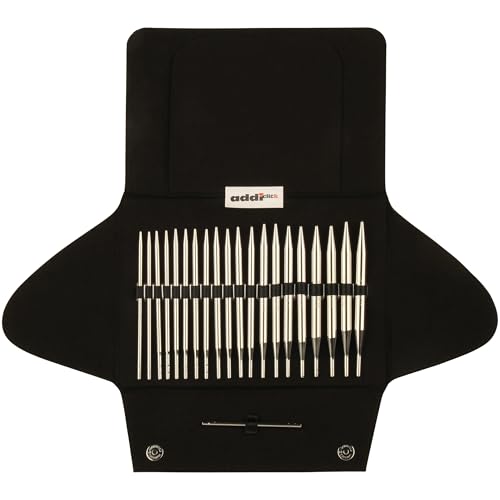
If you have spent any time in a local yarn shop, you have likely seen the gold-colored Addi Turbo needles. They are famous for their robust, nickel-plated finish that feels virtually indestructible under heavy use.
These needles are designed for speed, possessing a slightly blunter tip than modern precision needles. This makes them an excellent choice for knitters who tend to push the needle tip with their index finger, as the bluntness prevents skin irritation during long sessions.
The join where the needle meets the cord is famously seamless. You will rarely deal with the frustration of yarn snagging at the transition, which is a major advantage when working with delicate or multi-ply yarns.
Knitter’s Pride Basix Aluminum Circular Needles

Knitter’s Pride offers a fantastic entry point for those who want the benefits of aluminum without a high price tag. These needles are lightweight and feature a matte finish that provides just enough "drag" to keep slippery yarns like bamboo or silk from sliding off prematurely.
They are an ideal choice for beginners who are still developing their muscle memory and tension control. The slightly grippier surface helps you keep your stitches in place, preventing the "accidental drop" that often happens with ultra-slick metal needles.
While they may not have the premium cable technology of more expensive brands, they are incredibly reliable workhorses. They are perfect for stocking up on multiple sizes for your stash without breaking the bank.
Boye Aluminum Circular Knitting Needle Set

Boye needles are a staple in many households, often passed down through generations of knitters. They are classic, straightforward, and perform exactly as expected for basic knitting tasks.
Because they are made from hollow aluminum, they are remarkably light, which helps reduce wrist fatigue during long hours of work. If you are knitting a heavy, cabled wool sweater, the last thing you want is the added weight of dense, solid metal needles.
The tradeoff here is the cable, which is often stiffer than those found on premium brands. You may need to soak the cord in warm water for a few minutes to relax it before starting a project, especially if you are working in the round.
Susan Bates Silvalume Circular Needles Review

Susan Bates is synonymous with the "inline" hook head style, and their circular needles carry a similar ergonomic philosophy. These needles feature a unique, tapered design that helps guide the yarn smoothly over the needle shaft.
The anodized aluminum finish is durable and resists the wear and tear that can dull other needles over time. They are particularly well-suited for knitters who prefer a slightly more "pointed" tip for clean stitch entry.
One thing to note is that the finish can sometimes show slight color fading after years of heavy use. This is purely aesthetic and does not affect the performance or the smoothness of the needle surface.
Clover Takumi Aluminum Circular Needle Range

Clover is renowned for their meticulous engineering, and their aluminum circulars are no exception. They are incredibly lightweight, striking a perfect balance between the rigidity of metal and the comfort of a well-balanced tool.
The tips are rounded just enough to be comfortable for long-term use while still being sharp enough for standard knitting. This makes them a versatile "all-rounder" that handles everything from bulky acrylics to fine fingering-weight wools with ease.
If you are a knitter who suffers from hand fatigue, the weight distribution of these needles is a significant asset. They feel almost weightless in the hand, allowing you to focus entirely on your stitch pattern rather than the tool itself.
Pony Aluminum Circular Needles for Beginners
Pony needles are designed with the learner in mind, offering a friendly, accessible experience. They are often color-coded by size, which is a brilliant feature for anyone who keeps a large, unorganized collection of needles.
These needles are sturdy and forgiving, making them perfect for practicing new techniques like stranded colorwork or complex cables. You don’t have to worry about treating them with extreme delicacy; they are built to withstand the learning curve.
While they might lack the "luxury" feel of high-end needles, their consistency is their greatest strength. You know exactly what you are getting, and for many knitters, that reliability is more valuable than fancy features.
Why Aluminum is Perfect for Long Knitting Sessions
Aluminum sits in the "sweet spot" of knitting materials, bridging the gap between the slickness of nickel and the warmth of wood. Because it is a metal, it conducts heat from your hands, which can actually help relax tight muscles during a long project.
Unlike plastic, aluminum doesn’t develop "tackiness" or surface friction as your hands warm up. This ensures that your stitch flow remains consistent from the first row to the last, preventing the uneven tension that often occurs when you get tired.
Ultimately, choosing aluminum is about choosing efficiency. It allows for faster knitting speeds, which is essential when you have a deadline or a massive project like a king-sized afghan on your needles.
How to Prevent Hand Fatigue During Marathon Knits
Fatigue is rarely just about the weight of the needle; it is often about the grip. If you find yourself white-knuckling your needles, try consciously relaxing your shoulders and taking a five-minute break for every hour of knitting.
Consider your needle size in relation to your yarn weight. If you are knitting with a very thin yarn on tiny needles, your hands will naturally cramp more; try using a slightly larger needle size to loosen your gauge and ease the strain.
Stretching is also non-negotiable for serious knitters. Simple wrist rotations and finger extensions can prevent long-term issues like tendonitis, keeping you in the craft for decades to come.
Maintaining Your Needles for Smooth Stitch Flow
Even the best aluminum needles need a little love to stay in top shape. Over time, oils from your skin can build up on the surface, creating a slight drag that makes knitting feel sluggish.
A quick wipe-down with a soft, dry cloth after every project will keep the finish slick and bright. Avoid using harsh chemicals or abrasive sponges, as these can scratch the surface and create burrs that snag your yarn.
If your cables become tangled or stiff, store them by hanging them rather than coiling them tightly. Proper storage ensures your needles are ready to go the moment inspiration strikes for your next marathon project.
Choosing the right aluminum needle is a personal journey that balances your unique tension, the fiber you choose, and your physical comfort. By understanding the nuances of these seven options, you can select tools that support your knitting rather than hinder it. Remember that the best needle is the one that disappears into your hands, leaving you free to enjoy the rhythm of the work. Happy knitting, and may your stitches always be even.