7 Best Darning Needles For Joining Seams To Try
Finding the right darning needle is key for seamless finishes. Explore our top 7 picks designed for durability, ease of threading, and smooth fabric joining.
Finishing a project is arguably the most critical stage of the knitting process, yet it is often where makers feel the most frustration. A high-quality darning needle acts as an extension of your hands, allowing you to secure seams and hide yarn tails with precision. Choosing the right tool can transform a tedious chore into a satisfying, professional-looking conclusion. This guide explores the best options on the market to help you achieve that impeccable, "store-bought" finish.
Clover Chibi Bent Tip Tapestry Needles: Best Overall


These needles are a staple in almost every serious knitter’s notions bag for good reason. The signature bent tip allows you to easily slip under stitches without splitting the yarn, which is a common headache when working with plied wool.
The Chibi set comes in a convenient, portable case that prevents these small tools from disappearing into the depths of your project bag. Because they are made of a smooth, flexible plastic, they glide through most fibers without snagging.
However, they are slightly thicker than metal alternatives, which might be a drawback if you are working with very fine lace-weight yarn. They remain the gold standard for versatility and ease of use in daily knitting projects.
Bohin France Size 18/22 Chenille Needles: Best Steel

When you need a needle with a sharp point to pierce through dense fabric, Bohin’s steel chenille needles are the superior choice. Unlike blunt tapestry needles, these have a point that allows you to navigate tight, intricate seams or graft stitches in a way that feels surgical.
The quality of the steel is exceptional, resisting bending even when you are pulling through heavy, worsted-weight yarns. They are particularly effective when you need to weave an end into a tight cable or a complex colorwork motif where space is at a premium.
Be aware that because they are sharp, they require a bit more caution to avoid splitting the yarn strands you are working into. Use these when precision and structural integrity are your primary goals.
Dritz Yarn Darner Needles: Best Budget-Friendly Pick
Dritz is the reliable workhorse of the notions world, and their yarn darners are exactly what you need when you lose your favorite needle mid-project. They are straightforward, no-frills, and incredibly affordable.
These needles feature a long eye, which makes threading even the fluffiest mohair or thickest wool blend surprisingly simple. While they lack the ergonomic bent tip of more expensive brands, their classic straight design is perfectly adequate for basic seaming.
They are an excellent choice for keeping in multiple project bags so you are never caught without a tool. If you are prone to misplacing your notions, buying a pack of these ensures you always have a backup on hand.
Cocoknits Colored Steel Stitch Needles: Best Design
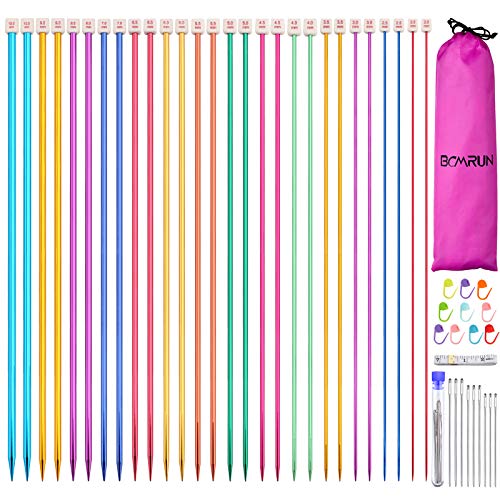
Cocoknits has mastered the art of combining aesthetic appeal with genuine functionality. These steel needles are finished with a vibrant nylon coating, making them easy to spot if you drop one on your carpet or between sofa cushions.
The steel core provides the strength and thin profile needed for delicate work, while the color coding helps you keep track of which needle size you are using. It is a thoughtful touch for knitters who juggle multiple projects with varying yarn weights.
The finish is remarkably smooth, ensuring they don’t catch on delicate fibers like silk or alpaca. They are a premium investment, but for the knitter who values organization, they are well worth the price.
Tulip Etimo Tapestry Needles: Best Premium Quality
Tulip of Japan is world-renowned for their needle manufacturing, and their tapestry needles are no exception. They possess a unique, polished finish that feels almost frictionless as it passes through your knitted fabric.
The eyes are perfectly formed and polished to prevent the yarn from fraying or snagging during the threading process. This is especially helpful when working with delicate, single-ply yarns that are prone to snapping under tension.
These needles are designed for the knitter who treats their tools with care and appreciates the difference that high-end manufacturing makes. They are an absolute joy to use for finishing heirloom-quality garments.
Susan Bates Finishing Needles: Best for Beginners
If you are just starting your knitting journey, you need tools that are forgiving and easy to handle. Susan Bates needles are widely available and feature a classic design that is intuitive for anyone learning the ropes.
They are sturdy, reliable, and large enough that they won’t feel like a needle in a haystack. The blunt tips are specifically designed to push through stitches without accidentally splitting the yarn, which is a common mistake for new knitters.
They provide a great foundation for learning how to weave in ends and join seams properly. Once you master your technique with these, you can decide if you want to upgrade to more specialized needles later.
Pony Large Eye Blunt Needles: Best for Thick Yarn
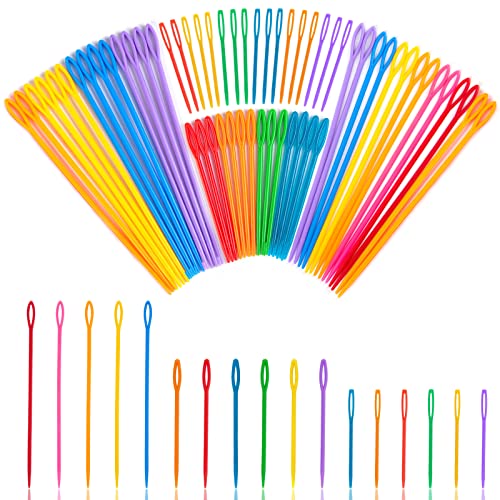
Working with super-bulky or jumbo-weight yarn presents a unique challenge: finding a needle eye large enough to accommodate the thickness of the fiber. Pony’s large-eye needles are designed specifically to tackle these heavy-duty projects.
The blunt tip is essential here, as it prevents you from snagging the thick, often loosely-plied yarn while you work. They are lightweight and easy to grip, even if you are working with a heavy blanket that is cumbersome to maneuver.
They are not meant for fine-gauge knitting, but for those chunky-knit sweaters and cowls, they are indispensable. Keep a pair of these in your kit specifically for your winter-weight projects.
How to Select the Right Needle Eye for Your Fiber
The eye of the needle is just as important as the tip when it comes to the health of your yarn. A needle eye that is too small will cause your yarn to fray or snap as you pull it through the fabric.
- For Fine Fibers: Look for a thin, elongated eye that keeps the yarn streamlined.
- For Textured/Bouclé Yarns: A larger eye is necessary to prevent the yarn from bunching up.
- For Multiple Strands: Ensure the eye is wide enough to hold all plies securely without splitting them.
Always test your yarn through the eye before you begin weaving. If you have to force it, you are risking damage to your hard work.
Why Bent Tip Needles Improve Seaming Efficiency
Bent tip needles are a game-changer for seaming because they allow you to pick up stitches without having to lift the fabric off your lap. The curve naturally follows the contour of the stitch, making it easier to "hook" the yarn.
This design is particularly beneficial for mattress stitch, the gold standard for invisible seams. By sliding the tip horizontally through the stitches, the bend helps you maintain consistent tension throughout the seam.
If you struggle with hand fatigue or find that your seams look uneven, switching to a bent tip needle can drastically improve your results. It turns a manual struggle into a fluid, rhythmic motion.
Essential Tips for Weaving in Ends Professionally
Weaving in ends is the final barrier between a project and its completion, and doing it properly ensures your work lasts for years. Always weave your tails in on the wrong side of the garment, following the path of the existing stitches.
- Follow the path: Mimic the "V" shape of the knit stitch to make the tail disappear.
- Change direction: Weaving in one direction can cause the tail to work itself loose; always double back.
- Split the ply: For a truly secure finish, occasionally split the yarn strand with your needle to lock it in place.
Never trim your tails too short until the garment has been blocked. Blocking can cause the fabric to shift, and you don’t want your carefully woven ends to pop out after all that effort.
Investing in a quality set of darning needles is one of the most underrated ways to elevate your knitting practice. By matching the right tool to your specific yarn weight and project type, you ensure that your hard work remains secure and looks beautiful for years to come. Take the time to experiment with different shapes and materials to see what feels most natural in your hands. Happy seaming, and may your ends always be perfectly hidden.