6 Best Fiber Wash Detergents For Natural Wools Reviewed
Keep your natural wools soft and durable. We review the 6 best fiber-safe detergents that clean gently without stripping essential moisture from your garments.
Spending hundreds of hours on a hand-knit sweater only to ruin it in the wash is a rite of passage every knitter fears. The secret to longevity lies not just in your stitch tension, but in the chemical balance of the soap you choose for your fibers. Using the wrong detergent can strip essential lanolin from wool or leave behind residue that attracts moths. This guide breaks down the best fiber washes to ensure your heirloom pieces stay soft, clean, and structurally sound for decades.
Eucalan Delicate Wash: Best Overall for Wool
Eucalan is the gold standard for a reason, primarily because it is a no-rinse formula that simplifies the blocking process. When you are blocking a large lace shawl, the last thing you want to do is wrestle with a heavy, water-logged piece in the sink to rinse out soap.
This detergent contains lanolin, which acts as a natural conditioner for wool fibers. It helps replenish the protective oils that often get stripped away during the spinning and dyeing processes. It’s particularly effective for garments that need a little extra "fluff" or drape after being blocked.
The trade-off is the scent profile; while the eucalyptus and grapefruit versions are popular, they can be potent. If you are sensitive to fragrance, stick to the unscented variety. It is the most reliable workhorse for everything from baby blankets to your favorite everyday pullover.
Soak Wash: Best No-Rinse Option for Knitwear
Soak is designed for the modern knitter who values speed and convenience. It is incredibly effective at lifting dirt and body oils without requiring a single rinse cycle, saving you time and preventing unnecessary agitation of your delicate stitches.
The formula is exceptionally gentle and works beautifully on a wide range of fibers, including silk and alpaca. I often recommend this for projects that feature intricate colorwork, as the formula is engineered to be color-safe. It keeps those high-contrast stranded motifs looking crisp rather than muddy.
If you are a busy maker who wants to finish a project and get it on your body quickly, this is your best bet. Just remember that because it is a no-rinse formula, you must use it sparingly. Using too much can leave a slightly tacky feel on the yarn surface.
Kookaburra Wool Wash: Best for Gentle Cleaning


Kookaburra uses a unique blend of tea tree oil and manuka, which provides natural antimicrobial properties. It is a fantastic choice if you are washing vintage wool finds or items that have been sitting in storage for a long time.
The cleaning power is impressive without being harsh on the fiber cuticle. Unlike some detergents that rely on heavy surfactants, Kookaburra works by breaking down grime at a molecular level. It is a favorite among those who prefer plant-based, biodegradable ingredients.
While it is excellent for cleaning, keep in mind that it does not provide the same conditioning boost as a lanolin-heavy wash. You may find that your wool feels slightly "squeaky" clean rather than soft and supple. It is a top-tier choice for deep cleaning, but you might want to follow up with a wool conditioner if your yarn is particularly dry.
The Laundress Wool & Cashmere: Premium Care
If you are working with luxury fibers like cashmere, angora, or high-end merino, The Laundress offers a sophisticated approach to garment care. This detergent is formulated specifically to protect the delicate scales of luxury animal fibers.
It excels at maintaining the "hand" of expensive yarn, preventing that dreaded pilling that often occurs after a few washes. Using this on a hand-knit cashmere cowl feels like a spa treatment for the fiber. It is definitely an investment, but it pays off when you consider the cost of the yarn you are maintaining.
Note that this product requires a thorough rinse, unlike the no-rinse options. This adds a step to your laundry day, which can be risky for delicate garments if you aren’t careful about supporting the weight of the wet fabric. Handle with care, and your luxury knits will thank you.
Unicorn Fibre Wash: Best for Heavy Soiling
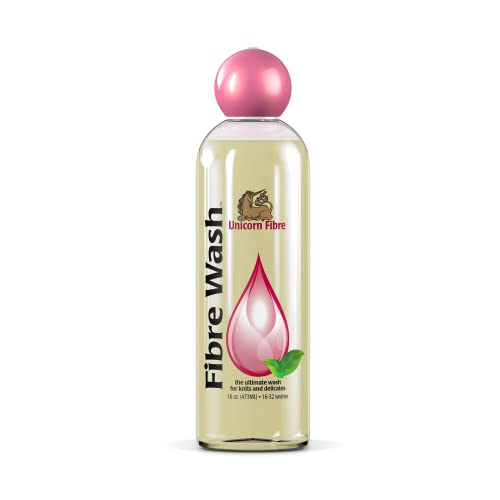
Unicorn Fibre Wash is the heavy-duty specialist of the fiber world. If you have a sweater that has been through a messy season or a project that arrived with a bit of "mill grease" still on the yarn, this is the product you reach for.
It is highly concentrated, so a little goes a very long way. It cuts through grime, dirt, and even residual spinning oils with ease. I often suggest this for people who work with raw fleece or hand-spun yarn that needs a serious initial wash.
Because it is so powerful, it is not necessarily the best choice for a light refresh of a clean garment. Use it when you need to restore a project to its original, pristine state. It is a specialized tool for the knitter who isn’t afraid to get their hands dirty.
Twig & Horn Wool Soap: Best Natural Formula
Twig & Horn focuses on simplicity and natural ingredients, making it ideal for the minimalist knitter. The formula is mild and keeps the wool’s natural properties intact without adding synthetic fragrances or dyes.
It is a great choice for those with sensitive skin or for garments intended for infants. The soap is gentle enough that it won’t irritate the skin, even after the garment has dried. It feels very honest and artisan, aligning well with the slow-fashion ethos of knitting.
The only downside is that it is a traditional soap, not a modern detergent. This means it can react with hard water to create a slight film if you are not careful. If you live in an area with very hard water, you might find you need to rinse a bit more thoroughly to keep the yarn soft.
Why Your Wool Needs a Specialized Detergent
Standard laundry detergents are often packed with enzymes like protease, which are designed to break down protein-based stains. Since wool is a protein fiber, those same enzymes will eventually start to eat away at your yarn.
Using regular soap on wool can strip the natural oils that keep the fiber elastic and resilient. Over time, this leads to brittle, scratchy yarn that is more prone to snapping and pilling. Specialized washes are pH-balanced to respect the delicate structure of wool’s outer cuticle.
Think of it as the difference between using a harsh dish soap and a moisturizing shampoo on your own hair. Your hand-knits are an investment of time and resources; using the right chemistry ensures they don’t lose their shape or softness after the first trip to the sink.
How to Properly Soak and Wash Hand Knits
Fill your basin with lukewarm water before adding the detergent to ensure it is evenly distributed. Gently submerge your knit, pressing it down to saturate the fibers, but never wring or twist the fabric.
Let it soak for about 15 to 20 minutes. This allows the detergent to lift dirt without mechanical agitation. If you are using a rinse-required soap, move the garment to a second basin of clean water at the same temperature to avoid thermal shock.
When finished, lift the garment out of the water, supporting its full weight with both hands. Never let a wet, heavy sweater hang from its own weight, as this will cause the stitches to stretch and the garment to lose its intended size.
Avoiding Common Mistakes When Laundering Wool
The biggest mistake is temperature fluctuation, which leads to felting. Always use cool to lukewarm water; if the water temperature changes rapidly during the rinse, the wool fibers will lock together, and you will end up with a doll-sized sweater.
Another common error is over-agitation. Unless you are intentionally fulling a project, treat your knits like delicate lace. Do not rub the fabric against itself to get a stain out, as this will create friction and cause the fibers to pill or felt.
Finally, avoid the temptation to "just throw it in" the machine on a gentle cycle. Even with modern machines, the spin cycle can cause stretching and distortion that is impossible to reverse. Hand-washing is the only way to guarantee the longevity of your hard work.
Essential Tips for Drying and Blocking Knits
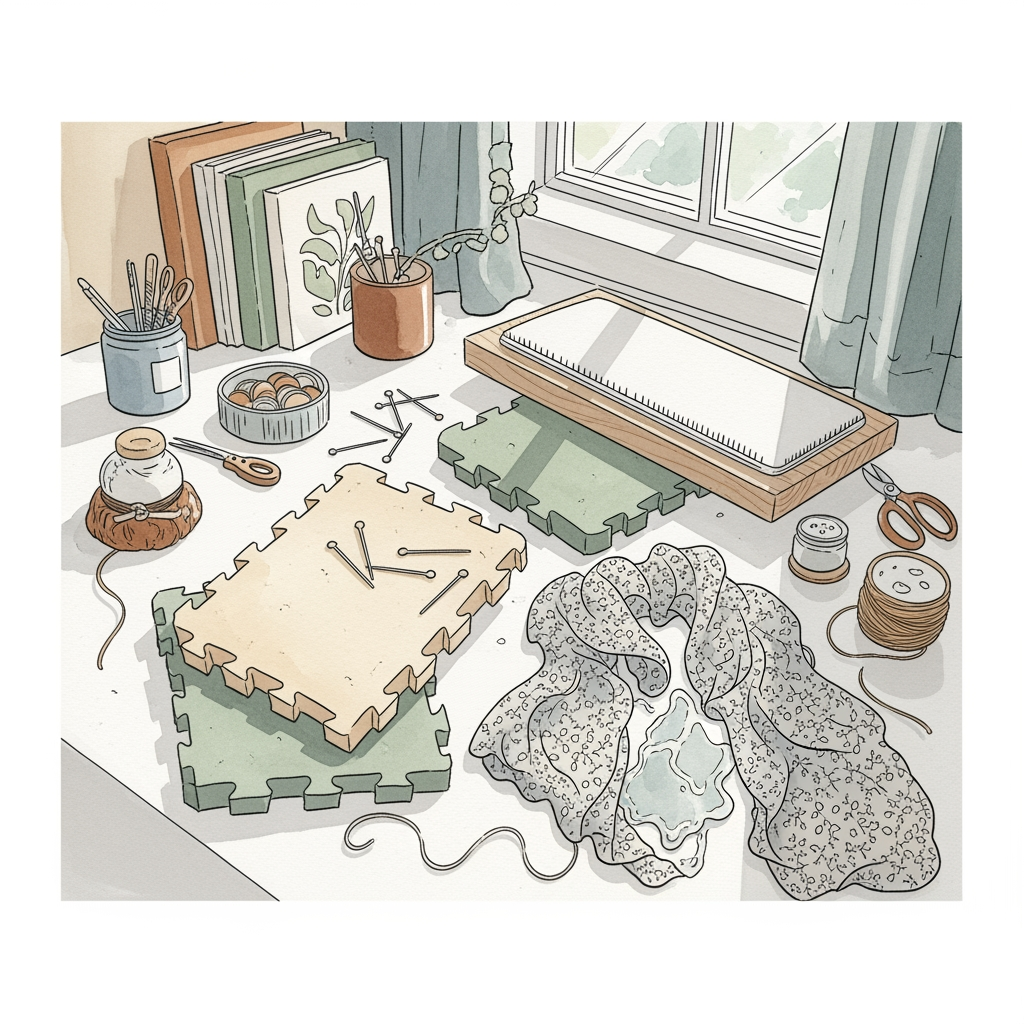
Always lay your knits flat on a clean, dry towel to dry. Roll the towel up like a sleeping bag with the garment inside to gently squeeze out excess moisture before laying it flat on a blocking mat.
Ensure you are blocking to the correct measurements. Use rust-proof pins to secure the edges, making sure the garment is shaped exactly how you want it to look when you wear it. This is your final chance to fix any minor gauge inconsistencies.
Never dry your knits in direct sunlight or near a heat source like a radiator. Natural fibers can become brittle if dried too quickly or exposed to harsh UV rays. Patience is key—let the garment dry naturally in a well-ventilated area, and it will be ready to wear in no time.
Caring for your hand-knits is just as important as the technique used to cast them on. By choosing a high-quality fiber wash and following gentle cleaning practices, you ensure that your projects remain as vibrant and soft as the day you bound off. Remember that every yarn behaves differently, so take a moment to understand your fiber before you wash. With the right tools and a little bit of patience, your hand-knitted wardrobe will last a lifetime.