6 Best Finger Guards For Needle Felting To Try
Protect your fingers while crafting. Discover our top 6 needle felting guards, comparing comfort, durability, and fit to enhance your precision and safety.
Needle felting is a meditative craft, but one slip of the hand can turn a relaxing evening into a painful lesson in anatomy. Those barbed needles are designed to catch fibers, and they are just as efficient at catching skin. Investing in a quality pair of finger guards is the single best way to ensure your focus stays on your sculpture rather than your bandages. Here are the top tools to keep your hands safe while you shape your wool.
Clover Leather Finger Guards: Best Overall Pick
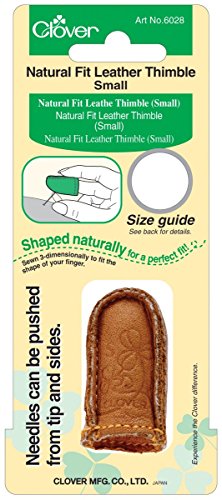

Clover is a household name in the fiber arts world for a reason: they prioritize durability and ergonomics. These leather guards are the gold standard because they provide a perfect balance between tactile sensitivity and puncture resistance.
When you are working on fine details, like the delicate ears of a needle-felted animal, you need to feel the wool’s density. These guards are thin enough to allow for that necessary feedback, yet tough enough to stop a stray needle cold.
The leather softens over time, molding to the unique shape of your fingertips like a well-worn glove. If you are prone to long felting sessions, this custom fit is a game-changer for preventing hand fatigue.
Dimensions Needle Felting Finger Protectors

Dimensions offers a straightforward, no-nonsense approach to safety. These guards are crafted from high-quality leather, specifically designed to withstand the repetitive, high-impact nature of felting.
If you are a beginner who tends to be a bit heavy-handed with your stabbing motion, these are an excellent choice. They offer a slightly thicker profile than some high-end leather options, providing a bit more "cushion" for those accidental direct hits.
They are particularly useful when you are working with coarse core wool that requires more force to felt. You get consistent protection without the bulk that often interferes with intricate work.
Woolbuddy Leather Finger Guards for Felting

Woolbuddy understands the specific needs of felters who prefer a more natural, tactile experience. Their leather guards are designed to be breathable, which is a major plus if you find that synthetic materials make your hands sweat during long projects.
The fit is often described as more anatomical, hugging the thumb and index finger snugly. This is vital when you are holding a small 3D shape in place while simultaneously felting a detail onto the surface.
Because they are made from genuine leather, they have a natural grip that prevents the wool from slipping away. If you’ve ever had a project slide out of your hands while you’re mid-stab, you’ll appreciate this added stability.
Hamanaka Fine Leather Felting Finger Cots

Hamanaka is a Japanese brand that brings a level of precision to felting that is hard to match. These finger cots are remarkably soft and supple, feeling almost like a second skin rather than a protective tool.
For the advanced artist working on hyper-realistic pieces, these are invaluable. They don’t inhibit the dexterity required to manipulate tiny wisps of roving or to place eyes and noses with microscopic accuracy.
While they are thinner, the quality of the leather is dense enough to protect against the standard felting needle. They are the choice for makers who want protection without feeling like they are wearing heavy-duty industrial gear.
G-Rollz Silicone Finger Guards for Stability

Silicone guards offer a completely different experience compared to traditional leather. These are grippy, flexible, and entirely waterproof, which makes them incredibly easy to clean if you happen to get them dusty or dyed.
The primary benefit here is the high-friction surface. If you are felting onto a slick surface or working with slippery synthetic fibers, the silicone provides a "tacky" grip that keeps everything firmly in place.
However, they can be less breathable than leather. If you have sensitive skin or tend to get sweaty hands, you might find them a bit uncomfortable after an hour or two of continuous work.
ArtBin Felt Guard Set: The Budget Option
ArtBin provides a reliable, accessible entry point for those just starting their needle felting journey. This set is perfect if you are still deciding whether felting will become a primary hobby and don’t want to over-invest immediately.
They provide adequate coverage for the most vulnerable areas of your fingers. While they may not have the premium feel of top-tier leather, they do exactly what they are intended to do: prevent punctures.
If you are buying supplies for a group class or a craft night, these are the most practical choice. They are durable enough to survive a beginner’s learning curve without breaking the bank.
Why Finger Protection Is Essential for Felting
Needle felting needles are essentially tiny, barbed metal harpoons. Unlike a sewing needle, which is smooth, the barbs on a felting needle are designed to snag and pull fibers, which means they snag and pull skin just as easily.
Even if you are an experienced crafter, fatigue is your enemy. As your focus wanes toward the end of a long project, your hand-eye coordination naturally dips, making a slip almost inevitable.
Finger guards act as a physical barrier that gives you a margin of error. It is much better to have a needle strike leather than to have it penetrate your fingertip, which can be quite painful and prone to infection.
Leather vs. Silicone: Which Guard Works Best
The choice between leather and silicone often comes down to your personal tactile preference. Leather is breathable, molds to your finger, and feels more "natural," which many fiber artists prefer.
Silicone, on the other hand, is all about grip and maintenance. It is excellent for holding onto slippery fibers or keeping your work steady on a foam pad.
- Leather: Best for long-term comfort, breathability, and tactile feedback.
- Silicone: Best for maximum grip, easy cleaning, and durability.
- The Bottom Line: If you want comfort, go leather. If you want a firm, non-slip hold, choose silicone.
How to Properly Fit Your Needle Felting Guards
A guard that is too loose will slide off exactly when you need it most, while one that is too tight will restrict circulation and cause hand cramping. You want a snug fit that stays put even when you are moving your fingers rapidly.
Most leather guards will stretch slightly as they break in. If it feels just a hair too tight at first, give it a few hours of use before deciding it’s the wrong size.
If you find that your guards are still slipping, consider using a small piece of double-sided tape or a thin adhesive strip on the inside. A well-fitted guard should feel like an extension of your finger, not a cumbersome accessory.
Troubleshooting Common Needle Felting Injuries
If you do happen to get poked, the first step is always to clean the area thoroughly. Because felting needles are often used on raw wool, they can carry dust and microscopic debris that can cause irritation.
If you notice you are getting poked constantly, take a step back and look at your technique. Are you holding the wool too close to the needle? Are you using a needle that is too long for the size of your project?
Often, switching to a shorter needle or using a larger foam base can help you keep your fingers at a safer distance. Remember: needle felting is about rhythm and patience, not speed. Slowing down is the best injury prevention of all.
Needle felting is a beautiful way to transform raw wool into art, but it requires the right safety gear to stay enjoyable. Whether you prefer the supple feel of leather or the high-grip nature of silicone, finding the right guard will keep your hands protected for years of creating. Don’t wait until you’ve had a painful accident to prioritize your safety. Pick a pair that feels right for your hands and get back to the joy of making.