7 Best Lighting Lamps For Detailed Color Changes
Discover 7 top-rated lamps for precise color accuracy. This guide evaluates key features to help artists and designers achieve perfect lighting control today.
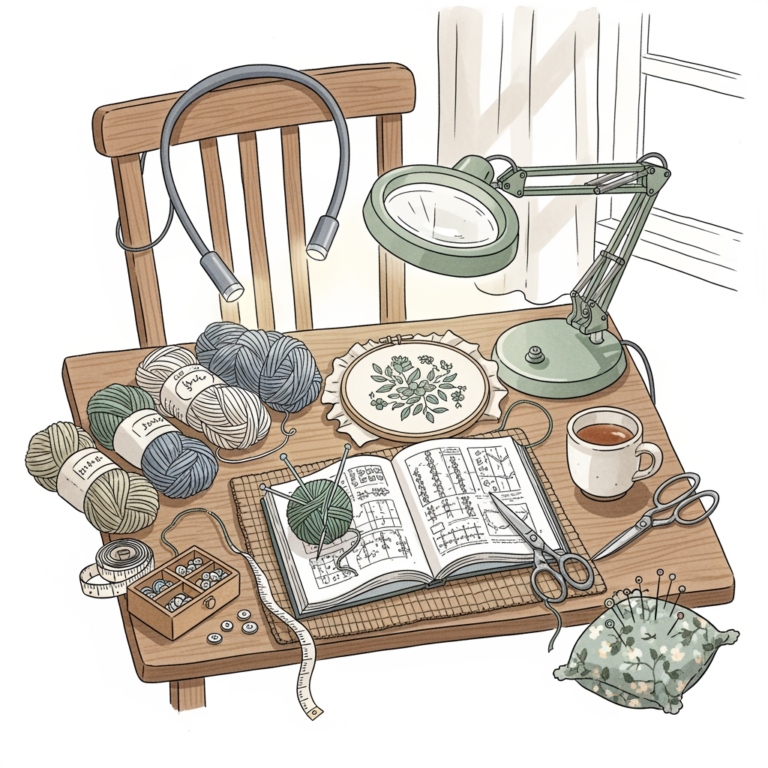
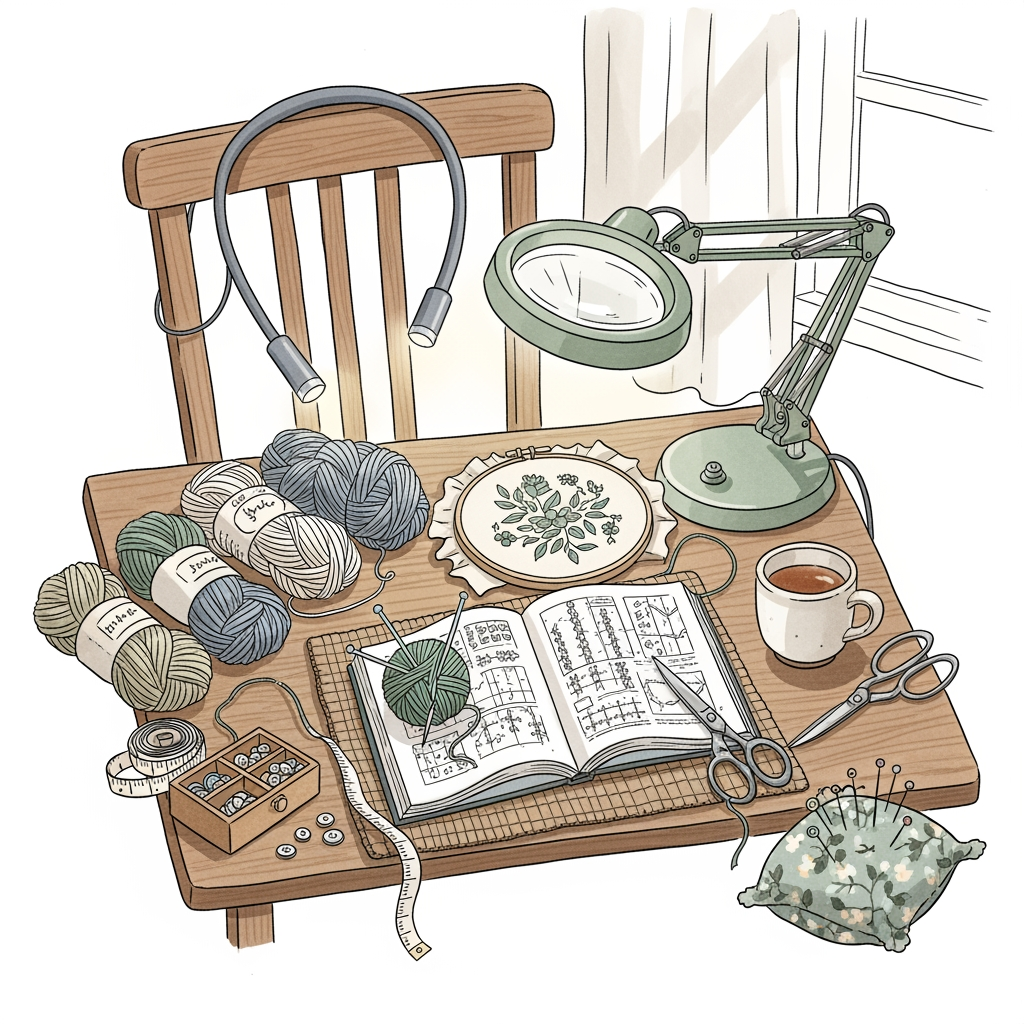
Finding the right light is the difference between loving a complex stranded colorwork project and abandoning it in frustration. As someone who has spent decades squinting at dark navy mohair under dim lamps, I know how easily eye strain can derail your progress. The following seven lighting solutions are designed to bring true color accuracy and clarity to your knitting workspace. Investing in proper illumination is just as vital as choosing the right needle material or yarn weight for your gauge.
Daylight Company Wafer 2 Lightbox: Best Overall


This ultra-slim lightbox is a game-changer for those late-night sessions where you need to verify if your contrast color is truly distinct from your main color. Because it provides a perfectly even, edge-to-edge glow, it eliminates the harsh shadows that often hide dropped stitches in dark-colored yarns.
When you are working with black or charcoal wool, even the best overhead lighting can leave you guessing. Placing your knitting over the Wafer 2 allows you to see the structure of your stitches clearly, making it much easier to identify where you might have missed a yarn-over or twisted a stitch.
It is incredibly lightweight and portable, meaning you can move it from your dedicated craft desk to your favorite armchair. While it is an investment, the high Color Rendering Index (CRI) ensures that the colors you see are the colors you will have in daylight, preventing those "oops" moments when your project looks different once you step outside.
Brightech LightView Pro LED Magnifying Lamp
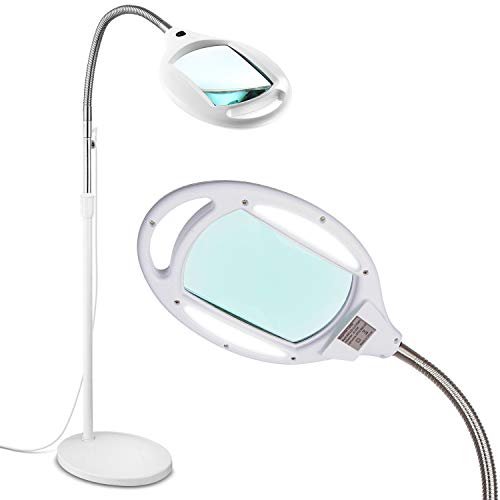
If you are working on lace patterns with small, intricate repeats or using fine-gauge lace-weight yarn, magnification is your best friend. This lamp combines a steady, bright LED light with a high-quality magnifying lens that takes the physical strain out of reading complex charts.
The beauty of this lamp lies in the "hands-free" aspect. You can position the lens over your work, allowing you to focus entirely on your tension and stitch placement without having to hold a handheld magnifying glass.
Keep in mind that the lens can take some getting used to if you are prone to motion sickness or have specific vision needs. However, for picking up a dropped stitch in a delicate silk-blend yarn, the clarity it provides is unparalleled.
OttLite 2-in-1 LED Floor and Table Lamp
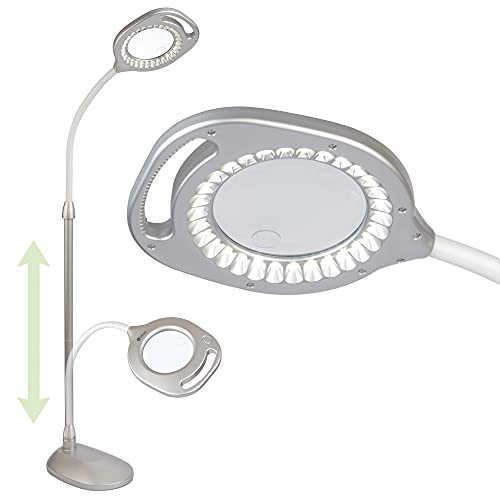
Versatility is the hallmark of the OttLite system, which is perfect for knitters who shift between different seating areas. This lamp easily converts from a tall floor lamp for your sofa to a compact desk lamp for your project bag organization.
The specialized LED technology is designed to mimic natural daylight, which is essential when you are trying to match dye lots or coordinate subtle color gradients. If you have ever struggled to tell the difference between two similar shades of green in a variegated skein, this lamp will clarify the situation instantly.
It is a reliable, sturdy choice that won’t take up too much floor space. While the base is stable, ensure you have it on a level surface so the neck doesn’t drift while you are in the middle of a row.
Neatfi XL 2,200 Lumens LED Task Lamp
When you are tackling a massive project like a king-sized cable-knit blanket, you need a lamp that covers a wide surface area. The Neatfi XL provides an expansive, shadow-free pool of light that illuminates your entire lap.
The 2,200 lumens output is powerful, making it the top choice for knitters who need intense brightness to work with dark, "thirsty" fibers like black alpaca. Because the lamp head is wide, you won’t have to constantly adjust the position as you move across a long circular needle cord.
It is a professional-grade tool that feels built to last for years of heavy use. Just be aware that because it is so bright, you will want to position it carefully to avoid glare, especially if you are using shiny metal needles.
Lepower Architect LED Desk Lamp for Detail
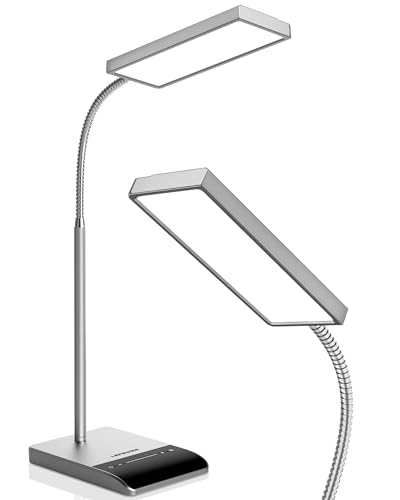
Sometimes, you just need a simple, adjustable lamp that can pivot exactly where you need it. The architect-style design of the Lepower allows you to tuck the light into tight spaces, which is ideal if your knitting space is shared with a computer or other crafts.
This is a fantastic option for beginners who don’t want to break the bank but need something better than a standard living room bulb. You can easily angle it to light up the tip of your needles, which is crucial when you are learning to manage multiple dpns (double-pointed needles) for sock heels.
It doesn’t have the high-end color-correction features of the pricier models, but it is more than sufficient for most standard knitting tasks. It is a solid, no-nonsense tool that does exactly what it promises.
TaoTronics LED Desk Lamp with Eye Care
Eye fatigue is a real issue for long-distance knitters who spend hours working on intricate patterns. This lamp features multiple color modes and brightness levels, allowing you to customize the light to match the time of day and your specific fiber color.
I particularly like the "warm" light setting for evening knitting, as it is much easier on the eyes than the harsh blue light emitted by many standard LEDs. It also features a sleek, modern design that won’t clutter up your bedside table.
If you are working with high-contrast colorwork, you can toggle to a brighter, cooler white setting to ensure every stitch pop. It is a smart, adjustable solution for those who want a lamp that adapts to their specific mood and project needs.
BenQ ScreenBar Halo for Workspace Clarity

If you knit while watching patterns on your computer or tablet, the BenQ ScreenBar is a genius solution. It clips onto your monitor and lights up your desk space without creating any glare on your screen.
This is perfect for the "digital knitter" who follows charts on a screen rather than paper. It keeps your workspace clean and decluttered, leaving plenty of room for your yarn bowl and notions pouch.
Because it directs light downward, it creates a very focused, high-clarity environment for your hands. It is a premium choice, but for those who spend hours with their eyes glued to digital patterns, the reduction in screen-to-yarn contrast is well worth it.
Why Lighting Matters for Intricate Colorwork
In colorwork, the relationship between your main color and contrast color is everything. If your lighting is poor, you might choose two colors that look distinct under a yellow living room bulb but end up looking muddy or identical once you step into the sun.
Natural daylight is the gold standard for fiber arts because it reveals the true hue and saturation of the yarn. When you use high-CRI lighting, you are essentially bringing that daylight indoors, ensuring your color choices are intentional and accurate.
Poor lighting also forces you to rely on "muscle memory" and touch, which can lead to missed increases or decreases. By lighting your work properly, you can visually verify your stitch counts, which is much faster than having to count them by hand every few rows.
Key Features for Knitting and Fiber Arts
When shopping for a lamp, don’t just look at the wattage; look at the quality of the light. Here are the features that actually matter for your knitting health and success:
- Color Rendering Index (CRI): Aim for 90+ to ensure colors appear true to life.
- Adjustable Brightness: Essential for transitioning from light-colored cotton to dark, fuzzy wool.
- Flicker-Free Technology: Prevents the subtle, subconscious eye strain that comes from low-quality LED drivers.
- Flexible Neck/Arm: Allows you to direct light exactly where your needles meet the yarn.
- Color Temperature Control: Warm light is better for relaxation, while cool, bright light is best for spotting errors in dark yarn.
How to Optimize Your Craft Space Lighting
Start by assessing your current setup during the time of day you knit the most. If you find yourself leaning forward or hunching over your needles, your light source is likely too far away or too dim.
Position your light source to the side of your dominant hand to minimize the shadows cast by your needles. If you are using metallic needles, be mindful of glare; sometimes, switching to wood or bamboo needles can help reduce reflections when using a very bright lamp.
Finally, consider the background of your workspace. A neutral, matte-colored surface behind your knitting can help your eyes focus better on the yarn itself. By combining a high-quality lamp with a thoughtful workspace layout, you will find that your knitting stamina increases significantly.
Investing in your lighting is one of the most practical upgrades you can make for your knitting practice. Whether you choose a high-end magnifying lamp or a simple, adjustable architect light, the goal is to eliminate the physical strain that keeps you from enjoying your craft. Once you can see your stitches clearly, you will find yourself tackling more complex patterns with newfound confidence and ease. Happy knitting, and may your colors always be as vibrant as you intended.