7 Best Rustproof Needles for Darning Ends to Use
Discover the top 7 rustproof darning needles for finishing projects. Learn which durable, snag-free picks ensure your yarn ends stay secure and pristine.
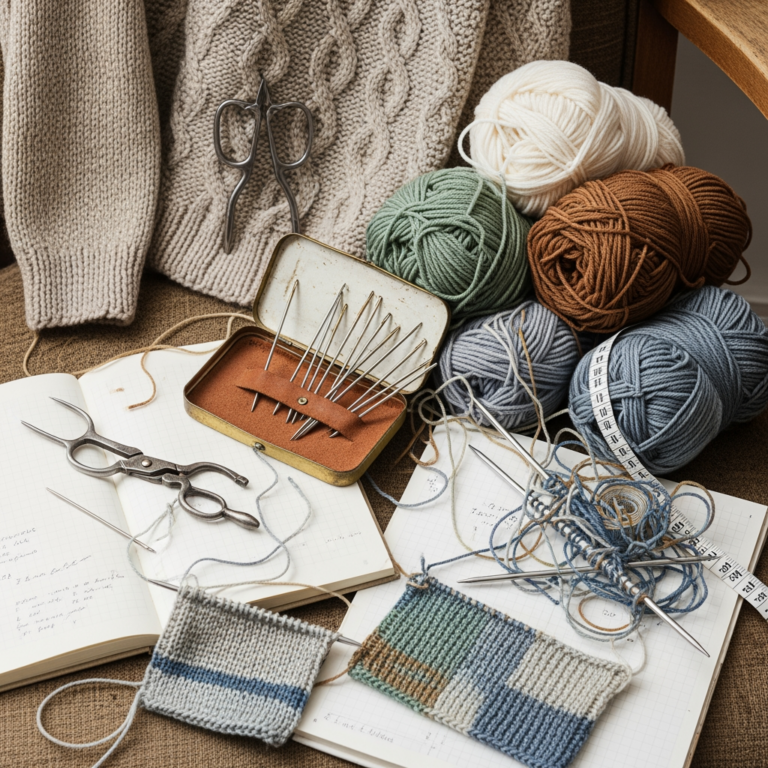
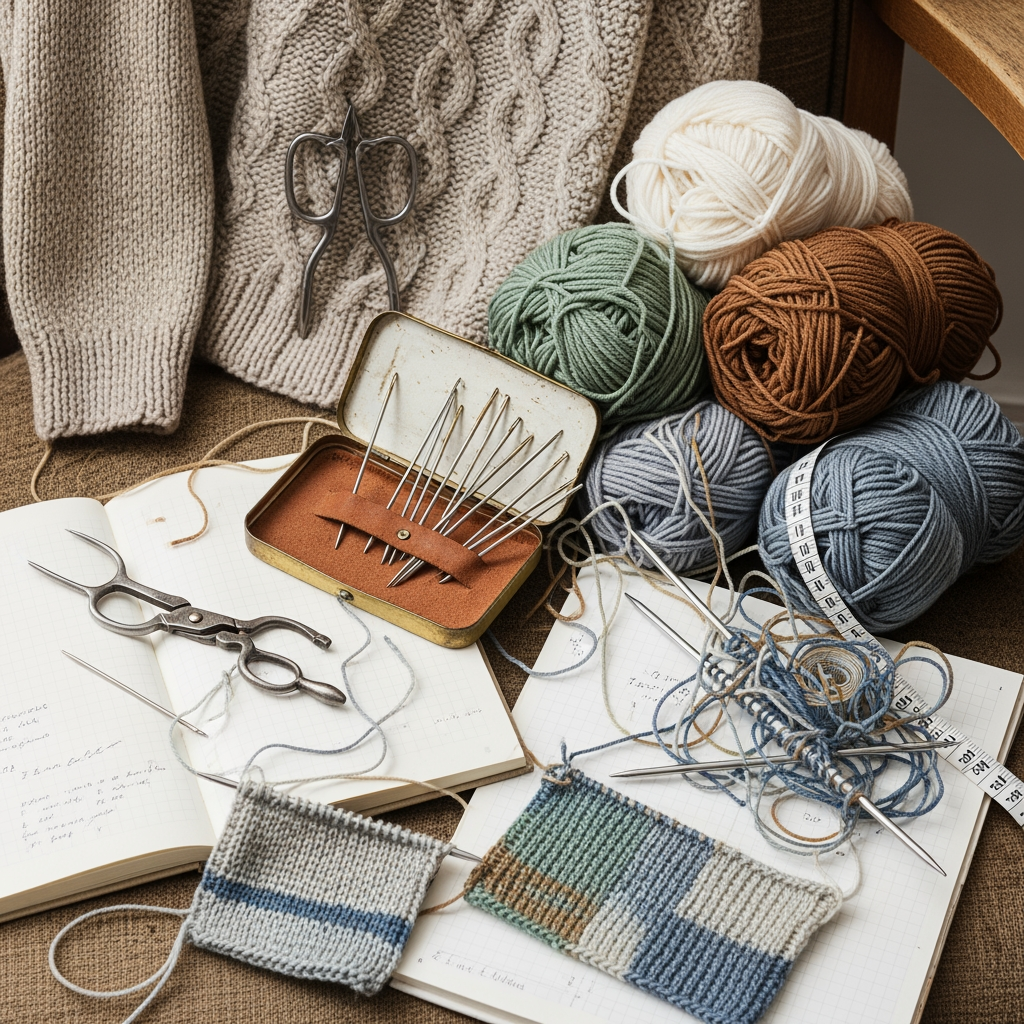
There is nothing more heartbreaking than finishing a complex, weeks-long project only to have your darning needle snag a delicate fiber or rust during a long-term storage phase. Choosing the right needle is an often-overlooked step that can protect your hard work from unnecessary damage. These tools are the final bridge between a loose end and a professional, secure finish. By selecting high-quality, rust-resistant materials, you ensure your ends stay tucked away safely for years to come.
Clover Bent Tip Tapestry Needles: Best Overall


The bent tip on these needles is a total game-changer for anyone who struggles to weave ends into tight, intricate stitch patterns. By angling the tip, Clover allows you to slide under multiple strands of yarn without piercing the individual plies of your finished garment.
If you are working with delicate fibers like silk or high-twist merino, the last thing you want is a sharp point that might split the yarn. These needles glide through the back of your work with ease, making the often-tedious task of finishing feel much faster.
The finish on these is exceptionally smooth, preventing the "drag" that occurs with cheaper, matte-finish needles. They are my go-to recommendation for beginners and experts alike because they reduce the physical strain of weaving in ends.
Bohin Nickel-Plated Steel Darning Needles

Bohin has long been a staple in the sewing world, and their darning needles bring that same level of precision to the fiber arts. These needles are remarkably sturdy, resisting bending even when you are working with heavy, worsted-weight wools that require a bit of force to pull through.
Because they are nickel-plated, they offer a very slick surface. This is a massive advantage when you are working with sticky fibers like mohair or high-friction wools that tend to grab onto everything they touch.
However, keep in mind that the plating can eventually wear down if you are a heavy user who darns ends daily. While they are highly resistant to rust, they don’t last forever, so keep an eye on the surface for any signs of pitting.
Cohana Seki Mini Darning Needle Set

If you value aesthetics as much as utility, the Cohana Seki set is a beautiful addition to any knitting kit. These needles are crafted in the Seki region of Japan, which is world-renowned for its metalwork and blade-making history.
These needles are incredibly sharp and fine, making them perfect for light-fingered work like finishing lace shawls or fine-gauge sock projects. The quality of the steel is top-tier, providing a level of rust resistance that is superior to many mass-produced alternatives.
They are quite small, which is a blessing for precision but can be a challenge if you have arthritic hands or difficulty gripping tiny objects. Treat these as your "special project" needles rather than your everyday workhorses.
Tulip Hiroshima Sashiko Needles for Darning

While technically designed for Sashiko embroidery, these needles are an absolute dream for darning in ends on heavy-weight or rustic wool projects. They are incredibly strong and feature a polished eye that doesn’t fray your yarn as you pull it through.
The unique geometry of these needles allows them to pass through dense fabric with minimal resistance. If you are finishing a thick, cabled sweater, these needles will punch through the structure without you needing to fight the fabric.
They are a bit of an investment, but the durability of the steel is unmatched. You will find that these stay straight and smooth long after cheaper needles have begun to warp or develop rough spots.
Dritz Finishing Needles with Large Eyes

Dritz needles are the classic, reliable choice that you can find in almost any local craft store. Their defining feature is the extra-large eye, which is a lifesaver when you are working with bulky, unspun, or multi-strand yarns that refuse to fit through a standard needle.
These are not the most "refined" needles on the market, but they are incredibly functional for the price. They are generally made of a durable steel that stands up well to moisture, making them a safe bet for a basic knitting kit.
The trade-off is that the tips can be slightly blunter than high-end Japanese or European brands. If you are working on a very tight gauge, you might find you need to use a bit more pressure to get them through the stitches.
John James Gold Plated Tapestry Needles

Gold plating isn’t just about luxury; it serves a very practical purpose in the world of metal tools. The gold coating is exceptionally smooth and provides a barrier that is highly resistant to oxidation, meaning these needles are among the best for long-term rust prevention.
The surface is incredibly slick, which makes them ideal for weaving in ends on synthetic blends or superwash wools that can sometimes feel "tacky." They glide through the fabric like butter, which is a relief when you have twenty ends to hide on a large garment.
One thing to note is that, like all plated needles, the gold will eventually wear off with heavy use. Once the plating is gone, the base metal is exposed, and you should consider replacing them to prevent any risk of rust.
Susan Bates Finishing Needles for Yarn
Susan Bates is a legendary name in the knitting world, and their finishing needles are designed specifically with the knitter in mind. They are typically made from a lightweight, rustproof material that feels comfortable in the hand even after a long session of weaving.
These needles often come in sets with varying sizes, which is essential if you switch between lace-weight and bulky-weight projects. Having the right diameter needle for your yarn weight is just as important as the needle material itself.
They are a fantastic "utility" option. You won’t find them in a fancy display case, but you will find that they do exactly what they are supposed to do every single time you pick them up.
Essential Features of Rustproof Darning Tools
When shopping for darning needles, your primary goal is to find a high-quality steel base that has been properly treated. Look for terms like "high-carbon steel" or "nickel-plated," as these indicate a level of manufacturing that prioritizes longevity.
The eye of the needle should be polished and free of any burrs or rough edges. A rough eye will catch your yarn fibers, causing them to fray and break, which ruins the integrity of your hard-earned work.
Finally, consider the tip shape. A rounded, blunt tip is generally safer for knits because it pushes fibers aside rather than piercing them. A sharp tip is only necessary for very dense fabrics or specific embroidery techniques.
Steel vs Nickel Plated: Which Should You Use?
Steel needles are the gold standard for durability, but they must be kept dry and clean to prevent rust. If you live in a humid climate, steel needles can develop "surface bloom" if left out in the open, which can then transfer to your precious hand-knits.
Nickel-plated needles offer a protective barrier that makes them highly resistant to rust and provides an incredibly smooth, low-friction surface. They are excellent for beginners because they slide through yarn with almost zero effort.
The main trade-off is that some knitters have nickel sensitivities. If you notice any skin irritation after using these needles, switch to a high-quality stainless steel or gold-plated option immediately.
How to Properly Store Your Darning Needles
Never leave your darning needles stuck into your knitting project for long periods of time. Even if the needle is rustproof, the moisture from your skin or the environment can get trapped against the yarn, creating a perfect breeding ground for oxidation.
Invest in a dedicated needle case or a magnetic pincushion to keep your tools organized and dry. A small silica gel packet placed in your sewing kit can also do wonders to absorb ambient moisture and protect your metal tools.
Finally, wipe your needles clean with a soft, dry cloth after every use to remove any skin oils. This simple habit will significantly extend the life of your needles and keep them performing like new for years.
Investing in high-quality darning needles is one of the simplest ways to elevate your knitting practice from "homemade" to truly professional. By focusing on rustproof materials and the right tip shape for your specific fiber, you protect your projects from unnecessary wear. Take the time to care for your tools, and they will help you secure your hard work for a lifetime of wear. Happy knitting, and may your ends always be perfectly hidden.