7 Best Needle Points For Sharp Lace Work To Use
Master intricate lace with the right tools. We explore 7 top needle points designed for precision, durability, and smooth stitching in fine fabric projects.
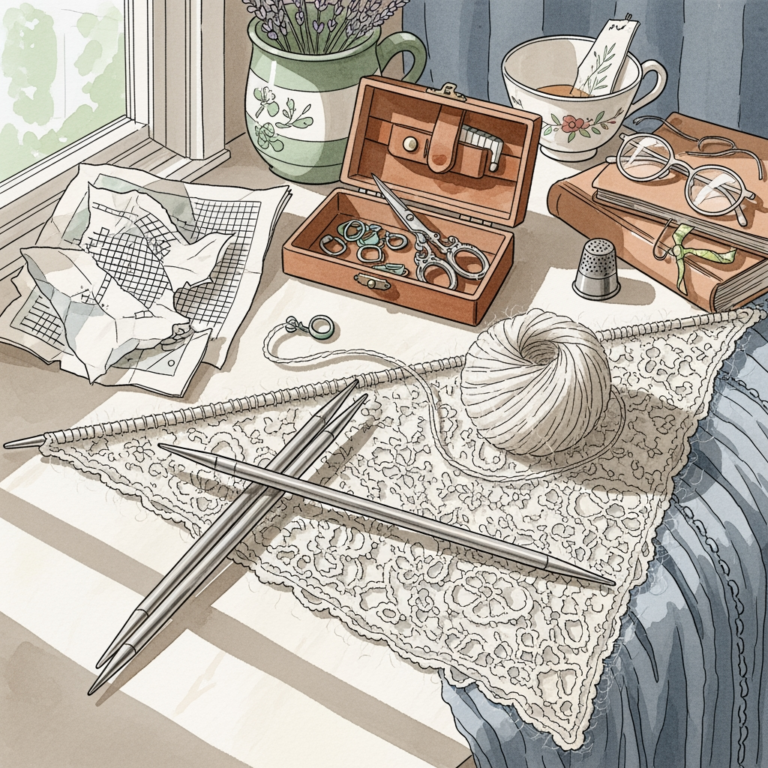
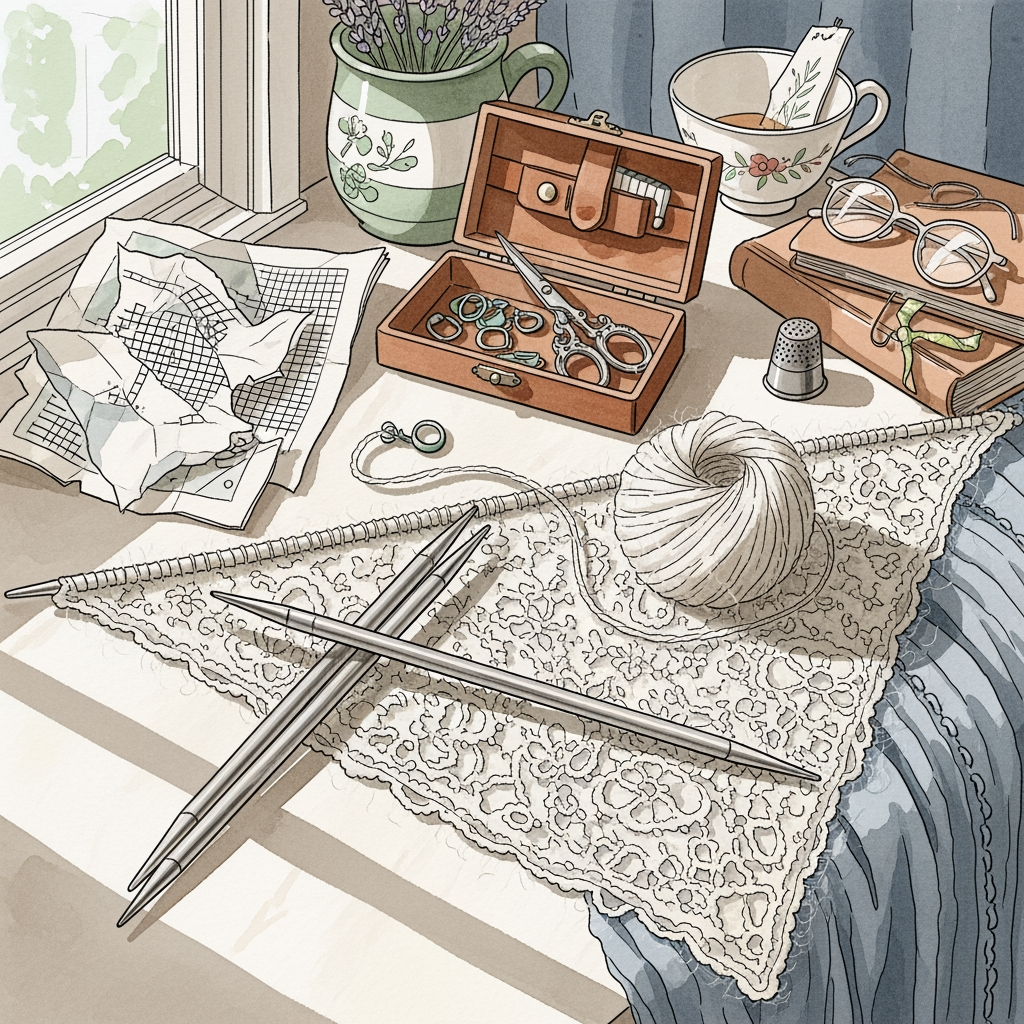
When you are deep into a complex lace chart, the difference between a frustrating session and a meditative flow often comes down to your needle tips. Sharp points are the secret weapon for picking up multiple loops or executing precise decreases without splitting your yarn. Choosing the right tool isn’t just about brand loyalty; it is about matching the physical geometry of the needle to your specific knitting style. Let’s explore the top contenders that make intricate lace work a joy rather than a chore.
ChiaoGoo Red Lace: The Gold Standard for Sharpness
ChiaoGoo Red Lace needles have earned their reputation for a reason: they are arguably the sharpest needles on the market. The tip is tapered to a fine, needle-like point that makes navigating tight, multi-stitch decreases feel effortless.
If you are working with thin, high-twist fingering weight wool, these tips will slide into stitches without snagging a single ply. The stainless steel finish provides just enough glide to keep your speed up without being so slippery that you lose control of your work.


However, be warned: these tips are genuinely sharp. If you have a habit of pushing the needle tip with your index finger, you will likely need a leather thimble or a silicone tip protector.
HiyaHiya Sharp Stainless Steel: Precision Tips

HiyaHiya Sharp needles offer a similar level of precision to the ChiaoGoo line but with a slightly different feel. The taper is long and sleek, allowing you to manipulate yarn overs and complex cable crossings with surgical accuracy.

The hollow construction makes these needles incredibly lightweight, which is a massive benefit when you are working on a massive lace shawl that takes hours to complete. You won’t experience the wrist fatigue that often comes with heavier metal needles.
Their swivel cables are also a standout feature, as they prevent the cord from coiling up while you work. For lace knitters who rotate their needles frequently, this mechanical advantage is a game-changer.
Addi Rocket Squared: Ergonomic Lace Performance
Addi Rocket Squared needles combine the sharpness of a lace needle with a unique, textured square shape. The subtle edges of the shaft provide a surprisingly firm grip, which is helpful if you suffer from hand strain or arthritis.

The "Rocket" tip is specifically designed to be sharp enough for lace but rounded enough to prevent piercing your fingers. This is a great middle-ground for knitters who find traditional sharp needles a bit too aggressive.
Because the shaft is square, you may notice your stitches sit differently on the needle. This often results in a more consistent, even gauge, which is vital for the open, airy look of delicate lace.
Signature Needle Arts: Stiletto Point Precision
Signature Needle Arts needles are the luxury choice, offering a "stiletto" point that is engineered for extreme detail. These are machined to perfection, ensuring that every needle in the set feels identical in your hands.
The primary benefit here is the weight and balance of the aluminum. They feel substantial and professional, giving you a sense of stability when you are working on lace patterns that require complex stitch manipulation.
While the price point is higher, the durability is unmatched. These are "buy it for life" tools that will serve you through decades of lace projects.
KnitPicks Options Nickel: Smooth Lace Transitions
KnitPicks Options Nickel needles are the workhorse of the lace knitting world. They are exceptionally smooth, allowing stitches to slide effortlessly from the needle to the cord, which is critical when working with sticky fibers like mohair or alpaca.
The tips are sharp enough for lace, though perhaps not as aggressive as the ChiaoGoo Red Lace. For many knitters, this is actually a benefit, as it prevents the needle from splitting the yarn during rapid-fire knitting.
They are an excellent entry point for those just starting to explore lace. You get a reliable, high-quality tool without the steep investment of premium brands.
Lykke Cypra Copper: Sharp Tips for Lace Detail
Lykke Cypra needles are made from solid copper, which provides a unique tactile experience. Copper has a natural warmth and a slight "drag" that some knitters find helpful when working with slippery silk or bamboo yarns.
The tips are beautifully tapered and sharp, making them excellent for intricate lace work. Over time, the copper will develop a patina, giving your needles a character that feels personal to your knitting journey.
Note that because they are copper, they are heavier than stainless steel or aluminum. If you are a fast, flicking-style knitter, you might find the weight takes a little adjustment period.
Kollage Square Needles: Firm Grip Lace Knitting
Kollage square needles are designed to help you maintain a consistent gauge, especially when working with slippery fibers. The firm grip provided by the square shape allows you to hold the needle with less pressure, reducing hand fatigue.
The tips are quite sharp and well-suited for lace, making it easy to pick up stitches for borders or complex motifs. Their unique finish is also very smooth, ensuring your yarn moves freely even on the square edges.
If you find that your lace knitting looks uneven, the square geometry of these needles can actually help "train" your stitches to sit more uniformly. They are a practical solution for knitters who struggle with tension consistency.
Why Sharp Needle Points Matter for Lace Projects
In lace knitting, you are frequently working with decreases like K2tog (knit two together) or SSK (slip, slip, knit). A dull needle tip makes it difficult to insert the needle into two or three stitches at once, often leading to split plies or dropped stitches.
Sharp points allow you to "pick" the yarn precisely. This is essential when working with lace-weight yarns, where the individual plies are delicate and easily damaged.
Ultimately, a sharp needle reduces the physical resistance of the knitting process. When your needle slides into the stitch with zero effort, you can focus entirely on the pattern rather than the mechanics of the stitch.
Material Matters: Metal vs Wood for Lace Knitting
Choosing between metal and wood often comes down to the yarn you are using. Metal needles, like those mentioned above, are generally preferred for lace because they are slick and sharp, which facilitates the rapid movement required for complex charts.
Wood needles, however, offer a "grip" that can be helpful when working with very slippery yarns like silk or rayon. If you find your stitches are sliding off your metal needles too easily, a high-quality polished wood needle can provide the necessary friction.
- Metal: Best for speed, sharp points, and non-sticky fibers.
- Wood: Best for control, slippery yarns, and long-term comfort.
- Composite: Some knitters prefer a mix, using metal for the tips and wood for the shaft.
How to Select the Perfect Point for Your Pattern
When selecting a needle, always look at the yarn’s fiber content and the complexity of the lace. If you are working with a fuzzy mohair, a smooth metal needle is mandatory to prevent the fibers from tangling.
If you are a tight knitter, avoid needles that are too sharp, as they can pierce your skin or the yarn itself. Instead, look for a "lace-lite" point that offers sharpness without the needle-like end.
Finally, consider your knitting environment. If you knit while traveling, a sturdy stainless steel needle is less likely to break in your bag than a delicate wooden one. Always match the tool to the task, and don’t be afraid to experiment with different brands until you find the one that feels like an extension of your own hands.
Finding the right needle for your lace project is a deeply personal process that evolves as your skills grow. Whether you prefer the surgical sharpness of ChiaoGoo or the ergonomic grip of a square needle, the goal is always to remove obstacles between you and your pattern. Trust your hands, pay attention to how your yarn behaves, and don’t hesitate to swap your tools if a project feels like a struggle. Happy knitting, and may your lace stitches always be crisp and clear.