6 Best Needle Tips For Lace Weight Projects
Master lace knitting with our top 6 needle picks. Discover the best materials and tip shapes to ensure smooth, snag-free work for your delicate projects.
Working with lace weight yarn is an exercise in patience and precision that demands the right tools to succeed. When you are maneuvering through complex yarn-overs and intricate decreases, the needle tip becomes an extension of your own fingers. Choosing the wrong needle can turn a beautiful project into a frustrating tangle of dropped stitches and split plies. This guide explores the best needle options to ensure your next lace masterpiece flows off the needles with ease.
ChiaoGoo Red Lace Stainless Steel Circular Needles
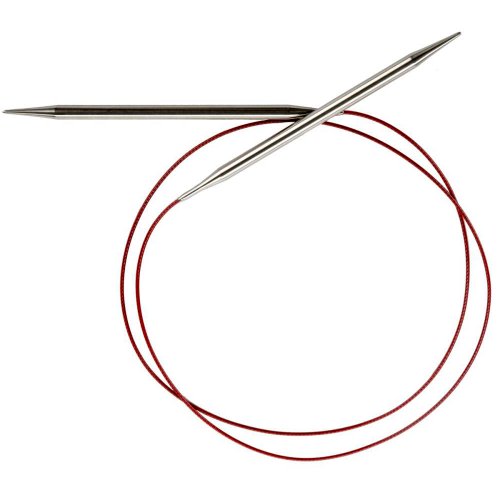

These needles are widely considered the gold standard for lace knitters who crave a surgical level of precision. The tapered, surgical-grade stainless steel tips are incredibly fine, allowing you to pick up even the most stubborn, tightly plied lace weight yarns without splitting them.
The signature red cable is a marvel of engineering, as it is memory-free and never kinks or coils during your project. This is a massive advantage when you are working on a large shawl that requires constant rotation. You won’t have to fight the cord to keep your stitches moving smoothly.
However, the stainless steel surface is very slick. If you are a loose knitter, you might find that your stitches slide off the needles a bit too easily. These are best suited for knitters who appreciate a fast, fluid knitting rhythm.
Addi Rocket Lace Circular Needles for Precision

Addi Rocket needles offer a unique hybrid experience that bridges the gap between a sharp point and a comfortable, rounded base. The extra-fine tips are designed specifically for lace work, yet they lack the "needle-sharp" quality that can sometimes pierce your skin after hours of repetitive knitting.
The finish on these needles is nickel-plated, which provides a bright, smooth surface that helps the yarn glide effortlessly. This is particularly helpful when working with mohair or alpaca blends that might otherwise "grab" onto wood or bamboo surfaces.
One potential drawback is the join between the needle and the cord. While generally smooth, some knitters find that the transition can occasionally snag if you are working with very delicate, single-ply lace yarns. Always check your join before casting on a large project.
HiyaHiya Sharp Steel Interchangeable Needle Set

If you are a fan of complex cable patterns or intricate nupps, the HiyaHiya Sharps are a dream come true. The tapered points are remarkably sharp, making them perfect for executing complicated maneuvers like a k3tog (knit three together) or a ssk (slip, slip, knit) without losing a single strand of yarn.
The interchangeable system is highly versatile, allowing you to switch between needle sizes or cable lengths without moving your work. This is essential when you want to try out a different needle size to perfect your gauge before committing to a full lace weight project.
Be aware that these tips are truly sharp; they can be quite uncomfortable if you have a habit of pushing the needle tip with your index finger. If you are a "pusher," you might want to consider using a leather thimble or opting for a slightly less aggressive tip.
Signature Needle Arts Stiletto Point Needles

Signature Needle Arts needles are a luxury investment, but they offer a level of customization that is hard to beat. The Stiletto point is specifically engineered for lace, offering a dramatic taper that maneuvers through dense stitch patterns with surgical accuracy.
The real beauty of these needles lies in their weight and balance. They feel substantial in the hand, which can help stabilize your tension if you find yourself struggling with the lightness of lace weight yarn. The aluminum construction provides a smooth, consistent surface that doesn’t wear down over time.
Because these are fixed circulars, you are committing to a specific length and size. They are best reserved for your "forever" projects where you know the gauge and cord length are exactly what the pattern requires.
Lykke Cypra Copper Interchangeable Needle Set

The Lykke Cypra set is a unique choice for those who find steel or nickel too cold or slippery. These solid copper needles will develop a natural patina over time, which provides a slight "grip" that can be very helpful when working with slippery silk or bamboo-based lace yarns.
Copper is a warmer material than steel, which can be much more comfortable for knitters who suffer from cold hands or arthritis. The tips are perfectly tapered for lace, offering enough sharpness to handle complex decreases without being dangerously pointed.
Keep in mind that copper is a reactive metal. If you have a high acidity in your skin oils, the needles may tarnish or leave a faint scent on your hands. Frequent wiping with a soft cloth will keep them in top condition for years.
Knitter’s Pride Karbonz Lace Circular Needles
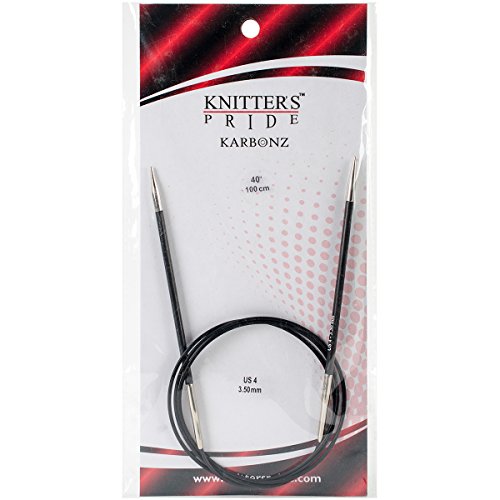
Karbonz needles are a fascinating departure from metal, utilizing carbon fiber to create a needle that is both incredibly lightweight and strong. The nickel-plated brass tips are joined to the carbon fiber shaft, providing the perfect balance of grip and speed.
The carbon fiber body is slightly "grippier" than steel, which is a lifesaver when you are working with very slick, high-twist lace weight yarns. It prevents the dreaded "slide-off" that plagues many lace projects. The transition between the brass tip and the carbon body is seamless, ensuring your stitches don’t catch.
These are an excellent choice for beginners to lace who are still developing their tension control. The material provides just enough resistance to keep your stitches in place, while the sharp metal tip handles the intricate lace work itself.
Why Sharp Tips Are Essential for Lace Knitting
Lace knitting is defined by the manipulation of yarn to create openwork, which requires precise stitch placement. A blunt or rounded needle tip will often split the yarn when attempting to insert the needle into multiple loops simultaneously.
Sharp tips allow you to cleanly enter the stitch, ensuring that every strand of a multi-ply yarn is caught and worked correctly. This is the difference between a clean, professional-looking decrease and one that looks messy or distorted.
When you are working with lace weight yarn, the margin for error is razor-thin. A sharp tip helps you maintain the integrity of the stitch, which is vital for the final blocking process. Without that precision, your lace won’t open up correctly when you wash and pin it.
Selecting the Ideal Needle Material for Lace
- Stainless Steel/Nickel: Best for speed and working with "sticky" fibers like mohair or wool.
- Carbon Fiber: Ideal for slippery yarns like silk or bamboo, offering extra control.
- Copper/Wood: Great for knitters who need a bit of warmth and a non-slip surface to manage tension.
The material you choose should be a direct response to the fiber content of your yarn. If your yarn is naturally slick, look for a needle with more texture. If your yarn is fuzzy or prone to snagging, prioritize a highly polished, smooth metal needle.
Don’t be afraid to mix and match. You might find that you prefer a sharp metal tip for the lace sections but prefer a wooden needle for the stockinette borders of a shawl. Your comfort is the primary factor in your speed and accuracy.
Managing Tension With Fine Lace Weight Yarns
Lace weight yarns can be notoriously difficult to keep consistent, especially when transitioning from a yarn-over to a decrease. If your tension is uneven, your lace will look "holey" in an inconsistent way, which is difficult to fix during blocking.
If you find your tension is too loose, try dropping down a needle size or switching to a needle material with more grip, such as carbon fiber or wood. Conversely, if you are knitting too tightly, a slicker metal needle will help you pull the yarn through more easily.
Remember that lace weight yarn is often delicate. Avoid pulling too hard on the yarn as you work, as this can stretch the fibers and distort the stitch. Let the needle do the work of holding the tension for you.
Maintenance Tips for Maintaining Needle Points
Your needle tips are precision instruments and should be treated as such. Avoid dropping them on hard surfaces, as even a microscopic nick in the tip can turn it into a snagging hazard that will ruin your lace yarn.
After every project, wipe your needles down with a soft, dry cloth to remove skin oils and dust. This is especially important for metal needles, as oil buildup can make them feel "tacky" or slow down your knitting speed.
Store your needles in a protective case rather than loose in a bag. Keeping the tips protected ensures they stay sharp and straight, preventing the frustration of working with a bent or dull needle in the middle of a complex lace chart.
Mastering lace knitting is a journey that starts with choosing the right tool for the job. By understanding the interplay between needle material, tip sharpness, and your own unique knitting tension, you can elevate your craft to new heights. Whether you prefer the lightning-fast speed of stainless steel or the controlled grip of carbon fiber, there is a needle out there that will make your lace projects sing. Take the time to experiment, listen to your hands, and enjoy the delicate beauty of every stitch you create.