7 Best Garment Steamers For Delicate Fibers Reviewed
Discover the top 7 garment steamers safe for delicate fabrics. Our expert reviews highlight the best picks to keep your fine garments wrinkle-free and intact.
Steaming is the secret weapon that transforms a lumpy, uneven project into a professional-grade heirloom. When you’ve spent forty hours on a lace shawl, you need a steamer that respects the integrity of your yarn. Choosing the right tool prevents the dreaded "felting" or "flattening" that can ruin delicate natural fibers. Here are the best steamers to help your knitting reach its full potential.
Rowenta Pro Master: Best for Delicate Knitwear
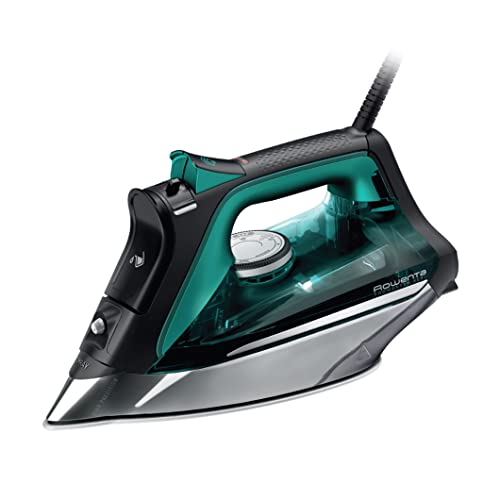

The Rowenta Pro Master is a powerhouse that excels when you need consistent, high-volume steam for larger garments. If you are finishing a heavy wool sweater that requires a bit of coaxing to even out your stitches, this unit provides the steady flow necessary to relax the fibers without soaking them.
The weight of this steamer can be a drawback for some, but that heft is exactly what makes it effective for smoothing out stubborn cables. Because it offers such precise control over steam intensity, you can safely work on dense, cabled wools without the risk of over-steaming and losing the stitch definition.
It is a fantastic choice if you frequently work with rustic, high-twist wools that need a heavy hand to "bloom." Just be careful to keep the plate moving, as the high heat output can be aggressive on more fragile, fine-ply yarns.
Conair ExtremeSteam: Top Choice for Hand Knits
The Conair ExtremeSteam is a favorite in many knitting circles because it balances portability with a surprisingly gentle steam output. It is perfect for those moments when you’ve finished a delicate fingering-weight shawl and just need to nudge the lace points into place.
The dual-heat technology is the standout feature here, allowing you to tailor the temperature to the specific fiber content of your project. If you are blocking a blend of silk and mohair, this control is non-negotiable to avoid singeing the delicate halo of the mohair.
While it lacks the continuous steam time of professional units, its ease of use makes it ideal for quick touch-ups. It is the perfect companion for a knitter who doesn’t have a dedicated space to leave a large steamer set up.
Jiffy Steamer J-2: The Professional Choice
If you are a prolific knitter or run a small business, the Jiffy Steamer J-2 is the gold standard for a reason. It is built to last for decades, and its simple, robust design means there is very little that can go wrong during a blocking session.
The J-2 provides a voluminous, "dry" steam that is incredibly effective at relaxing fibers without leaving your project damp. This is crucial for delicate hand-dyed yarns where excessive moisture might cause the dye to bleed or the structure of the garment to sag under its own weight.

It is an investment piece that takes up significant floor space, so it isn’t for everyone. However, if you are regularly blocking large items like blankets or oversized cardigans, the time saved is worth every penny.
PurSteam Elite: Best Portable Steamer Option
The PurSteam Elite is a compact, no-nonsense tool that is surprisingly effective for its size. It heats up in seconds, which is a lifesaver when you just want to finish that last sleeve and get your project onto the blocking mats.
Because it is so lightweight, you have total control over the direction of the steam. This is vital when you are working on intricate stranded colorwork where you want to ensure the steam penetrates the floats on the back of the work without distorting the front.
It is not designed for heavy-duty, all-day steaming, but it handles single garments with ease. For the knitter who values a clutter-free workspace, this is a highly practical, space-saving solution.
Fridja F1000: Best for Fine Wool and Mohair
The Fridja F1000 stands out because of its focus on garment care, making it an excellent choice for luxury fibers. When you are working with expensive cashmere or fine mohair, you need a steamer that delivers a soft, diffused cloud of steam rather than a harsh jet.
This unit is particularly good at "reviving" a garment that has been sitting in a drawer. The steam output is consistently gentle, which helps to plump up the fibers and restore that soft, fuzzy hand that makes high-end wools so desirable.
The sleek design is a nice bonus, but the real value is in the gentle temperature management. It is a specialized tool that treats your most precious hand-knits with the care they deserve.
Philips Steam&Go: Best for Travel Blocking
The Philips Steam&Go is the ultimate tool for the knitter who never leaves home without a project in their bag. Its slim, ergonomic design allows you to steam your work while it is hanging, which is perfect for final adjustments on a sweater that is already on a dress form.
The heated plate is a game-changer, as it allows you to press down slightly on the fabric to smooth out seams or edges. This provides a level of control that standard handheld steamers simply cannot offer, especially when you are trying to flatten a curling stockinette hem.
It is compact enough to fit in a carry-on, meaning you can block your finished projects even while on vacation. It’s a reliable, travel-friendly workhorse that doesn’t sacrifice performance for size.
Beautural 1200W: Best Budget Steamer Option
The Beautural 1200W is proof that you don’t need to break the bank to get a high-quality finish on your hand-knits. It offers a straightforward, reliable steam flow that is perfect for the beginner knitter who is just starting to build their toolkit.
While it lacks some of the bells and whistles of the professional models, it does the one thing that matters most: it steams effectively. The simple interface is easy to navigate, so you can focus on the blocking process rather than fiddling with complex settings.
It is a great entry-level choice that will serve you well until your knitting habit grows into a full-blown obsession. It’s honest, functional, and gets the job done without any unnecessary fuss.
Understanding Steam Care for Delicate Fibers
Steam is essentially a way to use heat and moisture to relax the twisted fibers of your yarn, allowing them to settle into their new shape. Natural fibers like wool, alpaca, and silk respond beautifully to steam because the heat softens the natural oils and proteins, making them pliable.
However, you must be aware of the "point of no return." Once a fiber is over-steamed, it can lose its elasticity—a process known as "killing" the yarn—which is particularly common with acrylics or high-heat-sensitive synthetics.
- Protein Fibers (Wool, Alpaca, Cashmere): Love steam, but require a light touch to prevent matting.
- Cellulose Fibers (Cotton, Linen, Bamboo): Often require more steam to relax, as these fibers are naturally stiffer.
- Synthetics (Acrylic, Nylon): Use extreme caution; these can melt or permanently lose their "spring" if the temperature is too high.
How to Safely Steam Block Your Hand Knits
The golden rule of steam blocking is to never let the steamer head touch the fabric directly. You want the steam to pass through the fibers, not to iron them flat, which destroys the three-dimensional beauty of your knitting.
Start by pinning your garment to your blocking mats, ensuring you have the correct tension and shape. Hold the steamer at least two to three inches away from the surface, moving in slow, sweeping motions to allow the steam to penetrate the entire thickness of the fabric.
After steaming, resist the urge to touch the garment immediately. Let the piece sit undisturbed for several hours—or even overnight—to allow the fibers to cool and set in their new, relaxed state.
Essential Tips for Preventing Fiber Damage
Always perform a swatch test if you are working with a new or expensive yarn. Steam a small portion of your gauge swatch first to see how the fiber reacts to the heat and moisture before you commit to the entire garment.
Remember that steam is a tool for shaping, not a substitute for proper washing. If your garment is dirty, steam will only set the oils and odors deeper into the fibers; always wash your project properly before the final blocking stage.
Finally, pay attention to the "halo" of your yarn. If you are working with mohair or angora, keep the steamer moving constantly to avoid "flat-spotting" the delicate fuzz, which is the hallmark of a beautiful, airy garment.
Mastering the art of steam blocking is the final, vital step in your journey as a knitter. By choosing the right tool and respecting the unique properties of your fiber, you ensure that every stitch you’ve placed shines. Take your time, stay patient, and let your finished projects reflect the true depth of your craftsmanship. Happy knitting, and may your blocking always be stress-free.