6 Best Flexible Needle Cords For Magic Loop Knitting
Discover the top 6 flexible needle cords for magic loop knitting. We compare durability and memory to help you achieve seamless, snag-free circular projects.
The Magic Loop technique is a transformative skill for any knitter, allowing you to knit small circumferences like socks or sleeves on a single long circular needle. However, the success of this method hinges entirely on the quality and flexibility of your needle cord. A stiff or memory-prone cable can turn a meditative project into a frustrating battle against resistance. Here is a breakdown of the best flexible cords to help you achieve a seamless knitting experience.


ChiaoGoo Red Lace: The Gold Standard for Magic Loop
The ChiaoGoo Red Lace cable is widely considered the industry benchmark for a reason. It consists of a multi-strand steel cable coated in nylon, which provides an ideal balance of strength and suppleness.
When you are pulling the loop through your stitches, you need a cable that doesn’t fight back. These cables have virtually zero memory, meaning they lie flat the moment you take them out of the package.
This lack of "coiling" is vital for Magic Loop because it prevents the cable from twisting while you work. If you are knitting a complex lace shawl or a pair of socks, the last thing you want is a cable that acts like a spring.
Bottom line: If you want a reliable, "set it and forget it" cable that handles the tightest turns, the Red Lace is your best investment.
HiyaHiya Sharp Steel: Superior Flexibility and Flow
HiyaHiya cables are remarkably thin and flexible, making them a favorite for knitters who prefer a very "fluid" feel. Because they are so pliable, they move through the stitches with almost no friction.
This flexibility is particularly helpful when working with fine, slippery yarns like silk or bamboo blends. The connection between the tip and the cable is exceptionally smooth, which minimizes the risk of snagging delicate fibers.
Some knitters find these cables too soft, as they don’t provide much resistance when you are pushing stitches along. However, for the specific mechanics of Magic Loop, that softness is an asset that allows the cable to bend sharply without kinking.
Bottom line: Choose these if you find stiffer cables feel bulky or cumbersome during small-circumference work.
Addi Rocket Cords: The Best for Snag-Free Knitting

Addi is famous for their blue or gold-colored pliable cords that are permanently attached to their needles. These are perfect for knitters who dislike the fiddly nature of tightening keys and interchangeable joins.
The primary advantage here is the seamless transition from cord to metal. Because there is no screw-in join, there is no place for your yarn to get caught or for the cable to unscrew mid-row.
These cords are incredibly soft and drape beautifully over your hands. While they do have a slight "memory" compared to steel cables, they are designed to be steamed or dipped in hot water to relax them perfectly.
Bottom line: If you want a fuss-free, one-piece needle that never comes loose, Addi is the ultimate choice for peace of mind.
Knitter’s Pride Mindful Cords: Smooth and Durable

The Mindful collection features steel-core cables with a distinct, smooth nylon coating. They are designed to be sturdy enough for heavy wool projects while remaining flexible enough for delicate lace.
What sets these apart is the consistent, snag-free rotation at the join. They are engineered to swivel, which helps keep your yarn from twisting as you move the needles in a circular motion.
For knitters who tend to be "tight" in their tension, these cables offer enough structural integrity to hold up to the pressure without snapping. They strike a middle ground between the extreme softness of HiyaHiya and the rigid durability of ChiaoGoo.
Bottom line: These are excellent all-rounders that bridge the gap between performance and affordability.
Lykke Interchangeable Cords: Soft and Memory-Free

Lykke cables are known for being incredibly soft and pliable, often feeling more like a sturdy thread than a plastic tube. They are specifically designed to be "memory-free," meaning they won’t hold a curl after sitting in your project bag.
This is a huge advantage for Magic Loop, as a curled cable can cause the stitches to bunch up at the join. When your cable is soft, the transition from the needle tip to the cable is much less jarring for your hands.
Keep in mind that because they are so soft, they can sometimes feel a bit "floppy" if you are using very long cables for a small project. Ensure you use the right length for your circumference to avoid excess cable clutter.
Bottom line: If you prioritize comfort and a lightweight feel, Lykke cords are the most ergonomic option available.
Clover Takumi Cords: Best Budget-Friendly Option
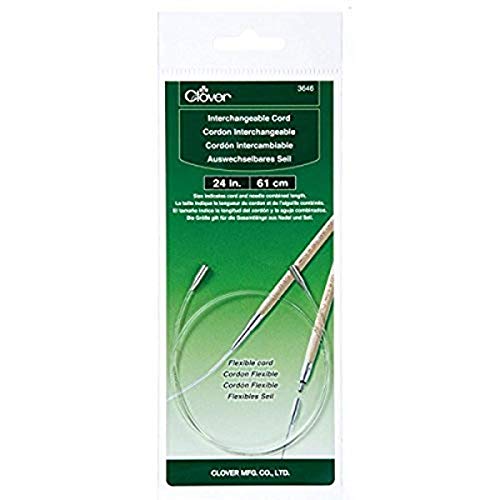
Clover cables are a fantastic entry point for knitters just starting to explore Magic Loop. While they are not as "drapey" as high-end steel cables, they are surprisingly durable and easy to manage.
They are often slightly stiffer, which can actually be helpful for beginners who are still learning how to manipulate the loop. The stiffness acts as a bit of a guide, keeping the cable in a predictable shape as you rotate your work.
While they may develop a slight kink over time, they are very easy to straighten with a quick soak in warm water. They represent a low-risk investment for someone testing out the technique for the first time.
Bottom line: Perfect for beginners or those working on a budget who need a reliable, no-nonsense tool.
Why Cord Flexibility Matters for Magic Loop Success
Magic Loop requires the cable to bend back on itself at two points simultaneously. If the cable is too stiff, it creates a "fighting" sensation where the cable pushes against your stitches, causing you to knit tighter than you intend.
A flexible cable allows the needle tips to sit comfortably in your hands while the excess cable forms a soft, non-intrusive loop. This keeps your tension even across the entire circumference of your project.
When the cable is stiff, you often see "ladders"—those unsightly gaps between stitches—because the cable is pulling the stitches apart at the fold. A flexible cord sits naturally within the fabric, keeping your gauge consistent.
Understanding Memory and Kinking in Needle Cords
"Memory" refers to a cable’s tendency to retain the shape it was stored in. If you store your needles tightly coiled, a cable with high memory will stay coiled when you try to use it, making your knitting feel like you are wrestling with a spring.
Kinking occurs when a cable is bent too sharply or stored improperly, creating a permanent crease in the plastic. Once a cable is kinked, it becomes a permanent snag point for your yarn.
To test a cable’s quality, hold it by the tips and let it hang; it should drape straight down. If it remains in a loop, it has high memory and will likely cause tension issues during Magic Loop knitting.
How to Properly Store Your Circular Needle Cords
Never store your circular needles tightly wound in a small bag. Instead, use a case that allows the needles to lie flat or in large, gentle loops that don’t stress the plastic.
If you have interchangeable needles, detach the cords from the tips when not in use. This prevents the weight of the metal tips from putting unnecessary stress on the join and keeps the cable from taking on a permanent "set."
For cables that have become stiff or coiled, a quick dip in warm (not boiling) water will soften the plastic. Lay them flat on a towel to cool, and they will return to their original, supple state.
Essential Tips for Preventing Cord Snags While Knitting
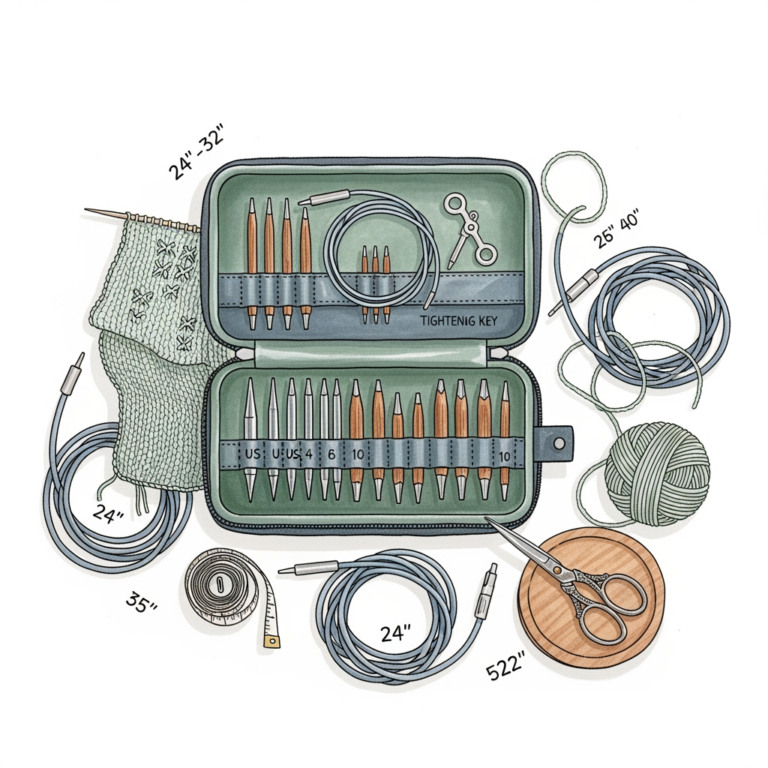
Always check the join between your needle and cable before you start a row. Use the tightening key provided with your needles to ensure the connection is flush and smooth.
If you feel your yarn catching, run your fingernail over the join. If you feel a "step" or a burr, it may be time to polish the join with a fine-grit nail buffer or replace the cable entirely.
Finally, avoid pulling your yarn harshly over the join. If your tension is very tight, try going up half a needle size; this allows the yarn to glide over the join more easily without snagging on the metal transition.
Mastering the Magic Loop is a journey that becomes infinitely more enjoyable when you aren’t fighting your equipment. By choosing a flexible, high-quality cord, you eliminate the physical resistance that often leads to uneven tension and hand fatigue. Whether you prefer the industrial reliability of steel or the soft, pliable nature of nylon, there is a cable out there that will make your knitting feel effortless. Take the time to find the cord that matches your personal knitting style, and watch your projects transform into the smooth, professional pieces you’ve always envisioned.