6 Best Flick Carders For Lock Spinning To Try
Master lock spinning with these 6 top-rated flick carders. This guide evaluates performance and durability to help you choose the best tools for your kit.
Flick carding is the secret weapon for any spinner who wants to transform raw, greasy locks into fluffy, spinnable clouds. By opening the tips of a lock without destroying the fiber structure, you preserve the natural crimp and luster that make handspun yarn so special. Choosing the right tool is the difference between a meditative spinning session and a frustrating afternoon of tangled, knotted fiber. Here are the six best flick carders to consider for your fiber toolkit.
Strauch Petite Flick Carder: The Gold Standard
The Strauch Petite is widely considered the gold standard for a reason: it is built to last a lifetime. Its sturdy handle and high-quality carding cloth provide the perfect tension for opening even the most stubborn, dense locks.
When you are working with high-end fleeces like Border Leicester or long-staple Lincoln, you need a tool that won’t flex under pressure. The Strauch’s rigid construction ensures your energy goes into the fiber, not into bending the tool.
If you are a serious spinner who processes large quantities of raw fleece, this investment pays for itself in efficiency. It is the reliable workhorse that won’t let you down mid-project.
Ashford Fine Flick Carder: Best for Versatility
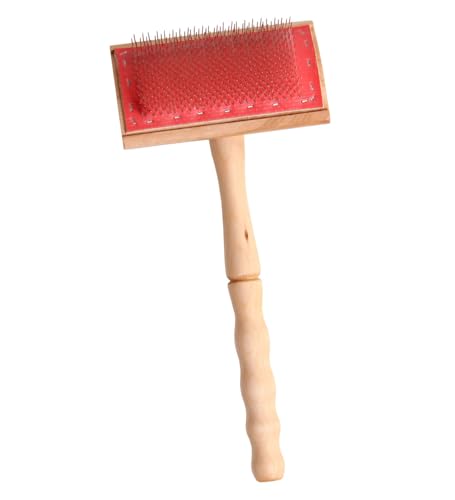

The Ashford Fine Flick Carder is a fantastic all-rounder that excels with finer, more delicate fibers. Because the carding teeth are set with a higher density, it gently teases apart the tips of fine wools like Merino or Bluefaced Leicester without snapping the delicate staples.
Many beginners start here because the tool is lightweight and forgiving. It provides enough "grab" to open the tips effectively, but it isn’t so aggressive that it will shred your fiber if your technique is a little heavy-handed.
Keep in mind that while it is versatile, it may struggle with very coarse or heavily felted locks. For the average spinner working with a variety of breed-specific fleeces, it is an ideal middle-ground choice.
Howard Brush Flick Carder: Durable Craftsmanship
Howard Brush has a long-standing reputation for professional-grade carding tools. Their flick carder feels substantial in the hand, offering a balanced weight that makes the repetitive motion of flicking much less fatiguing on your wrist.
The wire teeth on these carders are exceptionally well-anchored into the backing. This is crucial because, over time, cheap carders can lose teeth, which creates "bald spots" that lead to uneven drafting during spinning.
If you prioritize longevity and want a tool that feels like a professional instrument, this is a top contender. It is a no-nonsense tool that performs consistently, year after year.
Woolery Handheld Flick Carder: Ergonomic Choice

Spinning is a physical craft, and repetitive motion injuries are a real concern for dedicated makers. The Woolery Handheld Flick Carder is designed with ergonomics at the forefront, featuring a handle shape that reduces strain on the carpal tunnel.
If you find yourself flicking locks for hours at a time, the comfort of your tool is just as important as its performance. This carder allows for a more natural wrist angle, which helps you maintain a steady rhythm without the typical hand fatigue.
While it might look slightly different from traditional designs, its function is unimpeachable. It is a smart choice for any spinner who struggles with hand pain or who wants to prevent it before it starts.
Patrick Green Flick Carder: Precision Performance
Patrick Green tools are known for their precision and high-performance carding cloth. The teeth are angled specifically to catch the tips of the lock while allowing the rest of the fiber to slide through smoothly, which prevents the dreaded "over-carding" of the base.
This is a precision instrument for the perfectionist spinner. If you are aiming for a worsted-spun yarn—where you want the fibers aligned perfectly parallel—this tool helps you achieve that level of control right from the preparation stage.
It requires a bit more finesse to master than a generic carder, but the results are worth the learning curve. Expect a cleaner, more uniform flicked lock every time.
Schacht Spindle Company Flick Carder: Reliability

Schacht is a powerhouse in the fiber arts world, and their flick carder reflects the same quality engineering found in their looms and wheels. It is a robust, dependable tool that bridges the gap between hobbyist and professional equipment.
The carding cloth is high-density and holds up well to the natural oils (lanolin) found in raw fleece. This is important because, over time, lanolin can degrade cheaper materials, leading to a sticky or ineffective surface.
If you want a tool from a brand that stands behind its products, Schacht is a safe and sensible choice. It is a reliable, high-quality staple that belongs in any well-stocked fiber studio.
Understanding TPI: Choosing Your Carding Density
TPI stands for "teeth per inch," and it is the most critical metric when selecting a flick carder. A lower TPI (fewer teeth) is generally better for coarse, long-staple wools, while a higher TPI is necessary for fine, short-staple fibers.

If you try to flick a coarse, heavy-staple fleece with a very fine-toothed carder, you will find the tool gets stuck and shreds the fiber. Conversely, using a coarse carder on fine Merino will result in a messy, poorly opened lock.
Always match your carder density to the breed of sheep you are processing. If you primarily spin mid-range wools like Corriedale, a medium-density carder is your best bet for a versatile, all-purpose experience.
Proper Flick Carding Technique for Clean Locks
The goal of flick carding is to open the tips, not to turn the entire lock into a batt. Hold the butt end of the lock firmly in one hand and "flick" the tips against the carder using a light, sweeping motion.
Start at the very tips of the lock and work your way back, but never card the entire length of the fiber. If you card too deep into the lock, you will break the staple length, which results in a weaker, more prone-to-pilling yarn.
Think of it as brushing tangled hair: start at the ends and work your way up. Once the tips are opened and airy, you are ready to spin that lock directly from the butt end.
Maintaining Your Flick Carder for Longevity
Your flick carder is a precision tool that requires minimal but consistent maintenance. After every session, use a cleaning brush or a stiff-bristled comb to remove the "noils" (short, broken fibers) and debris left in the teeth.
If you are working with very greasy, raw fleece, the carding cloth can eventually become gummy with lanolin. A light wipe with a cloth dampened with a tiny amount of rubbing alcohol can help, but be careful not to soak the wooden backing.
Store your carder in a dry place, ideally with a cover over the teeth. Protecting the teeth from bending or catching on other items will ensure your tool remains effective for decades of spinning.
Essential Tips for Preparing Raw Fleece for Spin
Before you even pick up your flick carder, take the time to skirt your fleece properly. Removing the vegetable matter (VM), second cuts, and heavily soiled edges will make your flicking process significantly easier and cleaner.
When you are ready to flick, organize your locks by size and quality. Flicking a pile of uniform locks is much faster than switching techniques for every individual piece of fiber you pick up.
Finally, remember that flicking is meant to be a relaxing, tactile part of the process. If you find yourself fighting the fiber, stop, check your technique, and ensure your carder is the right match for the breed you are processing.
Investing in a high-quality flick carder is one of the most impactful upgrades you can make for your spinning practice. By choosing a tool that fits your specific fiber preferences and ergonomic needs, you ensure a smoother transition from raw fleece to beautiful, handspun yarn. Take the time to master your technique, keep your tools clean, and enjoy the meditative rhythm of preparing your own fiber. Happy spinning!