6 Best Scale Weights For Yarn Grams For Accuracy
Achieving precision in knitting requires reliable tools. We review the 6 best scales for weighing yarn in grams to ensure your projects remain perfectly sized.
Precision in your fiber arts studio is the difference between a perfectly finished sweater and a project that runs out of yarn mid-sleeve. Whether you are calculating yardage for a stash-busting project or weighing dye powder for a custom colorway, a reliable scale is non-negotiable. These six tools offer the accuracy required to ensure your knitting remains consistent and stress-free. Choosing the right scale means you can focus on your tension and stitch patterns rather than worrying about running short on yardage.
American Weigh Scales Blade: The Best Overall Pick
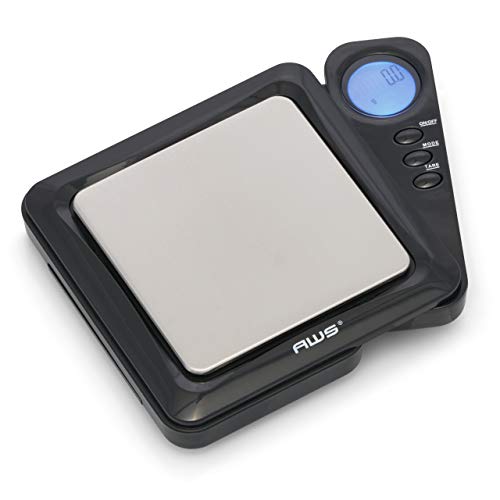

The Blade series is a staple in many professional knitting studios because of its flat, low-profile design. When you are weighing a single, precious skein of hand-dyed merino, you need a surface that doesn’t obscure your view.
This scale is incredibly responsive, picking up even the slightest weight changes as you add or remove yarn. Its portability is a major plus if you frequently pack your knitting supplies for retreats or local guild meetings.
The bottom line: It offers a perfect balance of precision and portability for the average knitter. It is the tool I recommend for those who want a reliable, professional-grade scale that fits easily into a project bag.
Ozeri Pronto Digital Scale: Best Budget Option

If you are just starting to experiment with weighing your yarn for gauge swatches or stash tracking, the Ozeri Pronto is a fantastic entry point. It is straightforward, reliable, and won’t break the bank.
The interface is incredibly simple, with a large, easy-to-read display that prevents errors when you are working in low-light conditions. While it may not have the extreme micro-precision of a jeweler’s scale, it is more than accurate enough for standard weight-based yardage calculations.
The trade-off here is the plastic construction, which feels less robust than higher-end models. However, for a home knitter who keeps their tools on a dedicated craft desk, it is a workhorse that gets the job done.
Etekcity Food Scale: Best for Large Yarn Stashes

When you are auditing a massive stash or weighing several pounds of wool for a large-scale project, you need a scale with a generous platform. The Etekcity scale handles bulk weight with ease, preventing the "tipping" issues common with smaller scales.
This scale is particularly useful when you need to place a large container or a full basket of yarn on the platform to tare the weight. It provides the stability required to ensure you aren’t accidentally knocking your yarn onto the floor while trying to get an accurate reading.
While it is less sensitive to tiny fractions of a gram, it is ideal for inventory management. Use this when you need to know how much total yardage you have for a sweater quantity project.
My Weigh Triton T3: Best for High Precision

For those of you who spin your own fiber or work with expensive, luxury yarns where every inch matters, the Triton T3 is the gold standard. This scale is designed for high-precision tasks and is sensitive enough to measure the weight of a single, small swatch.
It features a protective hard cover that doubles as a weighing tray, which is a brilliant design choice for keeping the scale clean. The accuracy is unmatched, making it the preferred choice for those who need to calculate yarn usage down to the milligram.
The learning curve is slightly steeper due to its advanced settings and calibration requirements. However, if you are doing serious fiber analysis, this is the tool that will provide the data you need.
GreaterGoods Digital Scale: Best User Interface

The GreaterGoods scale is a delight to use because it prioritizes a clean, intuitive user experience. If you find yourself getting frustrated by complex buttons and confusing menus, this is the scale for you.
The backlighting is excellent, and the response time is fast, which is crucial when you are trying to weigh yarn while also managing your needles and patterns. It feels sturdy, well-built, and looks great on any craft table.
It is a fantastic choice for the knitter who wants functionality without the fuss. It delivers consistent, accurate results every time without requiring a manual to operate.
Escali Primo Digital Scale: Best for Durability
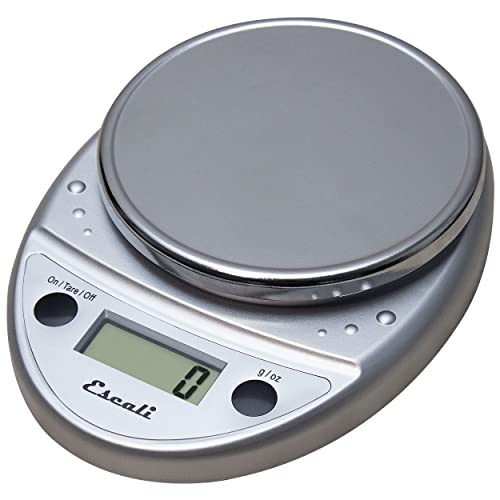
The Escali Primo is legendary in the knitting community for its long-term reliability and rugged build. I have seen these scales survive years of heavy use in busy studios without losing their accuracy.
Its sealed buttons are a major benefit, as they prevent stray yarn fibers or dust from getting inside the housing. This is a common failure point for many scales, making the Primo a much better long-term investment.
While it lacks some of the bells and whistles of more modern, touch-screen scales, it wins on pure longevity. If you want a tool that you can buy once and use for the next decade, this is your best bet.
Why Precision Matters When Calculating Yarn Yardage
Many knitters rely on the yardage listed on the ball band, but that number is often an approximation. When you are working on a project that uses every last inch of yarn, calculating by weight is the only way to avoid the dreaded "yarn chicken."
By weighing your yarn before and after knitting a swatch, you can determine exactly how much yarn your specific tension consumes. This is vital when working with different fibers like linen or silk, which behave very differently than standard wool.
Remember, gauge is a relationship between your needles, your yarn, and your hands. Using a scale to track your usage helps you understand your personal knitting habits and ensures you have enough yarn to finish your projects.
How to Calibrate Your Digital Scale for Accuracy
Even the best scales can drift over time due to temperature changes or movement in your studio. Most digital scales come with a calibration mode that requires a specific weight, usually provided in the box.
If you lose your calibration weight, you can often use a common household item with a known weight, such as a specific coin or a set of measuring weights. Always check your scale’s manual to see if it requires a specific "cal" sequence.
A simple way to check accuracy is to weigh a known object, like a fresh nickel, which weighs exactly 5 grams. If your scale reads anything other than 5.0g, it is time to recalibrate to ensure your measurements remain consistent.
Grams vs Ounces: Understanding Your Scale Settings
Most knitting patterns, especially those from international designers, use grams as the standard unit of measurement. While ounces are common in the U.S., they are often too imprecise for calculating the yardage of individual skeins.
I always recommend setting your scale to grams and keeping it there for all fiber-related tasks. It allows for much finer increments, which is essential when you are trying to maximize your yarn usage for a pattern.
Think of grams as the "language" of the knitting world; it is a universal standard that makes it easier to follow patterns and share data with other makers. Stick to grams to avoid conversion errors and keep your math simple.
Essential Tips for Measuring Yarn for Dye Projects
When you are weighing yarn for hand-dyeing, accuracy is paramount to achieving consistent color results. You need to know the exact weight of the dry, scoured fiber to calculate the correct amount of dye powder needed for your desired shade.
Always weigh your yarn when it is completely dry, as moisture content can significantly alter the weight. If you are dyeing multiple skeins, try to weigh them individually to ensure your dye bath concentration is perfectly balanced.
Finally, keep a notebook with your dye recipes and the corresponding yarn weights. This creates a record of your process, allowing you to replicate your favorite colors or adjust your ratios for future dye sessions.
Investing in a quality digital scale is one of the smartest decisions you can make for your fiber arts practice. By moving beyond estimation and into precise measurement, you gain total control over your yarn stash and project outcomes. Pick the tool that best fits your workspace, keep it calibrated, and enjoy the confidence that comes with knowing exactly how much yarn you have on your needles. Happy knitting, and may your yardage always be sufficient.