6 Best Plastic Pipettes For Small Batch Color Blending
Achieve precise color mixing with our top six plastic pipettes. This guide highlights durable, accurate tools essential for consistent small-batch blending.
Achieving the perfect custom colorway for your next sweater project requires more than just high-quality dye; it demands surgical precision in your mixing process. When you are blending small batches to match a specific gauge or yarn weight, the right tools can make the difference between a cohesive palette and a muddy mess. These six plastic pipettes are the unsung heroes of the dye studio, ensuring that every drop of pigment is accounted for. Mastering these tools will elevate your hand-dyeing from a guessing game to a repeatable craft.
Eisco Labs Graduated Transfer Pipettes: Best Overall


When you are scaling up from a single skein to a sweater’s quantity of yarn, consistency is your biggest hurdle. Eisco Labs pipettes offer a perfect balance of flexibility and structural integrity, making them the gold standard for most home studios.
The graduated markings are clear and easy to read, even when your hands are stained with indigo or acid dyes. This readability is crucial when you are trying to replicate a "recipe" for a specific colorway that you’ve spent weeks developing.
These pipettes are robust enough to withstand repeated use during a long dyeing session. While they are technically disposable, their build quality allows for a quick rinse and reuse, which is a major plus for the eco-conscious knitter.
Karter Scientific 3ml Plastic Pipettes: Best Value

If you are just starting your journey into hand-dyeing, you don’t want to break the bank on laboratory supplies. Karter Scientific provides a high-volume pack that is incredibly cost-effective for those who want to experiment with different color ratios.
Because you get so many in a single pack, you can dedicate one pipette to each primary color without worrying about cross-contamination. This is a lifesaver when you are mixing custom greens or purples and need to keep your base pigments pure.
The 3ml capacity is the "sweet spot" for most small-batch blending. It allows you to draw up enough dye to saturate a mini-skein while still maintaining enough control to add just a single drop for a subtle hue shift.
Fisherbrand Disposable Transfer Pipettes: Best Quality
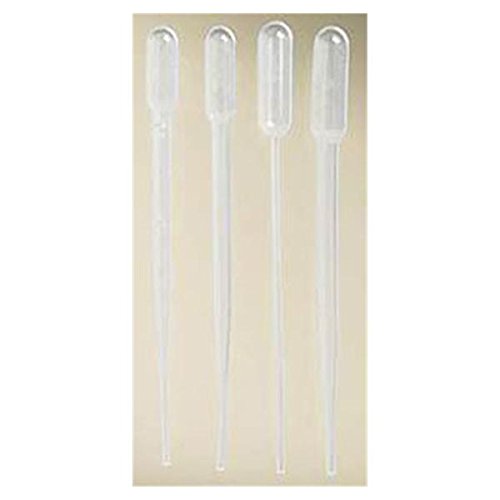
There is a noticeable difference in the plastic quality of Fisherbrand pipettes compared to generic alternatives. They feel firmer in the hand, which prevents that annoying "collapsing" sensation when you are trying to draw up a precise amount of liquid.
For the knitter who values precision, the bulb action here is incredibly responsive. You can pull up exactly 0.5ml of dye concentrate without the meniscus—the curve of the liquid—jumping around or spilling over the sides.
These are the pipettes you want when you are working with expensive, high-concentration pigments. You don’t want a flimsy tool to fail you when you are mere drops away from hitting the perfect shade of heathered grey.
United Scientific 1ml Mini Pipettes: Best Precision

Sometimes, you only need a whisper of color to move a shade from "bright" to "muted." United Scientific’s 1ml mini pipettes are designed for these delicate adjustments, offering unparalleled control over tiny volumes.
When you are working with high-saturation dyes, a single drop can be the difference between a soft pastel and a saturated jewel tone. These pipettes allow you to work with that level of granularity, ensuring your color blending is as precise as your stitch count.
These are particularly useful for testing color samples on small swatches of superwash wool or mohair. You can mix a tiny amount of dye, test it on a scrap of yarn, and adjust accordingly before committing to a full pot.
Globe Scientific Fine Tip Pipettes: Best for Detail

If your dyeing process involves intricate techniques like hand-painting or variegated striping, you need a tool that can act like a brush. Globe Scientific’s fine-tip pipettes excel at targeted application.
The narrow tip allows you to deposit dye directly onto specific sections of a yarn strand. This is essential for creating those subtle, painterly effects that look stunning in complex lace patterns or stranded colorwork.
Because the tip is so fine, it also reduces the amount of dye that gets trapped inside the tube. You waste less pigment, which is a significant factor when working with artisanal, small-batch dyes.
Dynalon Polyethylene Transfer Pipettes: Best Durability

Dye studios can be chaotic environments, and your tools need to survive being dropped, stepped on, or left in a sink full of water. Dynalon’s polyethylene pipettes are remarkably resilient and resist kinking or cracking.
The material used in these pipettes is chemically resistant, meaning it won’t break down or leach when exposed to the acidic environments common in wool dyeing. This durability makes them a great long-term investment for your studio.
If you are the type of knitter who keeps a meticulous log of your dye recipes, you’ll appreciate how these hold up over time. They don’t lose their shape, ensuring that your measurements remain consistent from one season to the next.
Why Pipettes Are Essential for Hand-Dyed Projects
Using a measuring spoon or a kitchen cup for dye concentrates is a recipe for disaster. Pipettes provide the volumetric accuracy required to ensure that your color is uniform across multiple skeins of yarn.
When you are knitting a large-scale project like a cardigan, you need to ensure that the yarn from the first skein matches the last. If your dye measurements are off by even a few milliliters, you risk a visible color break in your fabric.
Pipettes take the guesswork out of the process, allowing you to treat your dye studio with the same professional rigor as your knitting needles. They bridge the gap between "crafting" and "creating a repeatable, professional-grade product."
How to Measure Dye Concentrates for Batch Blending
Always start by calculating your total volume based on the weight of your fiber. A common mistake is to eyeball the dye, but fiber, especially in natural blends like wool-alpaca mixes, absorbs pigment differently based on its moisture content.
Use your pipette to draw up the concentrate slowly, holding it vertically to ensure the meniscus is level with your desired graduation mark. Once you have your measurement, dispense it into your water bath and stir gently to avoid creating air bubbles.
Keep a dedicated notebook for your measurements. Recording the exact pipette volume alongside the yarn type and soak time is the only way to ensure you can recreate that perfect, one-of-a-kind colorway later.
Essential Safety Tips for Handling Fiber Pigments
Even if your dyes are labeled as "non-toxic," you should always treat them with respect. Wear gloves whenever you are handling concentrates, as some pigments can be persistent and stain your skin for days.
Work in a well-ventilated area, especially when mixing powders into liquid form. Avoid inhaling any dust, and always keep your work surface covered with plastic or newspaper to prevent accidental staining of your studio floor.
When you are finished using your pipette, ensure it is disposed of or cleaned according to your local environmental guidelines. Never pour concentrated dye directly down the drain without diluting it significantly first.
Cleaning and Reusing Pipettes for Color Consistency
If you choose to reuse your pipettes, thorough cleaning is non-negotiable. Residual dye trapped in the bulb can ruin your next batch, turning a beautiful sky blue into a muddy, unpredictable green.
Flush the pipette multiple times with warm, soapy water immediately after use. If you are working with particularly stubborn pigments, a quick soak in a mild bleach solution can help, but ensure you rinse it thoroughly before the next use.
Store your cleaned pipettes in a dry, dust-free container. If you notice the plastic becoming cloudy or the bulb losing its suction, it is time to retire the tool; don’t let a failing pipette compromise your hard-earned color work.
Selecting the right pipette is a small but vital step in mastering the art of hand-dyed yarn. By choosing tools that offer the right balance of precision and durability, you set yourself up for success in every color-blending session. Remember that consistency in your measurements is the foundation upon which beautiful, professional-looking projects are built. Trust your tools, keep your logs, and enjoy the transformative power of creating your own unique fiber palettes.