6 Best Stabilizers for Preventing Buttonhole Stretch
Prevent buttonhole stretch with our top 6 stabilizers. Discover the best tools to ensure your garments maintain professional, durable, and clean finishes.
Buttonholes are the Achilles’ heel of even the most beautifully executed hand-knitted cardigans. Without proper reinforcement, the constant tension of a button will inevitably cause the delicate yarn loops to sag and distort. By integrating the right stabilizer, you can ensure your hard work remains structured and functional for years. This guide explores the best tools to preserve your garment’s integrity while maintaining a professional finish.
Dritz Clear Elastic Tape for Buttonhole Support


Clear elastic tape is a secret weapon for knitters who need invisible, high-tension support. Unlike fabric-based stabilizers, this tape provides a slight "snap-back" quality that mimics the natural elasticity of wool.
It is particularly effective for heavy cardigans where the buttonhole is prone to widening under the weight of the garment. Because it is transparent, it won’t show through even the most open-work stitch patterns.
However, be warned: it does not fuse to the fabric. You must carefully anchor it with a few small whip stitches using a matching sewing thread, which requires a steady hand and patience.
Pellon EK130 Easy-Knit Fusible Interfacing

If you want a professional, tailored look, Pellon EK130 is a top-tier choice. It is specifically engineered to move with knit fabrics, meaning it won’t create a stiff, board-like patch behind your buttonband.
The "easy-knit" aspect is crucial because it prevents the dreaded "bubble" effect that occurs when a stiff woven stabilizer is applied to a stretchy yarn base. It fuses securely with a standard iron, effectively locking your stitches in place.
Use this when working with high-twist yarns or superwash wools that have a tendency to grow during wear. It offers the best balance of structure and drape for medium-weight projects.
Sulky Totally Stable Iron-On Tear-Away Stabilizer

Sulky is a lifesaver for knitters who find fusible products too permanent or intimidating. This product fuses temporarily to hold your stitches in place while you work your buttonhole, but tears away cleanly afterward.
It is an excellent choice for delicate fibers like alpaca or cashmere, where you might be worried about the heat of an iron damaging the yarn’s luster. It provides just enough rigidity to prevent the yarn from snagging on your needle during the buttonhole construction.
Keep in mind that since it is a tear-away product, it doesn’t provide long-term reinforcement once removed. It is best used as a construction aid rather than a permanent structural support.
HeatnBond Lightweight Fusible Interfacing Strips
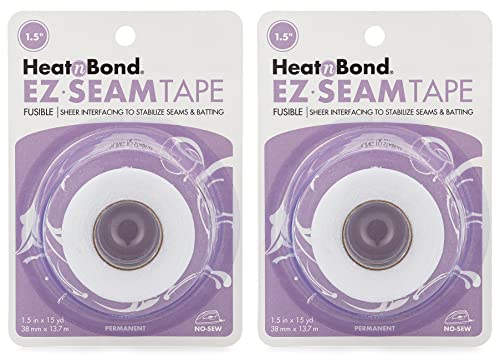
These pre-cut strips are a dream for those who want to avoid the mess of measuring and cutting interfacing. They are designed for convenience and provide a consistent, lightweight barrier against stretching.
They work exceptionally well for narrow buttonbands where precision is key. Because they are lightweight, they won’t add unnecessary bulk to your buttonhole, which is vital if you are using small, delicate buttons.
Always test your iron temperature on a swatch first; synthetic-heavy yarns can melt if the heat is too aggressive. These strips are a reliable, "set it and forget it" solution for most everyday knitting projects.
Vilene G785 Lightweight Woven Fusible Interfacing

Vilene G785 is widely considered the gold standard among garment sewers, and it translates beautifully to knitwear. It is incredibly soft and supple, yet it provides remarkable stability to prevent stretching.
Because it is a woven base, it offers more structural integrity than non-woven options. This makes it ideal for heavier garments like wool coats or thick, cabled cardigans that put significant stress on the buttonhole.
It is worth the extra effort to source this specific brand, as its adhesive quality is superior to generic alternatives. It will not peel away after repeated washings, ensuring your buttonholes remain pristine.
Steam-A-Seam 2 Double Stick Fusible Web Tape

This product is unique because it is sticky before you even touch it with an iron. This "positionable" feature allows you to place the stabilizer exactly where you want it without it shifting during the pressing process.
It is a fantastic tool for beginners who struggle with the placement of fusible strips. The double-sided nature allows you to fuse the buttonband layers together, creating a solid, reinforced sandwich of fabric.
Be cautious, though: it is quite aggressive. Once it is fused, it is very difficult to reposition, so ensure your placement is perfect before applying the heat.
Why Buttonholes Stretch in Hand-Knitted Garments
Hand-knitted fabric is essentially a series of interlocking loops, which are inherently dynamic and prone to movement. When you force a button through these loops, you are physically stretching the yarn beyond its resting state.
Over time, the yarn loses its "memory"—its ability to bounce back to its original shape. This is particularly common in superwash wools, which are treated to be slippery and can easily slide out of alignment.
Furthermore, gravity plays a role; a heavy cardigan pulls downward on the buttonhole, elongating the hole into an oval. Reinforcement is not just a preference; it is a necessity for the longevity of your garment.
How to Apply Fusible Stabilizers to Knit Fabrics
The most important rule is to always use a pressing cloth between your iron and the knitting. Direct contact with a hot iron can flatten the loft of your yarn and create an unattractive, "pressed-out" look.
Apply the stabilizer to the wrong side of the buttonband before you finalize your buttonholes. Use a "press and lift" motion rather than sliding the iron back and forth, which can distort the stretch of the knit fabric.
Ensure your iron is set to a steam-free setting, as excess moisture can cause the stabilizer to bubble or lose its bond. Patience during the cooling process is key; let the fabric sit undisturbed until it is completely cool to the touch.
Choosing the Right Stabilizer for Yarn Weight
For lace-weight or fingering-weight yarns, choose the lightest, most sheer stabilizer you can find. Adding a heavy interfacing to a delicate fabric will create an obvious, unsightly weight discrepancy.
For worsted or bulky yarns, you can afford a slightly sturdier, woven interfacing. These yarns have more "body," so they can handle a more substantial stabilizer without looking artificial.
Always consider the fiber content: plant fibers like cotton have zero elasticity and need more reinforcement than wool. If you are using a blend, lean toward the more "difficult" fiber’s needs when selecting your stabilizer.
Troubleshooting Common Buttonhole Reinforcement
If your stabilizer is peeling, it usually means your iron wasn’t hot enough or you didn’t apply enough pressure. Try increasing the pressure, but keep the temperature consistent to avoid damaging the fibers.
If your buttonhole feels too stiff, you may have used an interfacing that is too heavy for your yarn weight. In this case, try trimming the stabilizer closer to the buttonhole edge to reduce the surface area of the stiffened fabric.
Lastly, if you see the stabilizer peeking through the buttonhole, use a tiny bit of fabric glue or a matching thread to tuck it back. Precision during the initial application is always easier than fixing a mistake later.
Reinforcing buttonholes is the mark of a knitter who cares as much about the internal structure of a garment as the external stitch pattern. While it may feel like an extra step, the peace of mind that comes with a non-stretching buttonhole is well worth the effort. Choose your stabilizer based on your yarn’s weight and fiber content, and your knitwear will look as polished as a store-bought piece. Happy knitting, and may your buttons always stay securely in place!