6 Best Moth-proof Containers For Long-term Storage
Protect your wardrobe from pests. We review the 6 best airtight, moth-proof containers to keep your clothes safe and preserved during long-term storage.
Protecting a collection of hand-knits or a stash of luxury wool is a labor of love that shouldn’t end in heartbreak. Over two decades of knitting, I have learned that the difference between a pristine heirloom sweater and a pile of moth-eaten yarn often comes down to the quality of your storage. Choosing the right container is the first line of defense against the devastating reality of larvae damage. Here are the best solutions to keep your fibers safe for years to come.
The Container Store Weathertight Totes: Best Overall


These totes are the gold standard for long-term storage because they feature a genuine silicone seal that locks out moisture and pests. When you are storing hand-dyed wools that are sensitive to humidity, this airtight barrier is worth every penny.
The reinforced lid is sturdy enough to stack several bins high without bowing or warping. This is a huge benefit for those of us with limited closet space who need to maximize vertical storage for our yarn collections.
However, remember that these bins are rigid. If you try to force too many sweaters into one, you risk compressing the fibers, which can permanently alter the loft of your yarn. Keep your storage loose and breathable inside the seal to maintain the integrity of your stitches.
Sterilite Gasket Box: Best Budget-Friendly Option
If you are just starting to build your stash and don’t want to break the bank, these gasket boxes are a reliable middle ground. They utilize a silicone seal similar to more expensive models, providing a tight closure that deters moths effectively.
I often recommend these for storing finished projects that you only pull out for special occasions. Because they are transparent, you can easily identify which sweater or shawl is inside without breaking the seal and exposing the contents to the air.
The trade-off here is the durability of the latches. Over years of repeated opening and closing, the plastic clips can become brittle or snap, so handle them with care. Treat these as a solid, functional baseline for your collection.
IRIS USA Airtight Storage Bins: Best for Visibility
Visibility is a massive advantage when your yarn stash spans dozens of colorways and fiber types. These IRIS bins offer a crystal-clear view, allowing you to find that specific skein of lace-weight mohair without rummaging through every box.
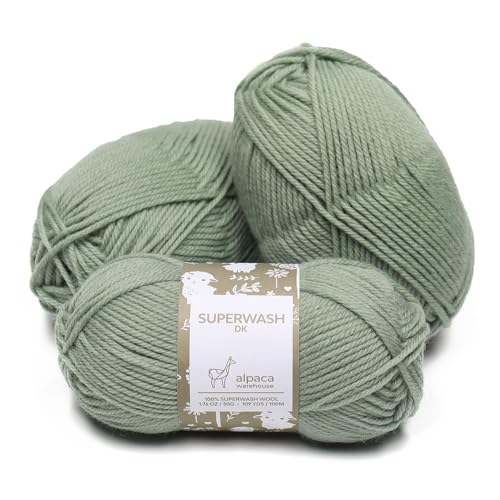
The design is specifically focused on an airtight seal, which is critical for keeping out the tiny larvae that cause the most damage. I find these particularly useful for organizing by project type or fiber content, such as keeping all your superwash wools separate from delicate alpaca blends.
Just be aware that the clear plastic can be slightly more prone to cracking if dropped or handled roughly. Always store these in a cool, dark place, as direct sunlight can degrade the plastic and potentially affect the colorfastness of your stored yarns over time.
Rubbermaid Brilliance Pantry: Best for Small Stashes
Sometimes you don’t need a massive bin; you just need to protect a few precious hanks of hand-spun or rare breed wool. These pantry containers are exceptional for smaller quantities because they are completely airtight and stack beautifully.
Because they are designed for food, they are incredibly well-engineered to keep out even the smallest contaminants. I use them to store leftover luxury fibers, like silk or cashmere blends, that are too small for a large bin but too valuable to leave exposed.
The clear plastic allows you to see the yarn’s texture and color at a glance. Just ensure you aren’t overstuffing them, as these containers are rigid and don’t offer any "give" for bulky projects.
Ezy Storage Waterproof Tubs: Best Heavy-Duty Pick

When you are storing a large collection in a basement or garage, you need a container that can handle environmental fluctuations. These tubs are designed to be waterproof, which means they are naturally more resistant to the tiny gaps that moths exploit.
The heavy-duty construction is ideal for long-term archival storage. If you are packing away a collection of heirloom sweaters that you won’t touch for years, these provide the most robust physical barrier available.
The downside is their weight and size; they are not intended for frequent access. If you are constantly switching out your knitting projects, you might find the heavy-duty latches a bit cumbersome to operate on a daily basis.
Whitmor Clear Storage Bags: Best Soft-Sided Choice

Soft-sided bags are a lifesaver when you have odd-shaped items or limited shelf dimensions. While they aren’t as impervious as hard plastic, these bags feature a high-quality zipper that provides a decent seal against pests.
These are excellent for storing bulky items like hand-knit blankets or oversized cardigans that don’t fit well in rigid bins. They allow the fibers to settle naturally without being crushed by hard walls.
Use these only in environments where you are confident there is no existing moth activity. Because the material is flexible, it is easier for a determined pest to find a weak point compared to a hard-sided gasket box.
How to Properly Clean Textiles Before Long Storage
Never store a project that has been worn, even once, without washing it. Moths are attracted to the microscopic traces of skin cells, oils, and food particles that cling to fibers, even if we cannot see them.
- Wash according to fiber: Use a gentle wool wash for protein fibers like wool, alpaca, and mohair.
- Ensure complete dryness: Moisture is the enemy; if your project is even slightly damp, it will become a breeding ground for mold and mildew.
- Check for stains: Food spills are a beacon for pests, so ensure your knits are spotless before they go into storage.
Even if you haven’t worn the item, it is good practice to give it a fresh wash before long-term storage. This removes any dust or environmental contaminants that might have settled on the fabric during the season.
Why Airtight Seals Are Essential for Moth Control
The adult moth is rarely the problem; it is the larvae, which are microscopic and highly mobile, that do the damage. An airtight seal is the only way to ensure that a pregnant moth cannot gain entry to lay her eggs on your favorite sweater.
Standard plastic bins with simple snap-on lids are insufficient because they leave small gaps at the corners. A gasket seal creates a physical barrier that larvae simply cannot navigate.

Think of it as a security system for your stash. If there is a gap, they will find it, especially if the container is sitting in a dark closet for months at a time.
Essential Natural Deterrents for Fiber Protection
While airtight containers are your primary defense, adding natural deterrents provides an extra layer of security. Cedar blocks and lavender sachets are the traditional favorites for a reason, as their scents are naturally repellent to moths.
- Cedar: Refresh the scent by lightly sanding the wood every few months.
- Lavender: Use dried organic buds in breathable cotton bags to keep your stash smelling fresh.
- Avoid mothballs: They contain harsh chemicals that linger in fibers and are toxic to both you and your pets.
Place these inside the container, but ensure they aren’t touching the yarn directly. Essential oils can sometimes leave a residue on delicate fibers, so it is best to keep them tucked into a corner or inside a small pouch.
Frequently Asked Questions About Moth Prevention
How often should I check my stored yarn? I recommend doing a "stash audit" at least twice a year. Open your bins, shake out your projects, and inspect them for any signs of webbing or damage.
Can I use vacuum-seal bags? While they save space, I generally advise against them for long-term storage. Compressing natural fibers for months can damage the loft and elasticity of the yarn, making your sweaters feel flat when you finally take them out.
What should I do if I find damage? If you see signs of moths, immediately isolate the affected item in a sealed plastic bag. You can try freezing the item for 72 hours to kill any larvae, but if the damage is extensive, it may be time to say goodbye to that project to save the rest of your collection.
Protecting your knitting collection is an essential skill that evolves alongside your craft. By investing in quality, airtight storage and maintaining rigorous cleaning habits, you ensure your hard work remains safe for years. Treat your yarn with the respect it deserves, and it will continue to provide warmth and joy long after the bind-off. Happy knitting, and may your stash remain forever moth-free.