7 Best Wooden Needles For Smooth Gliding Worth Trying
Discover the top 7 wooden needles for seamless knitting. We review the best options that offer superior grip, smooth gliding, and comfort for every project.
Finding the perfect needle is akin to finding the right pair of shoes for a long hike; it changes everything about your endurance and comfort. Wooden needles offer a warmth and tactile satisfaction that metal simply cannot replicate, especially during long sessions. Whether you are working with slippery silk or rustic wool, the right wood can transform your tension and stitch definition. This guide explores the best wooden options to help you elevate your craft.
Lykke Driftwood Needles: Best Overall Choice
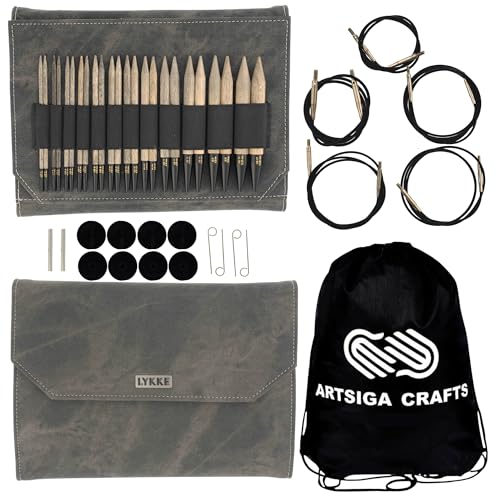

Lykke Driftwood needles have earned their reputation as the gold standard for a reason. They strike a near-perfect balance between the grip required for wool and the smoothness needed for efficient knitting.
The gray, weathered finish is more than just an aesthetic choice. It provides a subtle texture that keeps your stitches from sliding off accidentally, yet it remains polished enough to glide through complex cable patterns without a snag.
These needles are incredibly lightweight, which significantly reduces hand fatigue during marathon knitting sessions. If you are working on a heavy, cabled sweater that takes weeks to complete, the reduced strain on your wrists is a game-changer.
Knitter’s Pride Ginger Needles: Top Ergonomics

Ginger needles are designed for the knitter who values a warm, inviting feel in their hands. The polished, laminated wood feels substantial without being heavy, and the tapered tips are sharp enough for intricate lace work.
What sets these apart is the ergonomic profile of the join. The transition between the needle and the cable is remarkably smooth, preventing the dreaded "yarn catch" that often interrupts your flow when knitting in the round.
If you struggle with hand cramping, the slight warmth of the Ginger wood can be soothing. It is a fantastic choice for those who knit continental style, as the needles glide effortlessly through your fingers without feeling "sticky."
Lantern Moon Ebony Needles: Luxury Craftsmanship

Ebony is a dense, exotic hardwood that creates a needle with a silky, almost glass-like finish. These are the needles you reach for when you want a premium experience that feels like an extension of your own hands.
Because the wood is so dense, it can be polished to a higher sheen than softer woods. This makes them ideal for knitters who want the warmth of wood but find themselves missing the speed of nickel-plated metal needles.
The liquid silk finish is particularly beneficial when working with delicate fibers like alpaca or mohair. The needles minimize friction, ensuring that the fuzzy halo of your yarn doesn’t snag or pill as you work your stitches.
KnitPicks Caspian Needles: Best Budget Option

Caspian needles prove that you don’t need to spend a fortune to get a high-quality, reliable tool. These birch needles are laminated and dyed in beautiful sea-foam hues, offering a sturdy feel that holds up well over time.
For beginners, these are an excellent entry point into the world of wooden needles. They provide enough "grab" to help you control your tension, which is often the biggest hurdle when learning how to manage your yarn and needle size.
While they may not have the same level of refinement as luxury brands, they are consistent and durable. If you are building your needle library and need a full range of sizes, this is the most practical place to start.
Addi Olive Wood Needles: Smooth Natural Finish

Addi is famous for their metal needles, but their Olive Wood line is a masterpiece of natural engineering. The wood is sourced from sustainable trees and finished with a natural wax rather than a synthetic varnish.
This wax finish gives the needles a unique, soft texture that feels incredibly organic. Over time, the oils from your hands actually condition the wood, making the needles smoother and more personalized the more you use them.
They are an excellent choice for knitters who have sensitivities to synthetic coatings or nickel. The tips are moderately rounded, making them a safe bet for a wide variety of yarns, from smooth cotton blends to rustic, sticky wools.
Seeknit Koshitsu Needles: Precise Point Design

Seeknit Koshitsu needles undergo a high-temperature, high-pressure treatment that densifies the bamboo fibers. This process makes them significantly stronger and more warp-resistant than standard bamboo needles found in craft stores.
The points are exceptionally precise, which is a major advantage for complex stitch patterns like brioche or lace. You can easily pick up multiple loops without the needle tip feeling blunt or clumsy.
These needles are also incredibly quiet. If you knit in public spaces or while watching a movie with family, the lack of "click-clack" noise is a subtle but welcome benefit that keeps your hobby discreet and peaceful.
HiyaHiya Bamboo Needles: Best for Slippery Yarn
If you are working with slippery yarns like bamboo, silk, or superwash merino, you need a needle that provides a bit of resistance. HiyaHiya bamboo needles have a natural grip that helps you maintain even tension.
The bamboo is lightweight and flexible, which is helpful if you have a tendency to grip your needles tightly. The natural give in the material absorbs some of the tension, preventing the stitches from becoming too tight on the needle.
- Best for: Slippery fibers that tend to slide off metal needles.
- Avoid if: You are knitting a very tight gauge, as the friction can make movement difficult.
- Maintenance: Keep them clean to ensure the natural bamboo surface remains smooth.
How to Choose the Right Wood for Your Knitting
Choosing the right wood comes down to balancing your personal tension with the fiber you are using. If you have a loose gauge, a grippier wood like bamboo will help you keep your stitches consistent.
- Slick Fibers (Silk, Rayon, Superwash): Choose a wood with more texture to prevent dropped stitches.
- Sticky Fibers (High-twist wool, Mohair): Choose a highly polished, dense wood to ensure the yarn slides easily.
- Intricate Work: Look for needles with sharper, more tapered points to manage complex maneuvers.
Remember that wood is a natural material that reacts to its environment. Your needle size can technically fluctuate slightly with humidity, though high-quality brands minimize this risk through expert lamination and treatment.
Caring for Your Wooden Needles to Prevent Warps
Wooden needles are susceptible to heat and moisture, which can cause them to warp or crack over time. Never leave your needles in a hot car or near a direct heat source like a radiator.
If your needles start to feel a bit "dry" or lose their luster, you can rub a tiny amount of beeswax or specialized wood conditioner into them. Buff them with a soft cloth to restore the finish and protect the wood fibers.
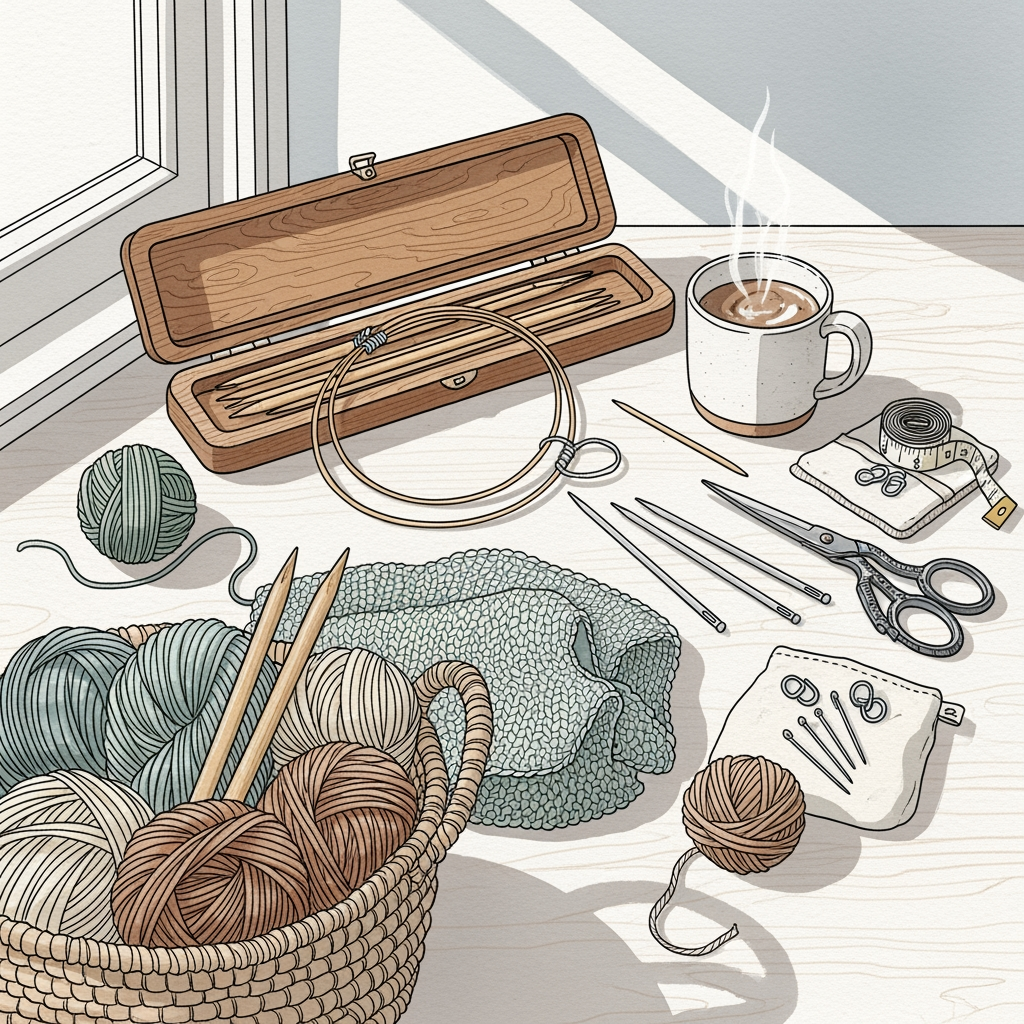
Always store your needles in a flat, dry case rather than leaving them loose in a bag. This prevents them from being bent under the weight of other items, which is the most common cause of needle breakage.
Wood vs Metal Needles: Which Should You Choose?
The debate between wood and metal is ultimately about the experience you want to have. Metal needles are fast and cold, which is perfect for speed knitting or working with very sticky, rustic wools that won’t budge on wood.
Wooden needles, however, offer a tactile warmth that many knitters find more relaxing. They are generally quieter and provide a better grip, making them the superior choice for beginners who are still mastering their tension.
If you find yourself constantly dropping stitches on metal, switch to wood. If you find yourself fighting to slide stitches across your needle, it might be time to try a polished wood or a smooth metal option.
There is no single "perfect" needle, but there is certainly a perfect needle for the project in your lap. By understanding how different woods interact with your yarn and your unique knitting style, you can make every stitch more enjoyable. Take the time to experiment with these options, and you will soon find that the right tool makes even the most challenging pattern a delight to knit. Happy making!