6 Best Tension Rings For Handling Metallic Threads
Master metallic threads with our top 6 tension rings. Discover how these essential tools prevent breakage and ensure smooth, professional stitching results.
Working with metallic threads adds a stunning, reflective dimension to any project, but their slick, non-elastic nature often leaves knitters struggling with uneven tension. These specialized threads tend to slide off needles and resist standard tensioning techniques, leading to unsightly loops or dropped stitches. Fortunately, tension rings provide a mechanical solution to keep these temperamental fibers under control. By guiding the thread consistently, these tools ensure your shimmer-infused garments look professional rather than haphazard.
Clover Adjustable Yarn Guide: Best Overall Choice
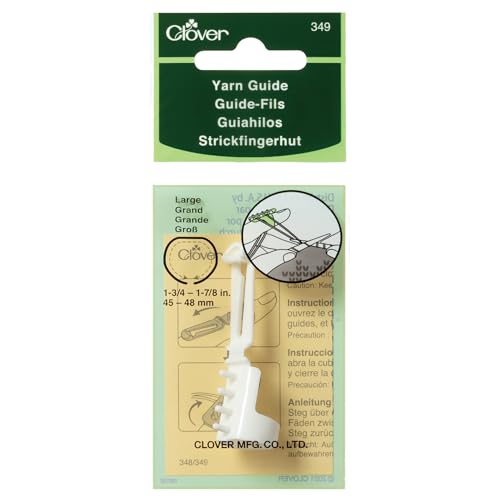

The Clover Adjustable Yarn Guide is a staple in many knitting bags for good reason. Its design mimics the traditional Norwegian knitting thimble, providing a stable eyelet that keeps metallic thread from twisting or tangling as it feeds into your work.
Because it is made of lightweight plastic, it doesn’t add unnecessary bulk to your finger during long sessions. The adjustability is the real winner here; you can expand or contract the band to fit snugly on your index finger, ensuring it doesn’t slide around while you navigate complex lace or stranded colorwork.
The primary trade-off is the plastic construction, which may feel less premium than metal alternatives. However, for the purpose of managing slippery metallic filaments, the smooth surface of the guide prevents the thread from snagging on rough edges. It is my top recommendation for those who want a reliable, no-nonsense tool that works across various yarn weights.
Prym Ergonomic Yarn Tension Ring: Best for Comfort
If you find that metal rings dig into your skin after an hour of knitting, the Prym Ergonomic Tension Ring is your best bet. It features a unique, flexible plastic design that conforms to the shape of your finger, significantly reducing the "pinching" sensation common with rigid metal bands.
The tensioning mechanism is integrated directly into the ring’s structure, which helps guide the thread at a consistent angle. This is particularly helpful when working with metallic threads that have a high "memory"—meaning they want to curl or kink—as the ring forces them to lay flat against the needle.
While it is exceptionally comfortable, the tension control is slightly less aggressive than some of the metal options. If you are a very loose knitter, you might find you still need to supplement this ring with a little extra finger-tensioning. It is the perfect choice for those who prioritize long-term comfort over heavy-duty grip.
Cocoknits Metal Tension Ring: Best Minimalist Pick
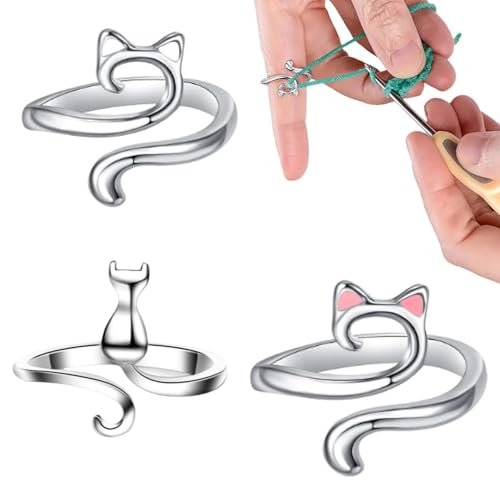
The Cocoknits Metal Tension Ring is for the knitter who wants a tool that feels like jewelry rather than hardware. Its sleek, open design is unobtrusive, making it easy to wear even when you aren’t actively knitting.
Because it is made of plated steel, it provides a very firm, consistent anchor point for metallic threads. The thread slides smoothly over the metal surface, which is ideal for fibers that have a tendency to "grab" or friction-lock against softer materials like rubber or plastic.
The minimalist aesthetic does mean there are fewer "teeth" or guides compared to other models. It works best for knitters who already have a decent grasp of their own tension and just need a little extra help keeping the thread from slipping away. It’s a sophisticated tool that balances function with a clean, modern look.
Tulip Etimo Tension Ring: Best for Precision Work

Tulip is renowned for their high-quality crochet hooks, and their tension ring carries that same reputation for precision. This ring features a small, raised guide that keeps the thread perfectly positioned for fine-gauge work, such as knitting with fingering-weight metallic blends.
When you are working on intricate projects where every stitch must be uniform, this ring excels. The metal finish is impeccably smooth, ensuring that delicate metallic plies don’t snag or fray as they pass through the guide.
Be aware that this ring is often sized specifically, so you should measure your finger carefully before purchasing. It is a precision instrument, and like any high-end tool, it performs best when you take the time to learn its specific angle of entry. It is an investment, but one that pays off in the consistency of your finished fabric.
Pony Knitting Tension Ring: Best Budget Selection

The Pony Knitting Tension Ring is an accessible, entry-level option that performs surprisingly well. It is a simple, effective metal band that provides a basic guide for your yarn, helping to prevent the "yarn vomit" that often happens when metallic threads slip off the ball.
While it lacks the bells and whistles of more expensive models, it gets the job done without any fuss. If you are curious about whether a tension ring will help your knitting but don’t want to commit to a high price tag, this is the place to start.
The main drawback is that it is less adjustable than the Clover or Prym options. You may need to gently bend it to fit your finger, which can be tricky to get just right. Despite this, it remains an excellent, sturdy tool for keeping metallic threads under control on a budget.
Yarn Tree Peacock Ring: Best for Multiple Strands

The Yarn Tree Peacock Ring is a specialized tool designed for those who enjoy stranded colorwork or holding multiple strands together. With its unique "peacock" tail design, it features multiple loops that allow you to separate different threads, preventing them from tangling.
When you are knitting with one metallic strand and one wool strand, this ring allows you to keep them distinct. This is vital for maintaining even tension, as the metallic thread and the wool will have very different "drag" characteristics.
It can take a little practice to get used to threading the ring properly, but once you master the setup, it is a game-changer. It is not the most comfortable ring for all-day wear, but for specific complex projects, it is an indispensable tool that solves a very real, very frustrating problem.
Why Metallic Threads Require Specialized Tension
Metallic threads are usually composed of a plastic or metal core wrapped in a decorative filament, which makes them inherently slippery and inelastic. Unlike wool, which has "crimp" and "tooth" that help stitches hold their shape, metallic threads want to slide back to their original state.
If you knit metallic threads with the same tension you use for wool, you will almost certainly end up with loose, uneven fabric. The tension ring acts as a mechanical "brake," providing the necessary resistance to keep the thread taut as you form the stitch.
Without this extra guidance, you are likely to overcompensate by pulling too hard with your fingers, which leads to hand fatigue and cramping. By offloading the tensioning work to a ring, you allow your hands to remain relaxed, which in turn leads to a more consistent gauge throughout your project.
How to Properly Fit Your Ring for Best Results
A tension ring that is too loose will rotate around your finger, causing the thread to drop out of the guide at the worst possible moment. Conversely, a ring that is too tight will restrict circulation and make your hands ache after just a few minutes of knitting.
To find the right fit, aim for a position on your index finger that is just below the first knuckle. This allows the ring to stay in place while leaving your finger free to manipulate the needle.
If you find that the ring still slips, try wearing it over a thin knit glove or using a small piece of silicone grip tape on the inside of the band. Remember that your fingers may swell slightly during the day, so a ring that feels perfect in the morning might feel tight by evening.
Maintaining Tension Control With Slippery Fibers
Even with the best ring, metallic threads require a slightly different technique than natural fibers. I recommend keeping your yarn ball in a bowl or a dedicated yarn bag to prevent it from rolling away, as metallic thread loves to unravel at high speeds.
Pay close attention to your "pick" (the way you lift the yarn over the needle). With slippery fibers, it is easy to accidentally drop a stitch or create a long float if you aren’t careful. Slowing down just a fraction can make a significant difference in the final look of your fabric.
Finally, remember to block your metallic projects with care. Since these fibers don’t behave like wool, they won’t "bloom" or fill in gaps during the blocking process. What you knit is what you get, so using a tension ring to ensure your gauge is perfect from the start is the best insurance policy for your project.
Frequently Asked Questions About Tension Rings

- Do I need a different ring for different yarn weights? Generally, no; most rings are designed to accommodate a variety of weights. However, if you are working with extremely fine metallic thread, you might find that a ring with a smaller eyelet provides better control.
- Will a tension ring change my gauge? Yes, it will likely tighten your gauge compared to holding the yarn in your fingers. You may need to swatch with the ring on to see if you need to go up a needle size to achieve the correct tension.
- Can I use a tension ring for non-metallic yarns? Absolutely! Many knitters find that once they get used to the consistency a ring provides, they use it for all their knitting projects, especially when working with slippery materials like silk or bamboo blends.
Investing in a tension ring is one of the most practical upgrades you can make for your knitting toolkit, especially when tackling the unique challenges of metallic fibers. By choosing a tool that balances comfort with the right amount of grip, you can transform a frustrating project into a smooth, enjoyable experience. Remember that every knitter’s hands are different, so don’t be afraid to experiment until you find the perfect fit for your style. With the right gear in place, your metallic projects will shine with the professional finish they deserve.