6 Best Button Backings For Reinforcement To Use
Choosing the right button backing is vital for garment longevity. Discover the six best reinforcement options to prevent fabric tearing and ensure durability.
We have all spent dozens of hours perfecting a hand-knit cardigan, only to watch a heavy button slowly stretch and distort the fabric over time. A simple reinforcement backing is the secret weapon that prevents your hard work from sagging or tearing at the closure points. These small, often overlooked tools distribute the stress of the button across a wider surface area of your stitches. Investing a few cents in a backing now will save you from a major repair job months down the road.
Dritz 1/2 Inch Clear Plastic Button Backers


Dritz is a staple in almost every sewing notions drawer, and for good reason. These clear plastic discs are designed to be virtually invisible, which is a massive advantage if you are working with lighter-colored yarns or open-work stitch patterns.
Because they are made of rigid plastic, they don’t flex or bend under tension. This makes them excellent for heavy buttons on wool coats or dense, structured cardigans where you need a firm anchor.
However, they can feel a bit "sharp" against the skin if your garment is meant to be worn directly over a base layer. If you are using these on a delicate wool sweater, consider placing them between the button and the fabric, rather than against your skin.
La Mode 15mm Reinforcement Button Washers
La Mode washers are slightly more flexible than their Dritz counterparts, offering a bit of "give" that works well with softer fibers like alpaca or merino. This flexibility is helpful when you are working with a slightly looser gauge.
If you have ever had a button pull through a knit fabric, you know that rigidity isn’t always the answer. Sometimes, a washer that can move slightly with the fabric prevents the yarn from snapping under sudden pressure.
These are particularly effective for mid-weight garments where you want stability without adding too much bulk. They sit flat and are easy to sew through, making them a favorite for quick repairs.
Prym 15mm Transparent Button Backing Discs

Prym is known for high-quality engineering, and these transparent discs are no exception. They are exceptionally smooth, which helps prevent them from snagging on the interior fibers of your knitting.
When you are working with a delicate fiber like silk or fine mohair, the last thing you want is a rough-edged backing that will cause pilling or friction. These discs are polished to a high finish, keeping your internal structure pristine.
They are a bit thinner than other options, which is perfect for projects where you don’t want a "lumpy" look on the inside of your button band. They provide just enough reinforcement to keep the stitches from elongating without adding unnecessary weight.
Hemline Nylon Reinforced Button Support Discs
Nylon is an incredibly durable material, and these support discs are built to withstand heavy use. If you are knitting a garment for a child or a rugged piece of outdoor gear, these are an excellent choice.
The nylon construction offers a unique blend of strength and slight elasticity. This is a game-changer for superwash wools, which can sometimes grow or stretch out over time; these discs hold their shape and keep the button firmly in place.
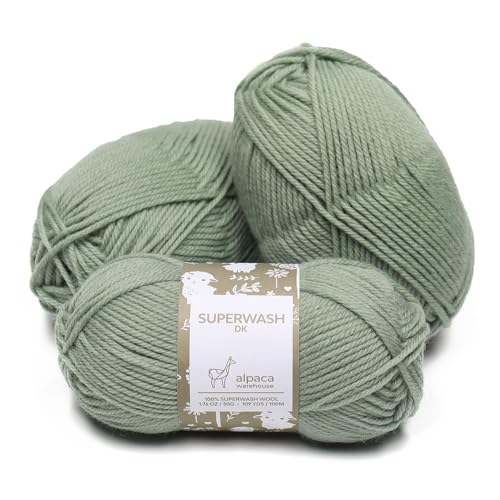
They are slightly thicker than plastic or clear discs, so keep that in mind if you are working with a very fine fingering-weight yarn. They are best suited for worsted-weight or heavier projects where the extra thickness won’t be noticeable.
Buttons Galore & More Clear Support Backings
These backings are designed with a focus on ease of use. They feature pre-aligned holes that make the sewing process much faster, which is a relief when you have five or six buttons to attach to a long cardigan.
The material is sturdy but has a slightly matte finish, which grips the yarn better than high-gloss plastic. This "grip" is essential for slippery fibers like cotton or bamboo, which tend to slide around if the backing isn’t secure.
If you find that your buttons have a tendency to "creep" or shift away from the buttonhole, these are a reliable solution. They lock into the stitch pattern quite well, providing a stable foundation for the button shank.
JHB International Heavy Duty Button Washers
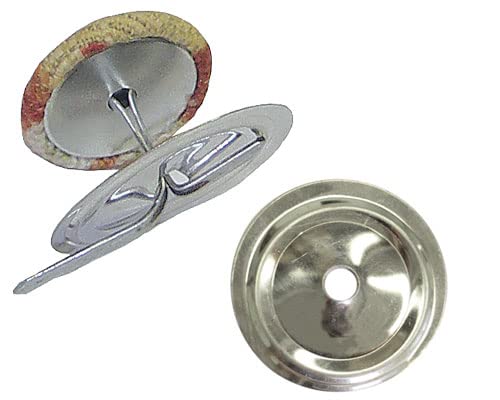
When you are working on a heavy-duty project, like a felted wool jacket or a thick cabled sweater, standard backings might not be enough. JHB International offers these washers specifically for high-stress applications.
They are thicker and more substantial than any other option on this list. While they might be overkill for a lightweight summer top, they are exactly what you need for heavy wooden or metal buttons that would otherwise tear through the fabric.
Think of these as the "heavy machinery" of button backings. They provide a structural bridge that prevents the button from ever working its way through your carefully worked ribbing or seed stitch.
Why You Should Always Use a Reinforcement Backing
A button is essentially a lever, and every time you button or unbutton your garment, you are exerting force on a very small area of your knitting. Without a backing, that stress is concentrated on just one or two loops of yarn.
Over time, those loops will stretch, thin out, and eventually break. A reinforcement backing spreads that force across a dozen or more stitches, effectively "sharing the load" across the entire button band.
It is a small, proactive step that preserves the structural integrity of your garment. Think of it as insurance for your knitting; you put too much effort into your project to let a simple button failure ruin it.
Choosing the Right Size Backing for Your Garment
The rule of thumb is to choose a backing that is slightly smaller than the button itself but large enough to cover the area where the button is attached. You never want the backing to be visible from the outside.
If you are working with a very open lace pattern, you may need to use a smaller backing to ensure it stays hidden behind the button. Conversely, for dense, thick fabrics, a larger, sturdier backing is usually the better choice.
Always lay the backing on the inside of the button band to check for transparency. If you can see the edge of the disc through your stitches, you may need to choose a smaller size or a different color.
How to Attach Backers for Maximum Durability
To attach a backing properly, you should position it on the inside of the garment, directly behind the button. Use a strong, color-matched thread—or a thin strand of the original yarn if it is sturdy enough—to sew through the button, the fabric, and the backing simultaneously.
Don’t sew the button too tightly against the fabric. You want to create a small "shank" of thread so that the button can sit comfortably over the fabric without pulling it taut.
The backing should be held firmly against the fabric, but not so tight that it puckers the knitting. A little bit of movement is fine, as long as the backing isn’t shifting away from the button’s center.
Preventing Button Pull-Through on Delicate Knits
If you are working with a delicate fiber like cashmere or alpaca, the yarn is prone to snapping under the pressure of a button. In these cases, use a small piece of ribbon or a scrap of cotton fabric as a secondary backing in addition to your plastic disc.
This creates a "sandwich" effect that provides extra cushioning for the delicate fibers. It also helps to distribute the pressure even further, which is critical for yarns that don’t have much natural memory or elasticity.
Remember, the goal is to protect the yarn from the hard edge of the button. By creating a soft, stable barrier, you ensure that your delicate knit remains beautiful and functional for years.
Reinforcement backings are an essential tool for any knitter who wants their garments to stand the test of time. By choosing the right size and material, you protect your stitches from the inevitable wear and tear of daily use. Don’t let your hard work be undone by a single loose button. Incorporate these simple supports into your finishing process, and your sweaters will stay as structured and beautiful as the day you cast them off.