6 Best Fray Check Liquids For Securing Yarn Edges
Keep your yarn projects secure with our top 6 fray check liquids. We compare the best formulas to prevent unraveling and ensure a clean, durable finish.
Securing yarn ends is a rite of passage for every knitter, moving your project from "nearly finished" to "heirloom quality." While weaving in ends is the traditional method, there are moments—like working with slippery silk or securing a final, stubborn tail—where a little extra help is needed. These fray-check liquids act as a safety net, ensuring your hard work doesn’t unravel after the first wash. Choosing the right one depends entirely on your fiber content and how much "invisible" security you require.
Dritz Fray Check Liquid: The Industry Standard


Dritz Fray Check is the bottle you will find in almost every sewing kit across the country. It is a classic resin-based sealant that dries clear and creates a firm, plastic-like bond on the fibers it touches.
For knitters, this is the "heavy-duty" option. If you are working with a slippery rayon or a high-twist mercerized cotton that refuses to stay tucked, Dritz provides a reliable, permanent hold.
The tradeoff is that it can leave a slightly stiff, crunchy spot if you use too much. Use it sparingly on the very tip of your yarn tail, rather than saturating the fabric, to avoid creating a hard "plug" in your knitting.
Prym Fray Check: Precision for Delicate Fibers
Prym offers a slightly thinner formula that is excellent for those working on fine-gauge projects or delicate lace. Because the consistency is less viscous than the industry standard, it penetrates the fibers more deeply rather than sitting on the surface.
This makes it an ideal choice for luxury fibers like lace-weight mohair or fine alpaca. It secures the fibers without causing the dramatic stiffness that can ruin the drape of a lightweight shawl.
The applicator tip is also noticeably finer, allowing you to touch a single ply of yarn without bleeding into the surrounding stitches. If you are working on a project where the drape is everything, this precision is worth the investment.
June Tailor Fray Block: Best for Larger Projects
If you find yourself finishing a large-scale project—like a heavy wool blanket or a series of knitted home goods—you might need more than a tiny precision bottle. June Tailor Fray Block is often sold in larger volumes and is designed to handle more extensive fraying issues.
It is particularly useful when you are cutting into knitted fabric, such as when performing a steek. When you cut through stranded colorwork to create a cardigan opening, you need a sealant that covers a wider area effectively.
This product dries relatively flexible, which is a major advantage for garments that need to move with the body. It doesn’t turn your knit into cardboard, keeping the fabric soft even after treatment.
Aleene’s Stop Fraying: Strong Hold for Yarn Ends

Aleene’s is a staple in the crafting world, and their fray sealant is surprisingly effective for yarn ends that are prone to shedding. If you are working with novelty yarns, such as those with metallic threads or loose, bushy fibers, this provides a very strong, reliable grip.
It functions more like a flexible adhesive than a thin liquid. This makes it perfect for securing the end of a tail that has been trimmed very short, where you don’t have enough length to weave in traditionally.
Be mindful that it can slightly darken some lighter-colored natural fibers. Always test on a swatch before applying it to your final project to ensure the color shift is acceptable to you.
Singer Fray Check: Reliable Choice for Knitters
Singer’s version of fray sealant is known for its consistent, predictable performance. It is a balanced product that works well on a wide variety of standard wools and acrylic blends.
It is an excellent "everyday" bottle to keep in your notions bag. It isn’t as specialized as the delicate-fiber formulas, but it is incredibly dependable for the vast majority of standard-weight sweaters and hats.
The key to using this successfully is patience. It requires a few minutes to set properly, so avoid tugging on the yarn tail immediately after application. Let it cure fully to ensure the bond is permanent.
Clover Fray Guard: Best for Natural Fiber Yarns

Clover products are legendary for their thoughtful design, and their Fray Guard is no exception. It is formulated to be particularly gentle on natural fibers like wool, cotton, and linen.
Many sealants can be harsh, but this one feels less aggressive on the protein structures of animal fibers. It effectively locks the twist of the yarn without stripping the natural oils or luster of the wool.
If you are a purist who prefers high-quality, non-superwash wools, this is the sealant that will feel most at home in your kit. It provides security while respecting the integrity of the fiber.
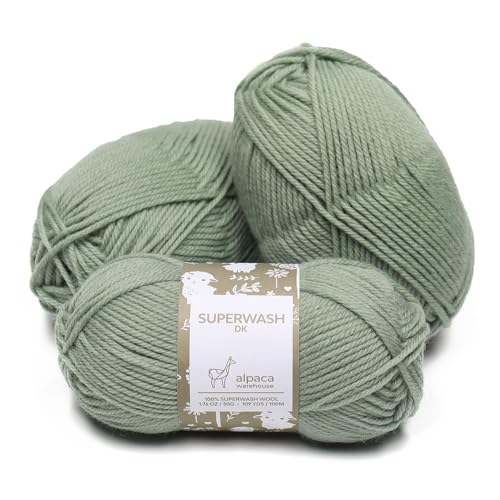
How Fray Check Liquids Affect Yarn Fiber Texture
Applying a liquid sealant is a chemical process that changes the physical properties of the yarn. By saturating the fibers, you are essentially gluing them together, which inevitably increases the stiffness of that specific area.
Natural fibers like wool and alpaca absorb these liquids differently than synthetics like acrylic or nylon. Protein fibers tend to "drink" the liquid, which can lead to a more noticeable stiffening effect if you aren’t careful.
Synthetics, by contrast, are non-porous. The liquid often sits on the surface, which makes it easier to wipe away excess but can also make the bond more prone to flaking off if it isn’t applied to a clean, dry surface.
Tips for Applying Sealant Without Visible Residue
The secret to invisible application is "less is more." You should never apply the liquid directly from the bottle to the garment. Instead, dispense a tiny amount onto a scrap piece of paper or a toothpick.
Use the toothpick to dab the sealant onto the very end of your yarn tail. You want the liquid to wick into the fibers, not coat them in a thick, shiny layer.
If you are working with a light-colored yarn, be aware that some sealants can leave a slight yellowing or a "wet" look that doesn’t fully disappear. Always apply from the wrong side of the work to keep any potential residue hidden.
When to Use Knotting Versus Chemical Fiber Seals
There is a long-standing debate in the knitting community about knots. While many instructors teach that knots are forbidden, there are times when a small, strategically placed knot is superior to a chemical sealant.
Use a knot when you have a secure, stable fiber like a high-twist wool that holds a knot well. Use a chemical sealant when you are working with slick, slippery fibers—like silk, rayon, or bamboo—that will simply slide out of any knot you tie.
Never rely on a sealant to fix a structural failure. If your knitting is loose or your tension is inconsistent, no amount of glue will keep the garment from stretching out of shape over time.
Caring for Your Finished Knits After Treatment
Once you have treated your yarn ends, you must treat your finished item with care during the laundering process. Even the most permanent sealants can be weakened by harsh detergents or high-heat drying.
Always hand-wash your treated projects in cool water with a gentle wool wash. Avoid aggressive agitation, which can put unnecessary stress on the sealed ends and cause them to fray or break.
Finally, never iron over a spot where you have used a fray sealant. The heat can melt the adhesive, causing it to spread into the surrounding fabric and potentially leaving a permanent, shiny stain on your beautiful handiwork.
Securing your yarn ends is the final act of care for a project you have spent hours, or perhaps weeks, creating. While weaving in ends remains the gold standard for most knitters, these fray-check liquids offer a practical solution for tricky fibers and high-stress areas. By choosing the right product for your specific yarn and applying it with a delicate touch, you ensure your work remains as pristine as the day you cast off. Remember that the best finish is one that is invisible, durable, and respectful of the fibers you’ve chosen.