6 Best Shank Backs For Secure Attachment Reviewed
Discover the 6 best shank backs for secure jewelry attachment. We review top-rated designs to help you ensure durability, comfort, and reliable performance.
Choosing the right shank button is the final, crucial step in ensuring your hand-knit cardigan doesn’t lose its shape or functionality after a few wears. While flat buttons are common, shanks provide the necessary "neck" to allow fabric to drape properly without distorting the buttonband. Selecting the wrong hardware can lead to sagging, unsightly gaps, or even damage to delicate fibers. Here is my guide to the best shank backs to secure your hard work.
La Mode Plastic Shank Buttons: Best for Basics


If you are finishing a simple, everyday cardigan or a child’s sweater, you don’t always need expensive hardware. La Mode plastic shanks are the workhorses of the knitting world, offering a lightweight solution that won’t weigh down your lighter-weight wools or cottons.
These buttons are incredibly versatile because they don’t add unnecessary bulk to your buttonband. When you are working with a fingering weight yarn, a heavy metal button can cause the fabric to pull and sag over time. Plastic shanks mitigate this by keeping the weight distribution even and manageable.

The trade-off here is longevity. Over years of heavy wash cycles, plastic can eventually develop micro-scratches or lose its luster. However, for a beginner project or a garment that you plan to cycle out of your wardrobe, these are the most practical, cost-effective choice.
Dill Buttons Resin Shanks: Best for Durability

Resin is a fantastic middle-ground material that mimics the look of natural horn or wood but offers significantly more structural integrity. If you have spent weeks cabling a heavy wool sweater, you need a button that can withstand the tension of a thick buttonband without snapping.
Dill Buttons excel here because they are molded with high-density resin that resists heat and moisture. Unlike cheaper plastics, they don’t become brittle after multiple trips through a soak-and-block process. They maintain their shape, which is essential for keeping your placket flat and secure.
The surface finish on these is usually smooth, which is a major benefit for your yarn. A rough button shank can snag or fray delicate fibers like alpaca or mohair every time you button up. Choosing resin ensures a smooth interaction between the hardware and your hand-knit fabric.
JHB International Metal Shanks: Best for Luxury
When you have invested in a high-end, hand-dyed merino or a silk-blend yarn, the buttons should match the quality of the fiber. JHB International offers metal shanks that provide a substantial, polished feel that elevates the entire aesthetic of a garment.
Metal shanks are ideal for heavy-gauge knits, such as chunky fisherman sweaters or thick wool coats. The weight of the metal helps pull the buttonband down, keeping it crisp and preventing the "wavy" edge that can occur when the button is too light for the yarn.
One caveat: always check the back of the shank for sharp edges before sewing. Even high-quality metal can have a tiny bit of flash from the casting process. A quick pass with a fine-grit sandpaper or a nail file will protect your yarn from accidental damage.
Buttons Galore Novelty Shanks: Best for Crafts
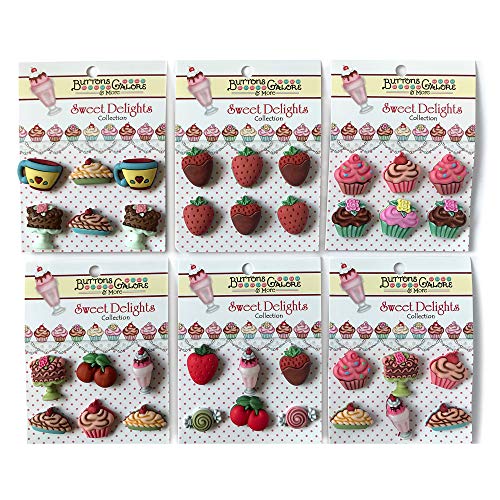
Sometimes, a knitting project is meant to be whimsical, especially when it comes to children’s wear or holiday-themed accessories. Buttons Galore specializes in unique shapes and vibrant colors that add personality to a plain stockinette stitch.
These buttons are often lighter than they appear, which makes them perfect for lightweight acrylics or baby-soft blends. They are designed for visual impact rather than heavy-duty structural support, so keep them for cardigans that aren’t subjected to extreme tension.
Because these are novelty items, the shank loop can sometimes be smaller than standard buttons. If you are knitting a thick, worsted-weight buttonband, ensure your tapestry needle and thread can pass through the eye of the shank easily before you start the final attachment.
Trim Shoppe Brass Shank Buttons: Best Vintage
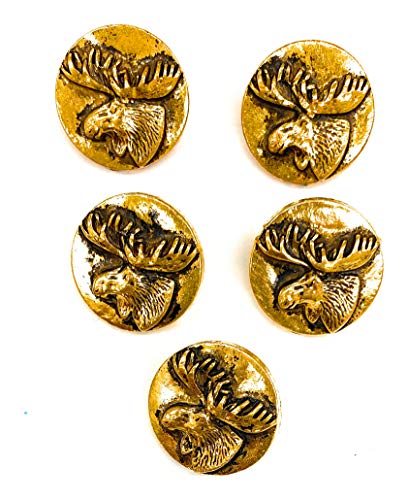
There is a timeless quality to brass that plastic simply cannot replicate. Trim Shoppe provides a vintage aesthetic that looks stunning on traditional ganseys or heirloom-style cardigans.
Brass develops a beautiful patina over time, which often makes a garment look more "loved" rather than worn out. This material is incredibly strong, making it an excellent choice for heavy-duty winter knits that will be buttoned and unbuttoned frequently throughout the cold season.
Be mindful that brass is conductive and can feel cold to the touch during winter months. However, the durability of the metal ensures that the shank loop won’t wear down or snap, which is a common failure point for cheaper, mass-produced buttons.
Prym Fashion Nylon Shank Backs: Best Strength
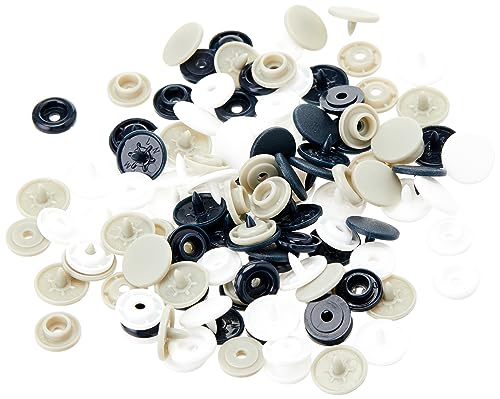
If you are looking for pure, unadulterated strength, look to nylon-reinforced shanks. Prym is a brand known for engineering, and their nylon shanks are designed to withstand significant pulling force without deforming.
These are the best choice for garments that see high activity, such as a work-wear sweater or a jacket that you plan to wear while commuting. The nylon is flexible, which means it has a tiny bit of "give" that prevents the button from tearing through the stitches of your buttonband.
The only downside is that they are purely functional and lack the decorative appeal of metal or wood. I recommend using these on the inside of a coat or for the hidden buttons on a double-breasted design where the hardware is meant to be felt but not necessarily seen.
Anatomy of a Secure Shank: What to Look For
A well-designed shank isn’t just about the face of the button; it’s about the geometry of the attachment point. You want a shank that is long enough to accommodate the thickness of your buttonband plus the thickness of the opposite buttonhole band.
- The Eye: Look for a smooth, rounded eye that won’t slice through your sewing thread.
- The Neck: A distinct neck is vital; it creates space for the fabric to sit comfortably behind the button.
- The Base: A wide, flat base helps distribute the tension across multiple stitches rather than pulling on a single point.
If the shank is too short, your buttonband will pucker and look strained. If it is too long, the button will flop around and leave a gaping hole in your closure. Always test the button against a swatch of your finished fabric before committing to the full set.
Choosing Shank Materials for Your Knitwear
Matching your button material to your fiber type is as important as matching your needle size to your yarn weight. Heavy fibers like wool and wool-blends can handle heavier buttons, while delicate fibers require lightweight materials.
- For delicate silks and mohair: Stick to lightweight plastic or resin to prevent sagging.
- For durable wools and blends: Metal or brass shanks offer the best longevity.
- For high-wear items: Choose nylon-reinforced shanks for maximum structural security.
Remember that natural fibers have a tendency to stretch over time. A button that feels perfect on day one might feel slightly loose after a month of wear. Choosing a slightly heavier button can sometimes help counteract the natural "growth" of a wool garment.
Professional Techniques for Attaching Shanks
Never sew a button directly onto the surface of your knit fabric. Always use a "thread shank," which is a small cylinder of thread created between the button and the fabric to give the button room to move.
To create this, place a toothpick or a darning needle between the button and the fabric while you sew. Once you have made enough passes to secure the button, remove the spacer and wrap your sewing thread tightly around the threads underneath the button.
This technique creates a sturdy "neck" that prevents the button from pulling the fabric out of shape. It also makes it much easier to button your garment, as there is enough clearance for the fabric to slide under the button head without distorting your knit stitches.
FAQ: Preventing Shank Button Sag in Knits
Why does my buttonband sag even with a shank? Usually, this happens because the button is too heavy for the yarn, or you haven’t reinforced the back of the buttonhole. Try sewing a small, flat "stay button" on the inside of the band behind the main button to distribute the weight.
Can I use a shank button on a flat buttonhole? Yes, but you must create a thread shank. Without it, the fabric will bunch up around the button, and your buttonhole will eventually stretch out of shape.
How do I keep my thread from snapping? Use a buttonhole twist thread or a doubled-up strand of your original yarn (if it’s strong enough). Avoid using standard sewing thread, as it is often too thin to handle the weight of a heavy wool knit.
Taking the time to select and attach the right shank button is the hallmark of a truly finished garment. By considering the weight of your yarn, the intended use of the piece, and the mechanics of the shank itself, you ensure your work stays beautiful for years. Don’t rush this final stage; it is the difference between a homemade sweater and a professional-grade knit. Happy knitting, and enjoy the satisfaction of a perfectly secured project.