7 Best Sharp Snips For Trimming Excess Backing
Achieve clean edges with our top 7 sharp snips for trimming backing. Discover precise tools that ensure professional, snag-free results for every project.
Trimming excess backing or yarn ends is the final, crucial step that separates a handmade garment from a professional-looking heirloom. A dull blade often pulls or frays delicate fibers, potentially ruining hours of careful stranded colorwork or embroidery. Investing in a dedicated pair of sharp snips ensures you cut exactly what you intend without nicking your base fabric. Choosing the right tool requires balancing ergonomics, blade geometry, and your specific project needs.
Gingher 4-Inch Featherweight Embroidery Scissors


These scissors are a staple in many professional sewing kits for good reason. The knife-edge grind allows for an incredibly smooth cut, even when navigating tight spots in complex colorwork.
Because they are lightweight, they won’t cause hand fatigue during long finishing sessions. If you are trimming hundreds of ends on a stranded sweater, this weight reduction is a genuine relief for your joints.
However, they do require careful maintenance to keep that edge pristine. Avoid using them to cut anything other than yarn or fabric, as even a small piece of paper can dull the precision-ground blades.
LDH Scissors Midnight Edition Thread Snips
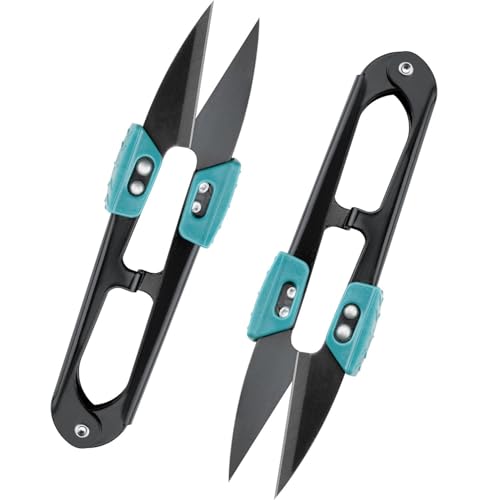
The LDH Midnight Edition snips offer a distinct tactile experience that many makers find superior for fine detail work. Their matte black finish isn’t just for aesthetics; it provides a non-slip grip that is helpful if your hands are prone to sweating during high-stakes finishing.
These snips are exceptionally sharp at the very tip, which is ideal for "micro-trimming" excess backing close to the stitches. This level of precision is vital when you need to remove bulk from a project without compromising the structural integrity of your yarn floats.
The tension on these is usually perfect right out of the box. They offer a snappy, responsive feel that makes quick, repetitive snips feel effortless.
Kai 4-Inch Precision Needlework Scissors

Kai scissors are renowned for their high-carbon stainless steel, which holds an edge significantly longer than standard craft store shears. When you are working with slippery fibers like silk or bamboo, you need a blade that bites cleanly rather than sliding over the yarn.
The blades are slightly thinner than those on traditional embroidery scissors, allowing for better visibility. When you’re trimming backing on a delicate lace project, seeing exactly where the blade meets the fiber is non-negotiable.
While they are an investment, they are a "buy it once" tool. Treat these with respect, and they will remain the sharpest pair in your notions bag for years.
Fiskars Micro-Tip Easy Action Sewing Snips

These snips utilize a spring-action mechanism that automatically opens the blades after each cut. This is a game-changer for knitters who suffer from arthritis or repetitive strain, as it eliminates the need to manually open the scissors with your fingers.
The micro-tip is thin enough to reach into the crevices of dense, stranded knitting. Because the blades are relatively short, you have excellent control, which prevents accidental "poking" of the surrounding fabric.
The trade-off is the plastic construction, which feels less substantial than forged steel. While they are highly functional, they lack the "heirloom" durability of some other options on this list.
Havel’s 4.5-Inch Serrated Blade Snips

Serrated blades are a secret weapon when dealing with notoriously slippery or "haloed" fibers like mohair or angora. The tiny teeth on the blade grip the fiber, preventing it from sliding away while you attempt to make the cut.
If you have ever struggled to trim a yarn end because it keeps "running" away from your scissors, a serrated edge will solve that frustration immediately. They provide a clean, secure cut every single time.
Be aware that they can leave a slightly "frayed" looking end compared to a perfectly smooth knife-edge. For most backing trims, this is invisible, but it’s worth noting if you are working with very high-twist, smooth wools.
Merchant & Mills Wide Bow Embroidery Scissors
These scissors feature a unique wide-bow design that allows you to slip your fingers through easily for better leverage. If you have larger hands, you’ll find these much more comfortable than the cramped finger holes found on standard embroidery snips.
The design is classic and functional, favoring simplicity over complex mechanics. They are robust, well-balanced, and feel substantial in the hand, which many makers prefer for a sense of control.
Because they are made of high-quality steel, they are easy to sharpen if they eventually lose their edge. They are a reliable, no-nonsense tool that performs consistently across various yarn weights.
Westcott Titanium Bonded Micro-Tip Snips

Titanium bonding makes these blades exceptionally hard and resistant to the wear and tear of daily use. They are particularly good at resisting adhesive buildup if you are working with fusible backings or stabilizers.
The micro-tip is precise enough for intricate work, and the overall construction is surprisingly durable given the price point. They are an excellent "workhorse" pair to keep in your project bag for everyday trimming.
They may not offer the same "buttery" smooth cut as a pair of professional-grade Ginghers, but they are incredibly reliable. For the price, they are hard to beat in terms of longevity and sharpness.
Why Sharpness Matters for Clean Backing Trims
A dull blade is the enemy of a clean finish; it bends the fiber rather than cutting it, leading to ragged ends that can poke through your work. When you use sharp snips, the fiber is severed instantly and cleanly.
- Prevents pulling: Sharp blades eliminate the tugging that can distort your tension.
- Reduces fraying: Clean cuts stay put, whereas dull cuts create loose strands that work themselves loose over time.
- Increases speed: You spend less time wrestling with the yarn and more time finishing your project.
Always test your snips on a scrap piece of the same yarn you are using for your project. If the scissors struggle to cut through the yarn without resistance, it is time to sharpen them or replace the pair.
How to Maintain Your Snips for Longevity
Treat your snips like a precision instrument, not a utility knife. Never use them to cut paper, plastic, or wire, as these materials will strip the edge from your blades in seconds.
- Keep them dry: Moisture is the enemy of steel and can lead to rust.
- Store in a sheath: Protect the delicate tips from bending by keeping them in a leather or fabric sleeve.
- Clean regularly: Use a soft, dry cloth to wipe away lint and fiber dust after every use.
If you notice the blades sticking, a tiny drop of sewing machine oil at the pivot point can work wonders. Just be sure to wipe away any excess oil so it doesn’t transfer to your precious yarn.
Essential Safety Tips for Trimming Fiber Projects
Trimming excess backing often involves working in close proximity to your finished stitches. Always ensure you have adequate lighting so you aren’t guessing where the blade is landing.
- Mind the fabric: Always lift the yarn end slightly away from the base fabric before making the cut.
- Keep your fingers clear: Never place your fingers beneath the blades, even if you think you have a clear line of sight.
- Stay focused: Avoid trimming while distracted, as it is incredibly easy to accidentally snip a working yarn or a structural stitch.
If you find yourself getting tired or losing focus, put the snips down and take a break. A quick, tired snip is exactly how accidents happen to your hard-earned work.
Finding the perfect pair of snips is a personal journey that depends on your hand size, the types of yarn you prefer, and your specific trimming technique. Whether you prioritize ergonomic spring-action or the classic feel of forged steel, the right tool will make your finishing work feel like a joy rather than a chore. Keep your blades clean, protect those delicate tips, and you’ll always be ready for the final, satisfying snip. Happy knitting, and may your ends always be perfectly trimmed.