6 Best Metal Combs For Detangling Finished Fringe
Discover the top 6 metal combs for detangling finished fringe. Learn how these durable tools prevent breakage and ensure a smooth, salon-quality finish daily.
Finishing a shawl or wall hanging with a lush fringe is the ultimate test of patience for any fiber artist. While plastic brushes can snap delicate fibers or cause static buildup, metal combs provide the precision needed to separate individual plies. Investing in the right tool ensures your fringe looks intentional and professional rather than matted or frayed. Here are the top six metal combs to elevate your finishing process.
Master Groomer Professional Greyhound Comb


The Greyhound comb is the gold standard for a reason. Its hand-finished, rounded teeth glide through fibers without the snagging that often plagues cheaper, stamped-metal alternatives.
This tool is particularly effective for high-twist yarns where you want to maintain the integrity of the twist while separating the fringe. Because the teeth are spaced consistently, it provides a uniform finish that makes blocking a breeze.
If you are working with luxury fibers like silk or alpaca, the smooth finish of this comb prevents the "fuzzing" that occurs when fibers are torn by rougher tools. It is an investment, but it is one that will last your entire knitting career.
Wahl Pet Steel Comb for Precise Detangling
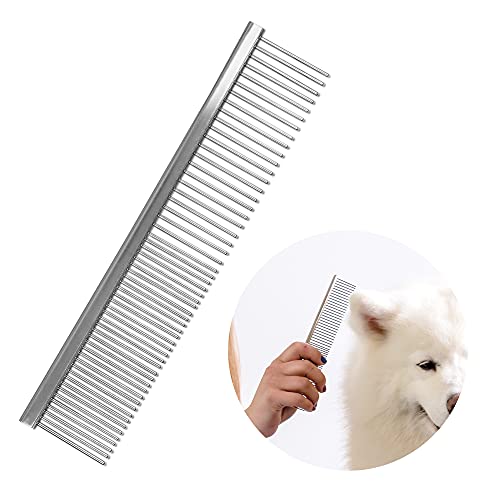
Wahl’s steel comb is a workhorse that excels at the initial stage of detangling. The teeth are slightly more rigid, making them ideal for heavy, worsted-weight wools that tend to clump after a long project.
I often recommend this for beginners because the handle provides excellent leverage. You can apply firm, controlled pressure to stubborn knots without worrying about the comb bending or losing its shape.
Keep in mind that the teeth are quite stiff; use it for the "heavy lifting" phase of your fringe work. Once the major tangles are cleared, switch to a finer-toothed comb to polish the ends.
Andis Pet Steel Comb for Heavy Fringe Work

If you are working on a large-scale project—like a heavy macramé wall hanging or a thick, chunky-knit throw—the Andis steel comb is your best friend. Its length allows you to cover more surface area in a single pass.
The spacing of the teeth is designed to catch deep tangles without putting excessive tension on the base of your knot. This is crucial for preventing the "stretching" effect that can make a fringe look uneven or saggy.
While it is larger than most, the weight is well-balanced. It won’t fatigue your wrist even if you have a massive amount of fringe to process.
Chris Christensen Buttercomb for Fine Fibers

The Buttercomb is legendary for its ability to glide through fibers like, well, butter. The teeth are tapered and polished to a mirror finish, which is essential for delicate fibers like mohair or cashmere.
When working with fine lace-weight yarns, static and friction are your enemies. This comb minimizes both, ensuring that your fringe remains soft and fluid rather than brittle.
It is definitely a premium tool, but for heirloom pieces, it is worth every penny. You will notice the difference in the drape of your fringe immediately.
Safari Pet Products Stainless Steel Comb
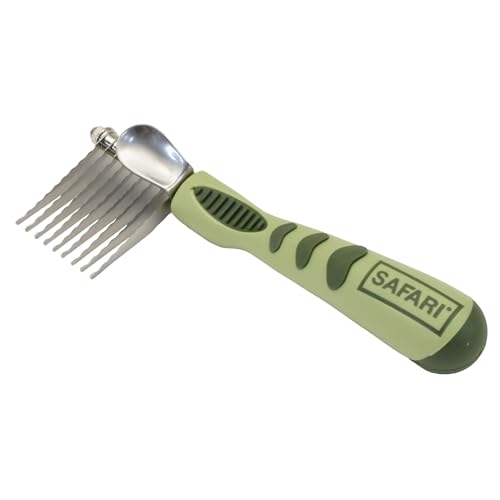
This is a fantastic entry-level option that performs surprisingly well for its price point. It features a dual-density design, with one side offering wider teeth and the other offering finer spacing.
The wide side is perfect for removing debris or excess fluff from your yarn, while the fine side provides that crisp, clean look for the final grooming. It is a versatile tool that covers most of your basic needs.
Because it is made of stainless steel, it is resistant to rust, which is important if you use steam blocking regularly. It is a reliable, no-nonsense addition to any project bag.
Miracle Coat Slicker and Finishing Comb

While technically a system, the finishing comb component of this set is excellent for achieving a "feathered" look. If you want your fringe to be perfectly straight and uniform, this is the tool to reach for.
It works exceptionally well on superwash wools, which can sometimes become a bit "sticky" when wet. The teeth are designed to separate the fibers cleanly, allowing for a crisp, professional trim at the end.
Use this as your final step. After you have detangled with a wider-toothed comb, use this to align every single fiber for that perfect, clean edge.
Why Metal Combs Outperform Plastic Alternatives
Plastic combs are notorious for creating static electricity, which turns your beautifully finished fringe into a flyaway mess. Metal combs ground the fibers, keeping them calm and manageable during the grooming process.
Furthermore, plastic teeth are often molded with tiny imperfections or "seams" from the manufacturing process. These microscopic ridges can snag individual plies, causing your yarn to fray or snap.
Metal teeth are smooth, uniform, and durable. They don’t warp under tension, giving you consistent results every time you groom your fringe.
How to Detangle Fringe Without Fiber Damage
Always start from the bottom of the fringe and work your way up toward the knot. If you start at the top, you are simply pushing the knots together and creating a larger, tighter tangle that is harder to remove.
Use a light hand. If you feel resistance, stop and untangle that specific section with your fingers before running the comb through again.
Remember, you are grooming, not excavating. Patience is the most important tool in your kit, and force is the quickest way to ruin your hard-earned work.
Essential Tips for Maintaining Your Fringe
To keep your fringe looking fresh, store your projects flat and avoid folding the fringe under heavy items. If the fringe gets messy, a quick mist of water and a gentle pass with your metal comb will bring it back to life.
If you are working with a fiber that is prone to pilling, avoid over-combing. A few gentle strokes are usually enough to align the fibers without causing unnecessary wear.
Finally, always trim your fringe after the piece has been fully blocked and dried. This ensures that the yarn has settled into its final state before you commit to a length.
Troubleshooting Common Fringe Tangling Issues
If your fringe is constantly tangling, consider the twist of your yarn. High-twist yarns hold their shape better, while single-ply yarns (like roving) are much more prone to matting and will require more frequent grooming.
If you notice your fringe is looking "thin," you may be over-combing and accidentally pulling out loose fibers. If this happens, reduce the frequency of your grooming sessions.
If you find that your fringe is uneven, it is likely because the knots were not tightened consistently during the installation process. Always check your tension before you start the final grooming phase.
Detangling fringe is a meditative process that rewards the careful fiber artist with a polished, professional finish. By choosing a high-quality metal comb and working with patience, you ensure your handiwork remains as beautiful as the day you finished the final stitch. Treat your fringe with care, and your projects will retain their beauty for years to come.