7 Best Armature Wires For Poseable Sculptures Reviewed
Discover the top 7 armature wires for poseable sculptures. This review compares flexibility, strength, and durability to help you choose the best support.
Creating a poseable sculpture is much like building the internal structure of a complex knitted garment, where the armature acts as the "bones" that hold your creative vision together. Just as choosing the wrong needle size can lead to a distorted cable pattern or uneven tension, selecting the incorrect wire will leave your sculpture sagging or unable to hold a pose. This guide explores the best armature wires on the market, helping you find the structural integrity required for your next project. Whether you are building a delicate needle-felted figure or a large-scale display piece, the right wire makes all the difference.
Aluminum Armature Wire: Best Overall for Sculpting
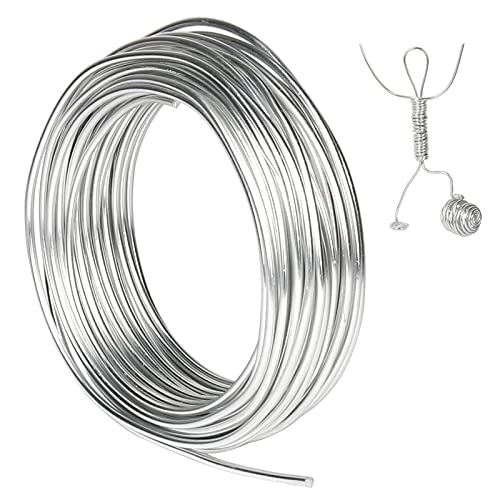

Aluminum wire is the gold standard for most sculpture work, much like how a high-quality wool-nylon blend is the reliable workhorse for durable socks. It offers a perfect balance of flexibility and strength, allowing you to bend it into complex shapes without the metal fatiguing or snapping.
Because it is so lightweight, it won’t add unnecessary bulk to your project, which is vital when you are layering delicate fibers or clay over the top. It holds a pose beautifully, staying exactly where you position it until you decide to change the stance.
The trade-off is that it can be softer than steel, so it isn’t ideal for heavy, gravity-defying extensions. However, for the vast majority of poseable figures, it provides the ideal structural foundation.
Darice Galvanized Steel Wire: Best Heavy Duty Pick

When you are working on a piece that requires significant weight-bearing capacity, galvanized steel is your best friend. Think of this like using a sturdy, non-superwash wool for a heavy cabled sweater; it provides the robust backbone needed to prevent the garment from stretching out of shape.
This wire is significantly stiffer than aluminum, making it difficult to bend by hand without pliers. While that might sound like a drawback, it is exactly what you need for the "spine" of a larger sculpture that needs to stand on its own.
Be aware that steel is heavier and more prone to rust if exposed to moisture, so ensure your covering material provides a good seal. It is a specialized tool, but when you need structural rigidity, nothing else will do.
Beadsmith Artistic Wire: Best for Fine Detailing
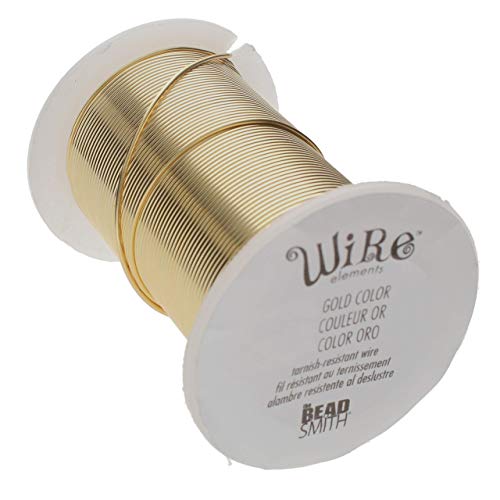
If you are sculpting miniature figures or adding intricate limbs, Beadsmith Artistic Wire is the equivalent of working with lace-weight yarn on 1.5mm needles. It is thin, incredibly precise, and easy to manipulate with small needle-nose pliers.
Because it is designed for jewelry making, it often comes in a variety of beautiful, non-tarnish coatings. This is a massive advantage if parts of your armature need to remain visible as part of the aesthetic design.
It lacks the thickness for large builds, but for delicate fingers, tails, or facial features, its precision is unmatched. Always check the gauge carefully, as this wire is intended for detail work, not structural support.
Benzeen Soft Aluminum Wire: Best for Ease of Use

Benzeen’s soft aluminum wire is remarkably forgiving, much like a soft, single-ply merino that glides through your fingers with zero resistance. If you struggle with hand fatigue when twisting stiffer wires, this is an excellent choice for your toolkit.
It is incredibly easy to loop and coil, making it perfect for beginners who are still learning how to build a balanced frame. You can manipulate it easily, which saves time when you are experimenting with different poses.
The downside is that it is quite soft, meaning it can deform if your sculpture is wrapped in heavy materials. Use it for smaller, lighter projects where the ease of manipulation outweighs the need for extreme rigidity.
Maped Color’Peps Wire: Best for Beginner Projects

Maped wire is accessible, affordable, and easy to find, making it a great starting point for those just beginning their sculpting journey. It is a bit like starting with a basic acrylic yarn—it’s not meant for a museum-quality heirloom, but it is perfect for learning the mechanics of your craft.
The vibrant colors are a fun touch, helping you distinguish between different segments of your armature if you are building a multi-jointed figure. It is soft enough for children or beginners to bend without needing heavy-duty tools.
Don’t expect it to hold up under the pressure of heavy clay or complex, dense needle felting. Use this for practice runs and lightweight models to build your confidence before moving to professional-grade materials.
Pepperell Craft Wire: Best Value for Large Builds
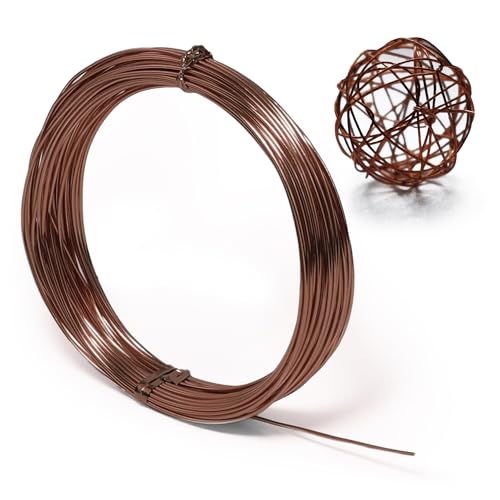
When you are working on a large-scale sculpture, you need a wire that is economical without sacrificing too much quality. Pepperell offers a bulk-friendly option that allows you to build out your entire frame without worrying about the cost of every inch.
It is a solid, mid-range wire that performs reliably across a variety of applications. It has enough tension to hold a shape but is pliable enough to adjust as you build up the volume of your sculpture.
While it might not have the premium finish of specialized artistic wires, it gets the job done. It is the perfect choice for the "internal structure" that will be completely covered by your final medium.
Parawire Tarnish Resistant: Best for Mixed Media
Parawire is an excellent choice if your sculpture involves mixed media where the wire might be exposed to air or moisture. Its tarnish-resistant coating is a game-changer, similar to choosing a high-quality, color-fast yarn that won’t bleed when you block your finished piece.
The coating adds a layer of protection that keeps the wire looking clean and professional throughout the sculpting process. It is durable, flexible, and comes in various gauges to suit different parts of your build.
It is slightly more expensive than standard aluminum, but the peace of mind it provides is worth the investment. If you are creating a piece intended for long-term display, this is a smart, durable choice.
How to Choose the Right Gauge for Your Sculpture
Choosing the right wire gauge is as critical as matching your yarn weight to the correct needle size for a specific pattern. A wire that is too thin will cause your sculpture to wobble, while a wire that is too thick will make the limbs look chunky and unnatural.
- 12-16 Gauge: Use these for the main spine and primary support limbs.
- 18-22 Gauge: Ideal for secondary limbs and structural connections.
- 24-30 Gauge: Perfect for fine details, fingers, and small features.
Always remember that as you add weight (like clay or wool), the wire will need to support that mass. When in doubt, go one gauge thicker for your main structural supports to prevent sagging over time.
Aluminum vs Steel Wire: Which Material to Use
The choice between aluminum and steel comes down to the same logic we use when choosing between plant-based and animal fibers: what does the project demand? Aluminum is your "wool"—versatile, lightweight, and easy to shape.
Steel is your "linen"—stiff, structural, and heavy-duty. If you need a sculpture that can support its own weight and withstand accidental bumps, steel is the superior choice for the core.
If you are creating something that needs to be constantly repositioned, aluminum is better because it won’t fatigue and snap as quickly as steel. Don’t be afraid to use both; a steel spine with aluminum limbs is often the perfect hybrid solution.
Essential Tips for Securing Your Armature Joints
Securing joints is the most important step in armature construction, much like weaving in your ends securely so a garment doesn’t unravel. A loose joint will lead to a sculpture that loses its pose the moment you move it.
- Twist and Wrap: Use pliers to twist the ends of your wire tightly around each other.
- Use Binding Wire: A thinner gauge wire can be wrapped around the junction of two thicker wires to lock them in place.
- Epoxy Putty: For permanent, rock-solid joints, apply a small amount of epoxy putty over the connection point.
Never rely on the wire’s natural tension alone for heavy-duty joints. A little extra reinforcement at the beginning will save you from having to perform "surgery" on your sculpture later.
Selecting the right armature wire is a foundational skill that transforms a loose concept into a stable, poseable reality. By understanding the properties of aluminum versus steel and the importance of gauge, you can ensure your sculptures remain as sturdy as a well-knit sweater. Take your time to experiment with these materials, and don’t be afraid to combine them to achieve the perfect balance of support and flexibility. Your creative projects deserve a strong, reliable skeleton that will stand the test of time.