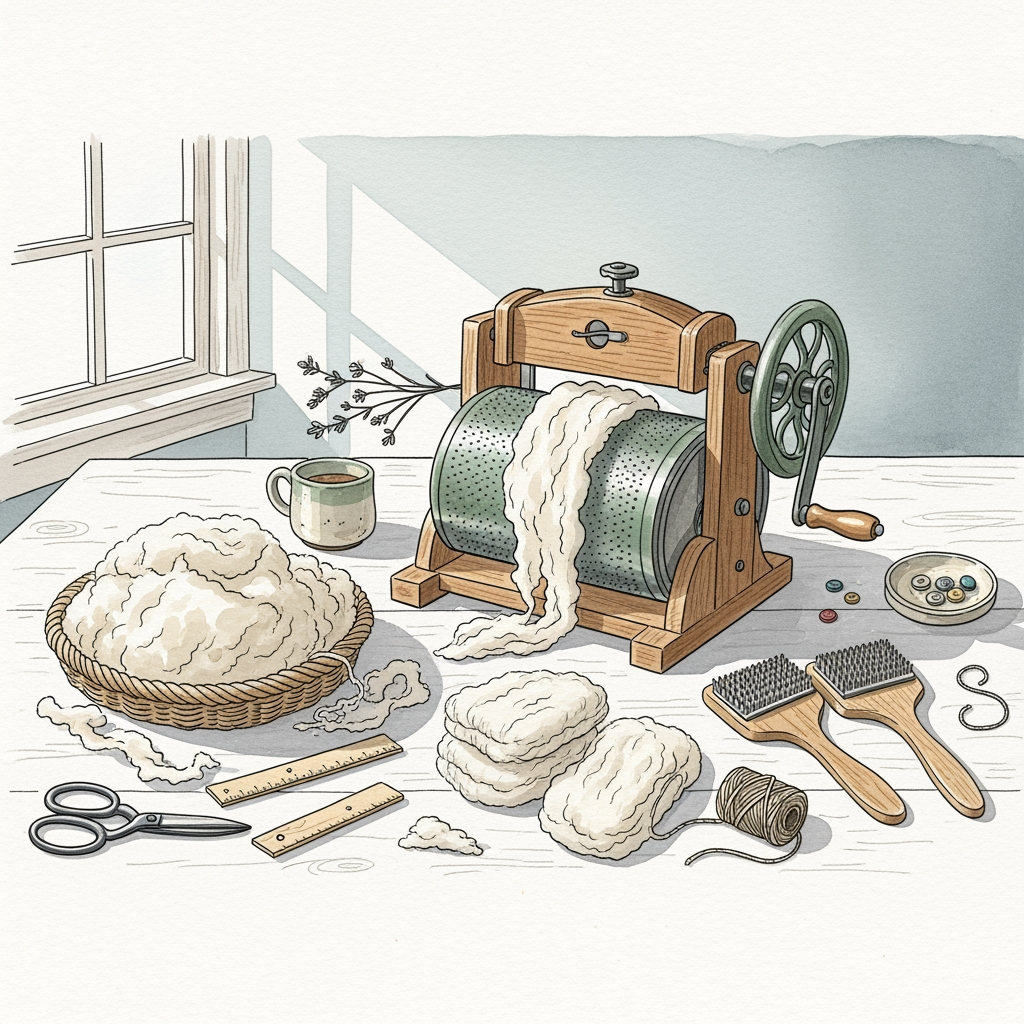
6 Best Sorting Trays For Fiber Preparation To Try
Organize your fiber prep with our top 6 sorting trays. Discover durable, efficient tools designed to streamline your workspace and boost crafting productivity.
Mastering the art of hand-spinning begins long before the fiber touches your wheel or drop spindle. Proper preparation is the secret bridge between a tangled, frustrating mass of raw fleece and a smooth, consistent yarn. Using a dedicated sorting tray transforms your workspace from a chaotic pile of wool into a structured, efficient fiber-prep studio. These tools are the unsung heroes of every great skein you’ve ever admired.
Ashford Wool Sorting Trays: Best Overall Choice


Ashford has long been the gold standard for accessible, reliable fiber equipment. Their sorting trays are no exception, offering a balance of size and utility that fits perfectly on most craft tables.
These trays are lightweight yet sturdy enough to handle a generous amount of raw fleece. The open design allows you to spread out your locks, making it easy to identify vegetable matter or uneven staple lengths at a glance.
If you are a beginner, this is the most practical entry point. You won’t spend a fortune, and the design is intuitive enough that you can start sorting immediately without a learning curve.
Strauch Fiber Equipment Sorting Tray System
Strauch is synonymous with high-end fiber processing, and their tray system reflects that level of precision. These are designed for the serious spinner who processes large quantities of fleece at once.
The modular nature of this system is its greatest strength. You can stack them or lay them out side-by-side to create a dedicated "sorting station" that keeps your workspace organized during marathon prep sessions.
While they represent a higher investment, the build quality is exceptional. If you find yourself processing entire fleeces regularly, the durability of these trays makes them a smart long-term investment.
Schacht Spindle Company Hand-Crafted Trays

Schacht brings a touch of elegance to the prep process with their hand-crafted wood trays. They are beautiful enough to keep on your coffee table, yet functional enough for professional-grade sorting.
The wood finish is smooth, ensuring that delicate fibers like fine Merino or kid mohair don’t snag or tear. This is a critical detail; a splintered or rough surface can ruin a high-quality fiber before you even begin spinning.
These trays are ideal for the spinner who values aesthetics as much as utility. They turn the chore of sorting into a tactile, enjoyable part of the creative process.
Nancy’s Knit Knacks Fiber Prep Organizer
Nancy’s Knit Knacks focuses on the practical details that often get overlooked. This organizer is less of a simple tray and more of a comprehensive workstation for your fiber.
The design often includes compartments that help you separate fiber by quality or color. If you are blending different breeds or colors to achieve a specific heathered effect, this tool is invaluable for keeping your "recipe" organized.
It is particularly useful for those working in small spaces. The compact footprint allows you to keep your fiber organized without taking over your entire dining room table.
Majacraft Spinning Tray for Fiber Blending
Majacraft understands the specific needs of fiber blenders. Their trays are designed with the geometry of blending boards and hand cards in mind, making the transition from sorting to carding seamless.

The surface area is optimized for laying out fiber in preparation for creating rolags or batts. This makes it much easier to maintain consistency in your blends, especially when working with complex color gradients.
If your goal is to create custom art yarns, this is the tool for you. It helps you keep your various fibers distinct until the precise moment you are ready to combine them.
Paradise Fibers Bamboo Sorting Tray Set

Bamboo is an excellent material for fiber tools because it is naturally smooth and lightweight. The Paradise Fibers set offers a sustainable, eco-friendly option that doesn’t sacrifice performance.
The set usually includes multiple trays, which is a massive help when you are grading a fleece. You can have one tray for "prime" wool, one for "seconds," and another for waste, significantly speeding up your workflow.
Because bamboo is so smooth, it is very easy to wipe down and keep clean. If you are working with greasy, raw wool, having a tool that is easy to sanitize is a major benefit.
Why Fiber Sorting Trays Improve Your Spinning
Sorting is the process of removing debris, second cuts, and inferior wool from your fleece. Without a tray, this debris inevitably ends up in your yarn, leading to lumps, bumps, and inconsistent tension.
A tray forces you to slow down and examine the fiber. By spreading the wool out, you can see the true staple length and crimp, which tells you exactly how the fiber will behave once it is spun.
Think of it as the fiber equivalent of swatching. Just as you wouldn’t start a sweater without testing your gauge, you shouldn’t start spinning a fleece without properly grading it on a tray.
Key Features to Seek in Fiber Sorting Tools
When shopping for a tray, look for a surface that is smooth and snag-free. You want to avoid any rough edges that could catch on delicate fibers.
- Size: Ensure it fits your workspace but is large enough to spread out a handful of locks.
- Material: Wood is classic and durable, while bamboo is lightweight and sustainable.
- Compartments: Useful if you like to keep different colors or breeds separate.
- Portability: If you move between rooms, look for something lightweight that can be easily transported.
Always consider the scale of your projects. If you only spin small amounts of luxury fiber, a single, high-quality tray is better than a set of cheap, bulky ones.
Organizing Your Wool by Staple and Quality
Sorting by staple length is the most important step for achieving a smooth, consistent yarn. If you spin a long staple alongside a short one, your yarn will have inconsistent strength and texture.
Use your tray to group locks by length before you begin carding or combing. This ensures that every rolag or top you create is uniform, which makes the actual spinning process much more meditative.
Don’t be afraid to be ruthless with your sorting. If a lock is full of vegetable matter or is significantly shorter than the rest of the batch, toss it into the "waste" pile; your future self will thank you when you aren’t picking bits out of your finished garment.
Maintenance Tips for Wood Fiber Prep Tools
Wood is a natural material that can dry out over time. Occasionally rubbing your trays with a light application of food-grade mineral oil or a wood conditioner will keep the surface smooth and prevent splintering.

Keep your trays away from direct heat sources and excessive moisture. Extreme temperature changes can cause wood to warp, which will make your tray sit unevenly on your table.
If you are working with particularly greasy raw wool, wipe your trays down with a soft, dry cloth after each session. This prevents the lanolin from building up and becoming sticky, which can attract dust and dirt over time.
Investing in a quality sorting tray is one of the most effective ways to elevate your hand-spinning practice. By taking the time to organize your fiber, you set yourself up for a much smoother, more enjoyable spinning session. Choose a tool that fits your space and your process, and you will find your yarn becoming more consistent with every project. Happy spinning, and may your staples always be well-aligned.