7 Best Embroidery Stand Holders For Hands Free Stitching
Boost your embroidery efficiency with our top 7 hands-free stands. Discover ergonomic, stable designs that improve posture and precision for every project.
Many fiber artists find that their most intricate work suffers when their hands are busy fighting to hold a heavy hoop or frame. Transitioning to a hands-free embroidery stand is the single most effective way to improve your stitch tension and overall comfort. These tools aren’t just for embroidery; they are essential for anyone who wants to preserve their joints during long sessions of needlework or beadwork. Investing in the right support system allows you to focus entirely on your craft rather than managing your equipment.
Lowery Workstand: Best Professional Choice
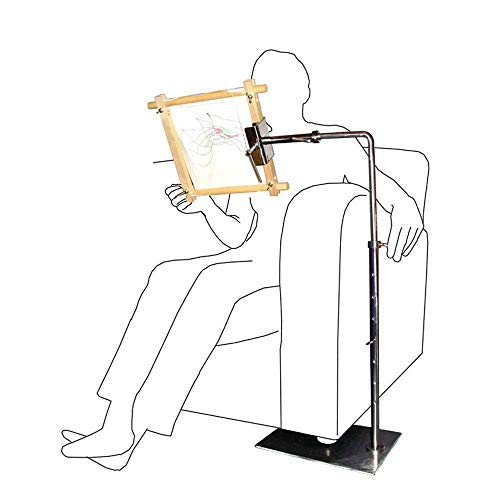

The Lowery is widely considered the gold standard for serious needleworkers who demand absolute stability. Its unique L-shaped design allows it to tuck neatly under your chair or sofa, bringing your work exactly where you need it.
Because it is constructed from solid metal, it doesn’t suffer from the "wobble" that plagues cheaper wooden stands. This rigidity is vital when you are working on large, heavy projects like a complex cross-stitch sampler or a dense piece of crewelwork.
The primary tradeoff here is the learning curve of the adjustment knobs. While they offer infinite positioning, they require a bit of practice to lock down tightly enough to prevent sagging under the weight of larger frames.
Edmunds Hand-Free Floor Embroidery Stand
If you are looking for a reliable, no-nonsense stand that gets the job done without breaking the bank, this is a fantastic entry point. It is a classic floor model that holds your hoop securely while you sit comfortably in your favorite armchair.
The height is adjustable, which is a massive relief for those of us who struggle with neck strain during long crafting marathons. You can easily position it to keep your work at eye level, promoting much better posture than hunching over a lap hoop.
Keep in mind that this stand is relatively lightweight, meaning it might shift if you are a particularly vigorous stitcher. It is best suited for medium-sized projects rather than massive, heavy frames that require industrial-grade support.
Needlework System 4: Best Modular Design

The Needlework System 4 is essentially the "Lego set" of the embroidery world. Its genius lies in its modularity, allowing you to swap out different frame holders as your project needs change from a small hoop to a large scroll frame.
This system is an investment, but it is built to last a lifetime. If you frequently switch between different styles of fiber arts—perhaps moving from delicate silk embroidery to heavier tapestry work—this stand adapts to you, not the other way around.
The complexity of the assembly can be intimidating at first glance. However, once you have your preferred configuration set, the stability is unmatched, providing a rock-solid foundation for even the most delicate, high-tension stitches.
Elbesee Versatile Seat Embroidery Frame

The Elbesee is a clever solution for those who don’t have the floor space for a large stand. It slides neatly under your thigh while you sit, turning your own body weight into the anchor for your embroidery frame.
It is incredibly portable and perfect for taking your work to a knitting circle or a weekend retreat. Because it sits on your lap, it keeps the work close to your torso, which naturally encourages a more upright, supported sitting position.
The main limitation is that it does not offer the same range of motion as a floor stand. If you prefer to change your angle frequently throughout a session, you might find the seat-based design slightly restrictive compared to a free-standing unit.
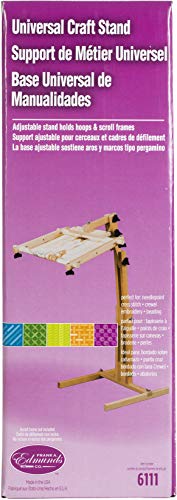
Frank A. Edmunds Universal Craft Stand
This stand earns its "universal" title by being compatible with almost any hoop or frame you might already own. It is a versatile workhorse that bridges the gap between basic lap frames and expensive professional systems.
I appreciate that it allows you to rotate your work 360 degrees, which is essential for checking the back of your stitching for tangles. Keeping the back of your work clean is just as important as the front, especially when working with delicate fibers like silk or fine linen.
The wooden construction is beautiful and lightweight, but be mindful of the screws over time. Periodic tightening is necessary to ensure the stand remains stable, as wood can naturally expand and contract with the humidity in your home.
Omanik Factory Siesta Embroidery Stand

The Siesta stand is a masterpiece of engineering, specifically designed for those who work with large scroll frames. It is incredibly sturdy and features a sophisticated clamping mechanism that holds your fabric drum-tight.
Maintaining consistent fabric tension is the secret to professional-looking stitches. When your fabric is loose, your stitches can easily become distorted; the Siesta eliminates this variable, ensuring your work remains perfectly uniform from start to finish.
This is a premium piece of equipment that occupies a significant footprint in your craft room. If you are a dedicated stitcher who works on large-scale pieces, the space it takes up is a small price to pay for the ergonomic relief it provides.
Daylight Company StitchSmart Floor Stand

The StitchSmart stand is a brilliant example of how lighting and support can work in tandem. It features a sturdy base and a specialized arm that can hold both your frame and a daylight lamp, ensuring you never strain your eyes again.
Good lighting is just as important as good posture when it comes to preventing fatigue. Being able to see your needle entry points clearly means you can work with a lighter touch, which reduces the physical stress on your hands and wrists.
This stand is best for those who want an all-in-one workstation. While it may not offer the extreme modularity of the System 4, its focus on visibility and ergonomic positioning makes it a top-tier choice for daily stitching.
How to Choose the Right Embroidery Stand
When selecting a stand, first consider your available space and your primary project type. If you work on small, portable items, a seat stand is sufficient; if you tackle large, heavy linens, you need the stability of a floor-based system.
- Weight Capacity: Can it hold your heaviest scroll frame without sagging?
- Adjustability: Does it allow for height and angle changes to accommodate different chairs?
- Portability: Do you need to pack it away after every session?
- Footprint: How much floor space can you realistically dedicate to your setup?
Don’t ignore the importance of your chair. A stand that works perfectly with a low sofa might be useless if you prefer to sit at a desk or a high-backed dining chair.
Why Hands-Free Stitching Improves Posture
We often forget that needlework is a physical activity that requires sustained muscular effort. When you hold a hoop in your hand, you are constantly tensing your shoulders and neck, which leads to the dreaded "stitcher’s slump."
By offloading the weight of the hoop to a stand, you allow your shoulders to relax into a neutral, downward position. This simple change improves circulation to your hands and prevents the nerve compression that often causes tingling in the fingers.
Think of it like knitting: if you hold your needles too tightly, your hands cramp. By using a stand, you free your hands to focus solely on the needle movement, allowing for a lighter, more fluid stitch that results in a better finished product.
Essential Care for Your Embroidery Tools
Just like your knitting needles, your embroidery stands require regular maintenance to perform their best. Check all knobs, wingnuts, and tension screws every few weeks to ensure they are tight and free of debris.
If you have a wooden stand, avoid storing it in areas with extreme temperature fluctuations, as this can cause the wood to warp or crack. A light dusting and an occasional wipe-down with a wood-safe conditioner will keep the finish smooth and snag-free.
For metal stands, keep an eye on the moving parts; a tiny drop of machine oil can work wonders if a joint becomes stiff. Treating your tools with the same care as your fiber will ensure they remain reliable partners in your creative journey for years to come.
Choosing a hands-free embroidery stand is a transformative step that turns a physically taxing hobby into a sustainable, lifelong practice. By reducing the strain on your body, you are not just protecting your health, but also ensuring that your stitches remain consistent and beautiful. Take the time to assess your specific needs and workspace before making a decision. Remember, the best tool is the one that disappears into the background, leaving you with nothing but the pure joy of the stitch.