6 Best Dedicated Dye Pots For Wool Dyeing Worth Using
Selecting the right dye pot is vital for wool. We review six top-tier, non-reactive vessels that ensure even color and safety for your next dyeing project.
Stepping into the world of hand-dyed yarn is a transformative experience, turning a skein of undyed wool into a bespoke canvas for your next project. However, the transition from knitter to dyer requires a shift in your tool kit, specifically regarding the vessels you use to apply color. Using your kitchen cookware for professional-grade dyes is a recipe for disaster, making a dedicated dye pot an essential investment. Here are the top choices to ensure your yarn stays vibrant and your kitchen remains safe.
Granite Ware 19-Quart Canner: Best Overall Pick


The Granite Ware 19-quart canner is the quintessential workhorse for most home dyers. Its lightweight enamel-on-steel construction makes it incredibly easy to move from the stove to the sink, even when filled with water and soaking wool.
The generous 19-quart capacity is the "Goldilocks" size for a knitter who typically works with 400-500 gram batches of yarn. You have enough room for the water to circulate freely, which is vital for preventing patchy, uneven color distribution.
Because it is made of porcelain enamel, it is non-reactive, meaning it won’t alter the chemistry of your acid dyes. It is a fantastic, budget-friendly entry point for anyone serious about building a permanent dye studio.
Presto 23-Quart Pressure Canner: Best for Large Batches

If you are a prolific knitter who enjoys dyeing sweater quantities all at once, the Presto 23-quart pressure canner is your best friend. While it is designed for canning, you will never actually use the pressure function for dyeing; you are simply buying it for its massive, deep volume.
The depth is particularly useful for immersion dyeing, where you want the yarn to be completely submerged without crowding. Crowded yarn leads to "yarn tangles" and uneven absorption, which can ruin the look of a complex colorway.
This pot provides enough space to handle a full kilogram of superwash wool comfortably. Just be aware that it is heavy when full, so ensure your stove burner can handle the weight and your back is ready for the lift.
Bayou Classic 30-Quart Stockpot: Best Heavy Duty Option
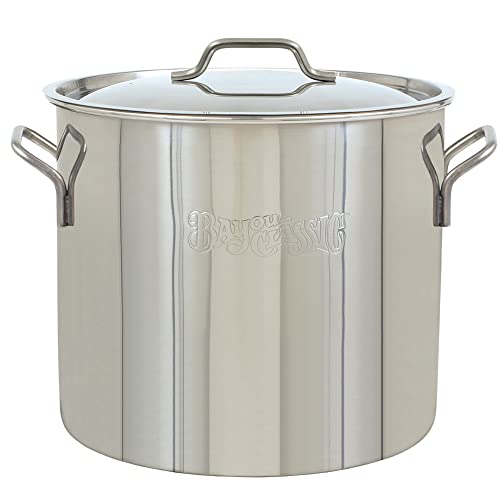
When you move into professional-level dyeing, you need equipment that can withstand the rigors of constant, high-heat usage. The Bayou Classic 30-quart stockpot is built like a tank, featuring heavy-duty stainless steel that resists dents and warping.
This pot is ideal for those who use a turkey fryer burner outside, as the thick base distributes heat evenly without creating "hot spots." Hot spots are the enemy of consistent color, as they can cause the dye to strike too quickly in one area.
While it is a significant investment, the durability is unmatched. It will likely be the last dye pot you ever need to buy, providing a lifetime of consistent color results for your knitting projects.
Tramontina 24-Quart Stainless Pot: Best Value Choice

Finding a balance between quality and cost is difficult, but the Tramontina 24-quart stainless steel pot hits that sweet spot perfectly. It offers a professional aesthetic and solid construction without the premium price tag of high-end culinary brands.
The stainless steel finish is incredibly easy to clean, which is essential when switching between different dye palettes. If you are moving from a deep indigo to a bright yellow, you need a surface that won’t hold onto residual pigment.
It is a reliable, mid-sized option that fits well on most standard kitchen stoves. It is the perfect choice for the knitter who wants to level up from an old kitchen pot but isn’t ready to invest in heavy-duty commercial gear.
All-Clad 12-Quart Stockpot: Best Precision Heating

Sometimes you don’t need a massive vat; you need precision, especially when working with delicate hand-painted yarns or small-batch experiments. The All-Clad 12-quart stockpot features a bonded construction that ensures incredibly even heat distribution.
This is the pot I recommend for dyers who are obsessed with the "slow cook" method of setting color. Because the heat is so consistent, you can maintain a gentle simmer without the risk of boiling your wool, which would cause it to felt.
It is a premium choice, but for the knitter who treats dyeing like a delicate science, the performance is worth the cost. It’s compact enough to store easily in a standard cabinet, yet robust enough for high-quality results.
Farberware 16-Quart Stockpot: Best Compact Dyeing Pot

The Farberware 16-quart stockpot is ideal for the knitter who has limited space or only dyes one or two skeins at a time. It is lightweight, affordable, and gets the job done without taking over your entire stove.
It is perfect for trying out new techniques, like speckled dyeing or gradient work, where you want to keep the yarn relatively static in the pot. The smaller diameter makes it easier to control the placement of your dye applications.
Don’t let the lower price point fool you; it is a perfectly capable vessel for acid-dyeing wool. It’s a great way to start your journey without committing to the massive footprint of a canning pot.
Why You Must Use Dedicated Pots for Wool Dyeing
The most important rule in dyeing is simple: never use your dye pots for food. Even if you are using food-grade dyes, the process of heating and cooling can leave microscopic residues in the pores of the metal or enamel.
Dyeing involves chemicals like citric acid or vinegar, which can etch the surface of your cookware over time. If you use your soup pot for dyeing, you risk introducing those chemicals—or residual dye—into your next family dinner.
A dedicated pot ensures your yarn is free from kitchen grease and your food is free from synthetic pigments. It is a fundamental safety boundary that every fiber artist must respect.
Material Matters: Stainless Steel vs. Enamelware
When choosing a pot, you are generally deciding between stainless steel and enamelware. Both are excellent choices, but they serve different needs in the studio.
- Stainless Steel: Extremely durable, non-reactive, and easy to clean. It is the gold standard for long-term professional use.
- Enamelware: Lightweight and very affordable. It is non-reactive as long as the enamel coating is not chipped or cracked.
If you choose enamel, inspect the interior regularly for chips. Once the metal core is exposed, it can react with your dyes and cause unpredictable color shifts or rust spots on your precious yarn.
Essential Safety Gear for Safe Home Yarn Dyeing
Dyeing is a chemical process, and you should treat it with the same caution you would use in a lab. Always work in a well-ventilated area to avoid inhaling steam or dye dust.
- N95 Dust Mask: Essential when handling powdered dyes to prevent inhalation.
- Nitrile Gloves: Protect your skin from staining and potential chemical irritants.
- Dedicated Utensils: Use stainless steel tongs or spoons that are clearly marked for dye use only.
Never eat or drink while you are actively working with dye powders. Keep your workspace clean, and always have a designated area for your "dirty" tools to prevent cross-contamination.
Maintaining Your Dye Pots for Long-Term Durability
Your dye pots will last for years if you treat them with care. After each session, wash the pot thoroughly with mild dish soap and warm water to remove any lingering dye or acid.
Avoid using harsh scouring pads on enamelware, as they can scratch the surface and create hiding spots for dye residue. For stainless steel, a little bit of vinegar and water can help remove stubborn mineral deposits or dye stains.
Store your pots dry and uncovered to prevent moisture buildup, which can lead to rust. By maintaining your equipment, you ensure that every skein you process is as clean and vibrant as the last.
Investing in a dedicated dye pot is the first step toward taking full control of your knitting palette and creating truly unique garments. Whether you choose the massive capacity of a pressure canner or the precision of a stainless steel stockpot, your choice should reflect your specific project needs. Remember that safety and cleanliness are the foundations of a successful dye studio. With the right vessel in hand, you are ready to turn your creative vision into beautiful, hand-dyed reality.