6 Best Felt Backing Sheets For Structural Support
Discover the 6 best felt backing sheets for optimal structural support. This guide evaluates durability, material quality, and ease of use for your projects.
Adding a structural backing to your hand-knit projects can be the difference between a sagging heirloom and a crisp, professional-grade accessory. Whether you are reinforcing a delicate lace shawl or providing a firm foundation for an embroidered sweater, the right felt sheet acts as an invisible skeleton. Choosing the correct material requires balancing flexibility, weight, and the permanence of your attachment method. This guide will help you navigate the best backing options to ensure your hard work stays structured and beautiful for years to come.
Kunin Premium Felt: Best All-Purpose Choice


Kunin Premium felt is the workhorse of the crafting world, made from eco-fi recycled plastic bottles. It strikes a reliable balance between softness and density, making it an excellent choice for knitters who need a bit of body without turning their project into a stiff board.
Because it is synthetic, it doesn’t shrink or stretch in ways that might fight against your knit fabric during blocking. It is thin enough to remain pliable, meaning your finished piece will still drape comfortably rather than feeling like a piece of cardboard.
If you are new to reinforcing projects, start here. It is forgiving, inexpensive, and widely available, allowing you to experiment with different thicknesses without breaking the bank.
National Nonwovens Wool Felt: Best Quality

When you have spent months on an intricate stranded colorwork project or a complex cable sweater, you shouldn’t skimp on the backing. National Nonwovens offers a high-end wool felt that provides a luxurious, organic feel that synthetic options simply cannot replicate.
Wool felt has a natural grip that helps it "cling" to the back of your knitting, reducing the amount of sewing required to keep it in place. It is also breathable, which is crucial if you are backing a garment meant to be worn against the skin.
While it is more expensive and requires more care during laundering, the longevity of wool is superior. Use this for your "forever" pieces that deserve a backing with as much character as the yarn itself.
Pellon 501 Craft Fuse: Best Iron-On Option

Sometimes, you don’t want to spend hours whip-stitching a backing into place. Pellon 501 is a fusible interfacing that features a light adhesive on one side, allowing you to bond it directly to the back of your fabric with a warm iron.
This is a game-changer for knitters who struggle with uneven tension or puckering when sewing on a separate lining. The heat-activated adhesive creates a permanent bond that supports the fabric across its entire surface area, effectively preventing the "sag" that can occur in heavy knit bags or structured accessories.
Always perform a test swatch first, as the heat can sometimes alter the loft of delicate wool fibers. If you’re working with a synthetic yarn, keep your iron temperature low to avoid melting the fibers.
Sulky Sticky Fabri-Solvy: Best Stabilizer
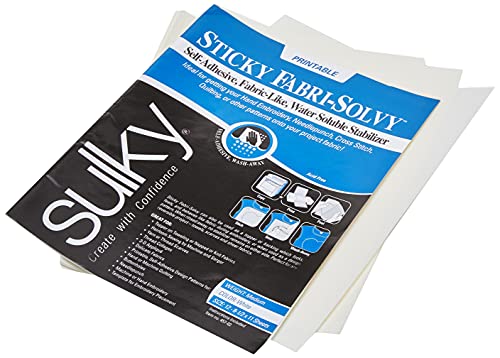
If your goal is to provide temporary support while you embroider or sew embellishments onto your knitwear, this is your best friend. It is a water-soluble stabilizer that feels like felt but dissolves completely when you dunk your project in water.
This is invaluable for knitters who find that their fabric distorts or pulls when they add heavy beads or complex surface embroidery. It provides the necessary tension to keep your stitches neat, then vanishes, leaving your knit fabric exactly as it was.
Just remember that this is a temporary solution, not a permanent structural backing. Once you wash it away, the support is gone, so ensure your embroidery stitches are secure enough to hold the weight of the embellishments on their own.
FeltRight Modular Tiles: Best for Wall Backing
If your "knitting project" is actually a piece of fiber art intended for display, you need a different kind of support. FeltRight tiles are rigid, modular, and designed to be mounted, making them perfect for displaying tapestries or heavy wall hangings.
These tiles provide a firm, flat surface that prevents your fiber art from warping under its own weight over time. Because they are modular, you can customize the shape of your backing to match the silhouette of your knitting perfectly.
This is strictly for decorative work; do not attempt to use these for wearable garments. They are far too stiff and will destroy the drape of any sweater or shawl.
Creatology Stiffened Felt: Best for Structure

When you need serious vertical support—like for the base of a knitted basket or the brim of a hat—Creatology’s stiffened felt is the go-to. It is treated to be significantly more rigid than standard craft felt, acting more like a plastic insert than a fabric backing.
It holds its shape against gravity, which is essential for projects that need to stand up on their own. You can easily cut it with standard shears, and it won’t fray at the edges, saving you the hassle of finishing seams.
Use this sparingly, as it does not flex. If you try to use it in a garment that needs to move with your body, it will create uncomfortable pressure points and restrict your range of motion.
Key Factors for Choosing Felt Backing Sheets
Choosing the right backing isn’t just about what is available at the store; it is about how the backing interacts with your specific gauge and fiber choice. You must consider the weight of your yarn: a heavy, worsted-weight wool will require a denser felt than a delicate fingering-weight lace.
Consider the "hand" of your finished fabric. If you want your project to retain its soft, squishy quality, choose a thinner, more flexible felt. If you are making a bag or a structural piece, you need a high-density, stiffened material.
Finally, think about the cleaning requirements of your project. If you are using a superwash wool that you intend to machine wash, ensure your backing is also machine washable and that your attachment method can withstand the agitation of a laundry cycle.
Comparing Synthetic vs. Natural Wool Felt
Synthetic felt, usually made from polyester or recycled plastics, is incredibly durable and resistant to moths. It is often the safer choice for beginners because it is inexpensive and comes in a massive variety of colors.
Natural wool felt, however, offers a level of resilience and "memory" that synthetics lack. It compresses and recovers beautifully, and it has a natural friction that helps it stay put against the back of knit stitches.
The tradeoff is primarily cost and maintenance. Wool felt can felt further if agitated in hot water, which could be a disaster if your knit piece is already perfectly blocked to size.
Techniques for Attaching Felt to Knitwear
The most common mistake is sewing the felt too tightly, which causes the knit fabric to pucker and pull. Instead, use a loose whip stitch or a ladder stitch, and always work with the knit fabric lying flat on a table to ensure you aren’t stretching it as you sew.
If you are using a fusible backing, use a pressing cloth between your iron and the knitting to protect the yarn fibers from scorching. Always work from the center of the piece outward to push any excess fabric toward the edges, preventing bubbles in the middle of your work.
For heavy-duty applications, consider using a running stitch around the perimeter of the felt. This distributes the tension more evenly than a few isolated stitches and keeps the edges of the felt from rolling.
Troubleshooting Common Felt Backing Issues
The most frequent issue is the "bunching" effect, where the felt and the knit fabric move at different rates, causing ripples. This is almost always caused by not pinning the two layers together thoroughly before you begin sewing or fusing.
If your felt is visible from the front of your knitting, you likely chose a piece that is too large or you didn’t trim your edges cleanly. Use sharp, dedicated fabric scissors to trim your felt slightly smaller than the knit area so it stays hidden behind the edges.
If you find that your backing is making your garment feel hot or stiff, it is likely that you used a backing that is too thick. In these cases, it is better to use a smaller, strategically placed piece of felt rather than covering the entire back of the project.
Selecting the right felt backing is an essential skill that elevates your knitting from a hobby to a refined craft. By carefully considering the weight of your yarn and the intended use of the finished piece, you can provide the necessary structure without sacrificing the comfort of your work. Remember that the best backing is the one that supports your vision while remaining invisible to the observer. Take your time with the attachment process, and your projects will reward you with years of beautiful, stable wear.