6 Best Metal Rings For Bag Handle Attachment Reviewed
Upgrade your DIY bags with our top 6 metal rings. We review durability, finish, and ease of attachment to help you choose the best hardware for your projects.
Choosing the right hardware for your handmade bags is just as critical as selecting the perfect yarn weight for a sweater. A beautiful knitted tote can quickly lose its shape or functionality if the handle attachment points fail under the weight of your daily carry. These metal rings serve as the essential bridge between your soft, flexible fiber work and the structural demands of a functional bag. Finding the balance between aesthetic appeal and industrial-strength reliability is the secret to making a project that lasts for years.
Emmababy Heavy Duty D-Rings: Best Overall Choice
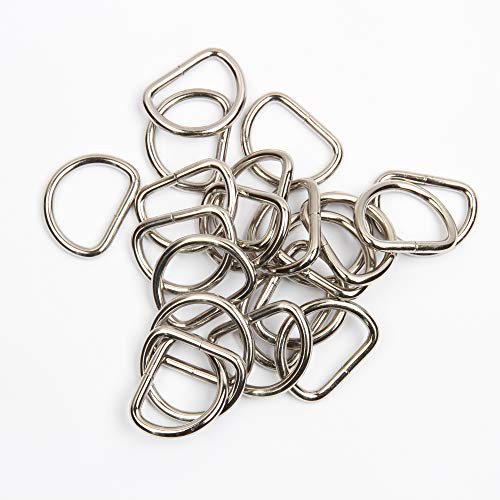

These D-rings are the workhorses of the bag-making world, offering a flat base that keeps your handle webbing or leather tabs from twisting. When you’ve spent weeks on a complex cabled bag, you don’t want the handle hardware to flip and distort your stitches.
The heavy-duty construction is ideal for larger totes that carry heavy loads, like a project bag stuffed with wool roving or multiple skeins of yarn. Because they are thick and sturdy, they provide a secure anchor point that won’t deform under pressure.
However, keep in mind that their size can be bulky for delicate, small purses. If you are working with a lightweight lace-weight yarn, these might overwhelm the scale of your design. Always consider the weight of your finished fabric before committing to heavy-duty hardware.
O-Ring Purse Hardware: Best For Leather Handles
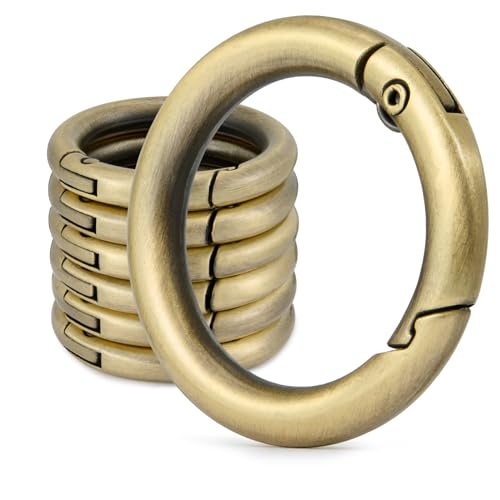
O-rings provide a classic, circular aesthetic that pairs beautifully with leather handles or braided cord handles. They allow for a natural pivot, which is excellent if your bag is prone to shifting while you walk.
The circular shape distributes tension evenly around the entire circumference of the ring. This is a significant advantage if you are attaching handles to a knitted fabric, as it prevents the stress from concentrating on a single point of your stitches.
The main trade-off here is that the handle can slide around the ring, potentially causing uneven wear on your handle material over time. If you use a soft, vegetable-tanned leather, ensure the ring surface is smooth to prevent snagging or scratching the leather grain.
BuckleGuy Solid Brass Rings: Best Premium Option
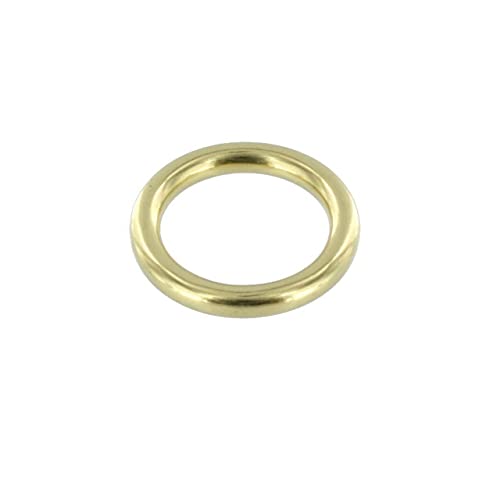
If you are crafting a "forever bag" using high-end fibers like cashmere or silk-blend yarns, you need hardware that matches the quality of your materials. Solid brass is superior because it won’t rust or corrode, and it develops a beautiful patina as the bag ages.
These rings are machined with precision, meaning there are no sharp burrs or rough seams that could snag your delicate knitted fabric. In fiber arts, even a tiny imperfection on a metal ring can lead to a pulled stitch, which is heartbreak for any knitter.
While the price point is higher, the investment is worth it for heirloom-quality projects. Think of this like choosing high-quality needles; the right tool makes the process easier and the result more durable.
Prym Metal Swivel Rings: Best For Easy Rotation

Swivel rings feature a built-in mechanism that allows the handle to rotate 360 degrees. This is a game-changer for bags that see heavy use, as it eliminates the twisting that often happens when you set your bag down or pick it up in a hurry.
For knitters, this is particularly useful if your bag has a structured shape that you want to maintain. When the handle rotates freely, it prevents the bag’s opening from being pulled out of shape by a twisted strap.
Be aware that moving parts can eventually wear down, unlike a solid, one-piece ring. If you choose these, ensure they are made from a high-quality alloy to prevent the swivel mechanism from sticking or rattling over time.
Tandy Leather Steel Rings: Best For Durability

Tandy hardware is designed for the rugged demands of leatherworking, which makes it incredibly reliable for heavy-duty knitting projects. Steel is inherently stronger than many zinc-alloy alternatives found in craft stores.
These rings are often finished with a plating that resists scratching, keeping your bag looking polished even after months of daily use. If you are knitting a bag intended for outdoor use or travel, this steel hardware will hold up to the elements.
The weight is the biggest consideration here; steel is heavier than aluminum or plastic. If your bag is already heavy due to the density of your stitch pattern, adding steel hardware will increase the overall load on your shoulder.
Amazon Basics Split Rings: Best Budget Hardware

Split rings are essentially oversized key rings, providing a simple and effective way to attach handles. They are perfect for beginners who are testing out their first bag pattern and don’t want to invest heavily in expensive hardware yet.
They are incredibly easy to install, requiring no special tools beyond a pair of pliers. This makes them a great choice for quick, iterative projects where you might want to swap out handles or change the look of the bag frequently.
The downside is that the "split" can sometimes catch on loose yarn ends or delicate fiber strands. If you use these, make sure to orient the split side away from your knitting to avoid accidental snags.
How To Select The Right Metal For Your Bag Project
Choosing the right metal is about matching the weight of the hardware to the weight of your yarn. A heavy steel ring on a light cotton-blend bag will cause the fabric to sag and distort, ruining your hard work.
- Brass: Best for luxury projects, develops a nice patina, very durable.
- Steel: Best for heavy-duty, utilitarian bags that need maximum strength.
- Zinc Alloy: Best for decorative, lightweight purses; widely available but less durable.
Always consider the finish of the metal in relation to your color palette. A cool-toned silver finish might clash with warm-toned, earth-dyed wools, whereas brass or antique copper often complements natural fibers beautifully.
Understanding Load Bearing Capacity For Bag Rings
Load-bearing capacity isn’t just about the ring; it’s about the strength of the connection point. Even the strongest steel ring will fail if the yarn you use to secure it to the bag is weak or poorly reinforced.
When you are knitting your bag, consider using a reinforced stitch pattern like a double-thick band or a slipped-stitch edge where the ring will be attached. This creates a denser, more stable foundation for the hardware.
Never exceed the manufacturer’s recommended weight for the ring. If you are carrying heavy items like water bottles or extra yarn, choose a thicker gauge ring to ensure the metal doesn’t bend or snap under the tension.
Techniques For Attaching Rings To Knitted Fabrics
Never attach a metal ring directly to your main knitted fabric. The weight will cause the stitches to stretch and eventually ladder, leading to a structural failure of your bag.
Instead, knit a separate, dense tab or loop using a smaller needle size than the rest of the bag to create a tighter gauge. This "anchoring tab" should be sewn securely into the bag’s structure, ideally integrated into a seam or a reinforced top band.
Use a heavy-duty thread, such as a waxed polyester or a strong nylon cord, to stitch the ring to the tab. A whip stitch or a blanket stitch around the ring, passing through your knitted tab, provides the most secure hold.
Essential Tools For Installing Bag Handle Hardware
You don’t need a full workshop, but a few key tools will make your life much easier. A good pair of needle-nose pliers is essential for opening split rings or manipulating jump rings without scratching the finish.
Having a sturdy tapestry needle is non-negotiable for sewing your attachment tabs to the bag. Look for a needle with a slightly blunt tip to slide between your knitted stitches without splitting the yarn fibers.
Finally, keep a small screwdriver or a specialized hardware installation tool on hand if your rings require a screw-post attachment. Always test your installation on a swatch before working on your final project to ensure your tools won’t damage your yarn.
Selecting the right metal ring is a small but vital detail that transforms a simple knitted piece into a functional accessory. By considering the weight of your fiber, the structure of your stitch, and the durability of the hardware, you ensure your bag remains a reliable companion. Take your time with the attachment process, as a secure connection is the foundation of a long-lasting project. Happy making, and may your handles always hold strong!