7 Best Blocking Boards For Shape Retention To Own
Discover the 7 best blocking boards to ensure perfect shape retention. Our guide reviews top materials and sizes to help your knit projects look professional.
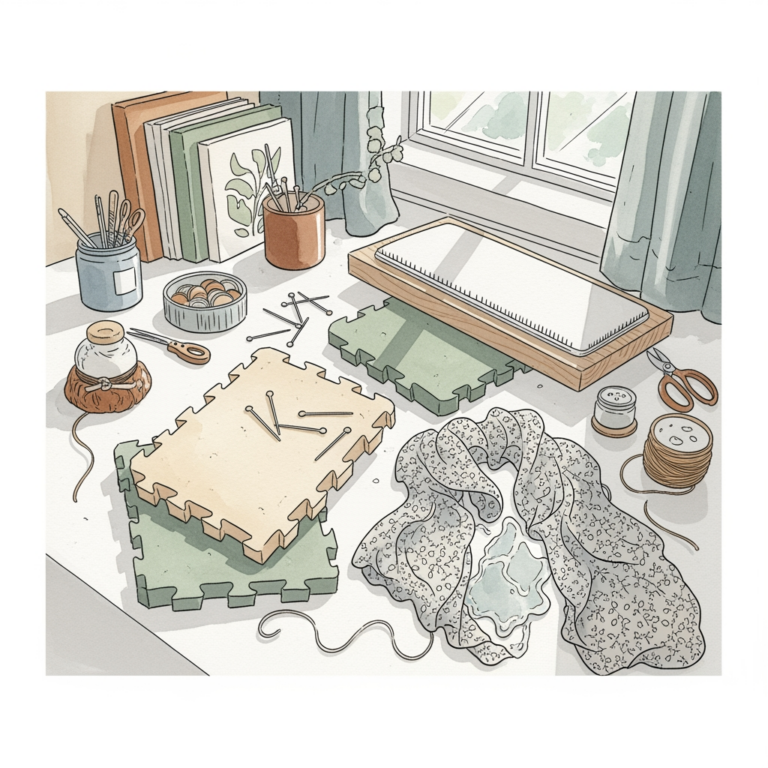
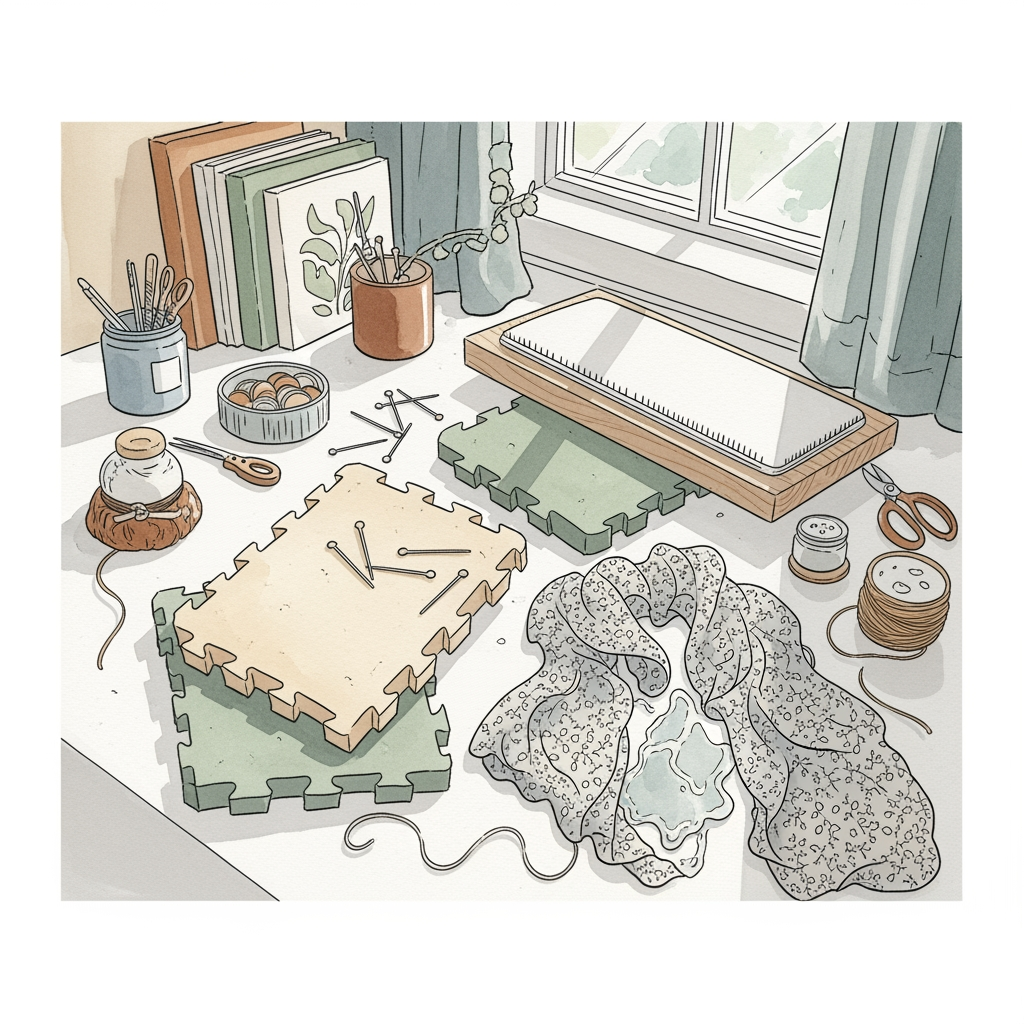
Achieving the perfect finish on a hand-knit garment is often the difference between a homemade look and a professional, store-quality piece. Blocking is the final, essential step that evens out your stitches and sets the final dimensions of your hard work. Choosing the right surface for this process ensures your lace opens up correctly and your seams align perfectly every time. These seven boards represent the best tools available to help you master the art of shape retention.
Knitter’s Pride Lace Blocking Mats: Best Overall


These mats have become a staple in my studio because they strike the perfect balance between firmness and portability. They are thick enough to hold a T-pin securely, yet light enough to move around if you need to clear your dining room table for dinner.
The grid lines printed directly onto the foam are a game-changer for symmetrical projects. When you are blocking a complex lace shawl, having a visual guide helps ensure your points are equidistant from the center line.
If you frequently alternate between small accessories and larger sweaters, this set is your workhorse. They are reliable, durable, and provide the consistent resistance needed for even the most stubborn wool fibers.
Grassland Blocking Boards: Best for Large Projects

When you are tackling a full-sized adult sweater or a heavy wool blanket, standard square mats often feel too restrictive. Grassland boards offer an expansive surface area that allows you to block large pieces in one go.
This is crucial for sweater construction. If you block your back and front panels separately, you need to ensure they match perfectly; having a large, continuous board makes measuring against a pattern schematic much easier.
These boards are typically made from high-density materials that resist warping over time. If you are a serious garment knitter, investing in a larger surface area will save you hours of frustration during the finishing process.
Mindful Collection Blocking Kit: Best for Precision

Precision is everything when you are working with delicate fibers like silk or fine mohair blends. The Mindful Collection kits are designed for the knitter who obsesses over every millimeter of the finished stitch.
The included pins are often of higher quality than standard hardware store versions, featuring smooth heads that won’t snag your yarn. This is vital when working with single-ply yarns, which are notorious for catching on rough edges.
If you are entering your lace shawls into a county fair or gifting them for a wedding, this is the kit for you. It turns the blocking process into a ritual of care rather than a chore.
Exquiss Interlocking Foam Tiles: Best Value Pick

You don’t always need a high-end, branded kit to get professional results. These interlocking tiles provide a stable, grippy surface that holds pins firmly, which is the primary requirement for any blocking board.
They are an excellent choice for beginners who are still building their collection of tools. Because they are modular, you can buy a single pack and expand your setup as your projects grow in complexity.
The only trade-off is that they may be slightly thinner than premium mats. Be mindful of your surface underneath; if you are blocking on a soft carpet, you might need to place a hard board beneath these tiles to keep your piece perfectly flat.
KnitIQ Blocking Mats: Best for Heavy-Duty Use
Some fibers, particularly heavy cottons or high-twist wools, have a "memory" that fights against your blocking efforts. KnitIQ mats are engineered to handle the tension required to force these fibers into shape.
They are exceptionally dense, which means your T-pins won’t slide out or tilt under the pressure of a tightly pinned project. This durability makes them a favorite for those who block heavy cabled blankets or dense, felted items.
If you find yourself constantly re-pinning because your mats are too soft, this is your solution. They are built to withstand the rigors of frequent, high-tension blocking sessions.
Clover Blocking Mats: Best for Small Accessories

If your knitting focus is primarily on socks, cowls, or mittens, you don’t need a massive floor setup. Clover mats are sized perfectly for smaller items, making them easy to store in a project bag or a small drawer.
They are particularly useful for blocking socks. You can easily pin a pair side-by-side to ensure they are identical in length and width, which is the secret to a perfectly matching pair.
Their compact nature also makes them ideal for travel. If you are a social knitter who attends retreats or workshops, these mats will fit right in your carry-on without taking up precious space.
Woodline Custom Blocking Boards: Best Premium Pick
For the knitter who views their tools as heirlooms, wood blocking boards are the gold standard. These offer a rigid, non-slip surface that provides a level of stability foam simply cannot match.
Wood boards are fantastic for blocking items that require very specific, sharp angles. Because the material is solid, you can often use custom-made pin configurations or even blocking wires with greater ease.
While they are an investment, they are virtually indestructible. If you care for the wood properly, this will be the last blocking board you ever need to buy.
How to Choose the Right Blocking Board Material
The material of your board dictates how easily you can pin your work and how long the board will last. Foam is the most common, but density varies wildly between brands.
- High-Density Foam: Best for holding pins at an angle without slipping.
- Natural Wood: Offers a rigid, professional feel but requires more storage space.
- Cork-Backed Boards: Provide a nice middle ground, offering a natural feel with excellent pin-holding capabilities.
Consider your primary fiber type as well. If you work mostly with delicate lace, you need a surface that allows for very fine, thin pins. If you work with bulky wool, you need a board that can handle heavy-duty hardware without crumbling.
Essential Tips for Perfect Shape Retention
Blocking isn’t just about pinning; it’s about understanding fiber. Always soak your project in lukewarm water with a wool wash before pinning, and gently squeeze out excess moisture with a towel—never wring it out.
When pinning, start from the center and work your way out to the edges. This prevents the fabric from becoming distorted or lopsided.
- Use rust-proof pins: Nothing ruins a project faster than a rust stain from a cheap pin.
- Don’t over-stretch: Let the fiber guide you; if you pull too hard, you’ll lose the beautiful texture of your stitch pattern.
- Allow for complete drying: Never remove pins until the garment is 100% dry, or the shape will immediately snap back to its unblocked state.
Maintenance Guide for Your Blocking Equipment
Your blocking mats are an investment in your craft, so treat them with care. After every use, wipe them down with a damp cloth to remove any lingering lanolin or dust that might have transferred from the yarn.
Store your mats flat whenever possible to prevent them from developing a permanent curve. If you must stack them, place a heavy book on top to keep them compressed and level.
If you use a wood board, check for splinters periodically and lightly sand them if necessary. Keeping your equipment clean and stored properly ensures that your next project starts with a perfectly flat, reliable foundation.
Investing in a quality blocking board is a commitment to the longevity of your hand-knit garments. By choosing a surface that matches your project scale and fiber needs, you ensure that every stitch is showcased exactly as intended. Take the time to pin carefully, respect the fiber’s natural properties, and your finished pieces will reflect the true expertise you’ve poured into them. Happy blocking, and may your edges always be crisp and your lace perfectly open.