6 Best Sweater Combs For Mohair Maintenance Worth Owning
Keep your mohair looking pristine with these 6 top-rated sweater combs. Learn how to safely remove pilling and restore your knitwear’s soft, fuzzy texture.
Mohair is the crown jewel of many a knitter’s wardrobe, offering an ethereal halo that elevates any simple stockinette project. However, that very same fluff is prone to matting and pilling, which can quickly turn a cherished sweater into an unkempt mess. Choosing the right tool to manage these fibers is essential to preserving the structural integrity of your hand-knit garments. This guide explores the best implements to keep your mohair looking runway-ready without sacrificing the delicate fiber density you worked so hard to achieve.
Gleener Ultimate Fuzz Remover: Best Overall Pick
The Gleener is a versatile hybrid that bridges the gap between manual combs and electric shavers. It features three interchangeable edges designed for different fabric weights, allowing you to customize the intensity of your de-pilling session.


For mohair, the gentle edge is a lifesaver. It removes surface pills without aggressive snagging, which is a common hazard when working with long-staple fibers. Because it is manual, you maintain complete tactile control over the pressure applied to the delicate knit fabric.
The primary tradeoff here is time. You will need to work in small, controlled sections, but the peace of mind that comes from not accidentally shearing off your mohair halo is worth the extra effort.
The Laundress Sweater Stone: Best Natural Option
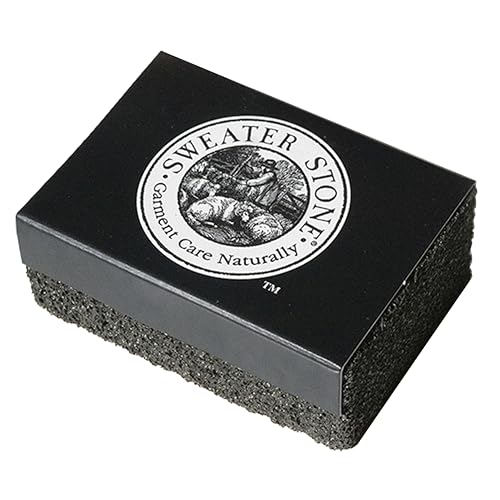
If you prefer a low-tech approach, the sweater stone is an excellent choice. It works by gently abrading the surface of the knit, snagging pills and lifting them away through friction rather than sharp blades.
This tool is particularly effective for mohair because it mimics the natural wear of the fiber. It doesn’t cut the mohair strands; instead, it encourages the fibers to re-align, which can actually help soften the look of a garment that has become slightly matted.
Be warned: this tool generates a bit of "dust" from the stone itself. Ensure you have a soft garment brush or a lint roller on hand to clean up the residue once you’ve finished grooming your sweater.
Philips Fabric Shaver: Best for Heavy Pilling
When a mohair blend—perhaps one mixed with a significant amount of wool or acrylic—develops stubborn, dense pills, manual tools might not be enough. The Philips shaver uses a high-speed blade system that makes quick work of deep-seated fuzz.
The key to using this on mohair is the adjustable spacer. By setting it to the highest position, you create a buffer between the blade and the delicate base of your knitting, ensuring you only target the pills sitting on top of the halo.
Always test this on an inside seam first. If your mohair is particularly "airy" or loosely knitted, even the highest setting might be too aggressive for the surface texture.
D-Fuzz-It Sweater Comb: Best Budget Friendly Tool
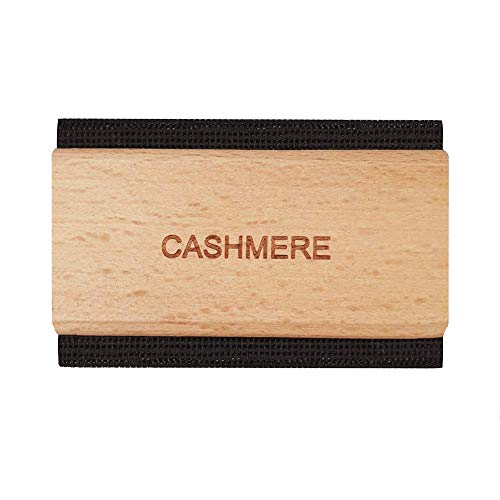
The D-Fuzz-It is a classic for a reason: it’s simple, portable, and incredibly effective for quick touch-ups. It essentially functions like a fine-toothed rake, pulling pills away from the fabric surface with minimal fuss.
Its small size makes it perfect for keeping in your knitting bag for maintenance on the go. If you notice a small patch of pilling while commuting or waiting at a meeting, you can address it immediately before it turns into a larger, matted area.
Because it relies on your hand movement, it is safer than electric alternatives for mohair. Just remember to use light, short strokes rather than long, dragging motions to avoid pulling the mohair fibers out of the yarn ply.
Conair Fabric Shaver: Best for Delicate Mohair
Conair has long been a staple in the laundry rooms of knitters, and their standard fabric shaver is surprisingly adept at handling mohair when used with caution. The large shaving head allows for a consistent, even pressure across the surface of the garment.
For the best results, lay your sweater perfectly flat on an ironing board. This prevents the fabric from bunching up, which is the most common cause of accidental "nicks" or holes when using electric shavers on mohair.

The main advantage here is the large capacity lint bin. You won’t have to stop every thirty seconds to clear the debris, allowing you to maintain a consistent rhythm as you work across the sweater’s surface.
Magicfly Electric Lint Remover: Best Performance

The Magicfly stands out for its powerful motor and ergonomic design, which makes it easier to use during long maintenance sessions. If you have a collection of mohair sweaters that all need a refresh, the efficiency of this tool is a massive benefit.
It features a honeycomb-style mesh cover that is excellent at trapping pills while keeping the base yarn safe. This design is particularly well-suited for mohair because it prevents long, loose fibers from getting sucked too far into the blade mechanism.
Remember that with any high-powered tool, "less is more." Use the weight of the device itself rather than pressing down; let the blades do the work so you don’t accidentally thin out the density of your knit.
Understanding Mohair Fiber and Pilling Dynamics
Mohair is a unique fiber derived from the Angora goat, characterized by its incredible luster and long, smooth fibers. Pilling occurs when these fibers rub together or against other surfaces, causing them to tangle and knot into small balls.
Unlike smooth cotton or tightly spun merino, mohair’s halo is designed to be slightly fuzzy. When you remove pills, you are essentially removing the excess fiber that has migrated to the surface; the goal is to remove the knot without destroying the surrounding halo.
Recognizing the difference between a "pilling" issue and a "felting" issue is vital. Pilling can be groomed away, but if the fibers have actually felted—meaning the scales have locked together due to friction and moisture—a comb will only damage the fabric further.
How to Safely Use Combs on Delicate Mohair Knits
The golden rule of mohair maintenance is to always work on a flat, firm surface. Never attempt to de-pill a sweater while you are wearing it, as the body’s curves create uneven tension that invites accidental snags.
When using a comb, use short, light, downward strokes. Imagine you are gently grooming a pet rather than scraping a surface. If you feel any resistance, stop immediately and check for a snagged yarn strand.
- Always work in good lighting to spot potential snags.
- Keep the fabric taut but not stretched to prevent distortion.
- Work in one direction to keep the remaining fibers aligned.
Essential Tips for Long Term Mohair Maintenance
Prevention is always more effective than correction. Give your mohair sweaters a "rest day" between wears to allow the fibers to recover their natural loft and bounce back from the pressure of sitting or movement.
When storing mohair, avoid hangers, which can stretch out the shoulders and create stress points where pilling is more likely to occur. Instead, fold your garments loosely and store them in a breathable bag to prevent dust buildup.
Finally, consider a gentle hand wash with a wool-specific detergent every few wears. Washing helps re-orient the fibers and can actually reduce the tendency for pills to form in the first place.
Frequently Asked Questions About Sweater Combs
Can I use a razor blade instead of a sweater comb? While some knitters swear by a standard shaving razor, it is extremely risky. It is very easy to slice through the yarn itself, especially on a mohair knit where the fibers can obscure the base stitches.
How often should I de-pill my mohair? Only as often as necessary. Constant grooming will eventually thin out the halo, so try to balance maintenance with gentle wearing habits to preserve the longevity of your handiwork.
Does a comb affect the softness of the mohair? If used correctly, a comb can actually improve the hand of the fabric by removing the gritty, knotted pills. However, over-combing will strip the garment of its characteristic fluff, so moderation is key.

Maintaining your mohair garments is a labor of love that rewards you with years of cozy, beautiful wear. By choosing the right tool and approaching the process with patience, you can keep your hand-knits looking as fresh as the day they were blocked. Remember that every fiber has its own personality, and taking the time to understand your yarn will always yield the best results. Happy knitting, and may your mohair always remain soft and pill-free.