6 Best Pattern Markers For Highlighting Active Rows
Enhance data readability with these 6 top pattern markers. Discover tools to highlight active rows, improve focus, and streamline your workflow efficiently.
Knitting is a rhythmic dance, but losing your place in a complex lace repeat or a long cable chart can turn that flow into a frustrating exercise in frogging. Pattern markers act as your physical anchors, ensuring you never miss a critical increase or a row transition. Whether you are working on a simple garter stitch scarf or an intricate heirloom sweater, the right tool makes all the difference. This guide explores the best markers to keep your knitting on track and your focus where it belongs: on the stitches.
Cocoknits Maker’s Keep: The Best Magnetic Choice
The Maker’s Keep is a brilliant solution for the knitter who constantly finds their markers scattered across the sofa or, worse, lost in the depths of a project bag. It functions as a stylish slap-bracelet with a magnetic surface, keeping your metal markers literally at your fingertips.
This is a game-changer when you are working on colorwork projects that require frequent switching between multiple markers. Instead of fumbling for a bowl or a small tin, you simply tap your marker onto your wrist.
The primary trade-off here is the weight; some knitters find wearing a magnetic bracelet for hours can become distracting. However, for those who value an organized workspace, it is unparalleled. Bottom line: If you are prone to losing your tools mid-row, this is your best defense.
Clover Locking Stitch Markers: Reliable Classics
Clover locking markers are the industry standard for a reason: they are simple, effective, and incredibly versatile. They function like tiny safety pins, allowing you to "lock" them into a specific stitch to count rows or mark the start of a round.
These are essential when you need to track your progress on a long-term project. If you are knitting a sweater in pieces, clipping a marker into your last worked row ensures you know exactly where to pick up when you return to the project weeks later.
The only downside is that the plastic can sometimes snag on delicate, single-ply yarns if you aren’t careful. Always ensure the clasp is fully closed to prevent it from catching on your working yarn. Bottom line: Keep a stash of these in every project bag for their sheer utility.
Knitter’s Pride Rainbow Markers: Best for Variety


When you are tackling a complex pattern with multiple repeating sections, color-coding is your best friend. Knitter’s Pride Rainbow Markers offer a spectrum of colors that allow you to distinguish between "start of round" markers and "pattern repeat" markers instantly.
Using different colors helps you navigate charts without having to count your stitches every single time you reach a marker. For instance, use a red marker for the start of your round and blue markers for the cable repeats.
Keep in mind that these are often made of a smooth plastic that slides easily, which is great for needles but can be slippery if you have shaky hands. Bottom line: Use the color variety to map out your pattern repeats visually.
Dritz Magnetic Pattern Holder: Best for Charts

While not a stitch marker in the traditional sense, a magnetic pattern holder is the ultimate tool for keeping track of your "active row" on a printed chart. It uses a magnetic strip to hold your paper in place and a second magnet to highlight exactly which row you are currently working.
If you are working from a printed pattern, this removes the need to use a pencil to cross off rows, which is a lifesaver if you plan to reuse the pattern. It is especially helpful for lace projects where every row is different.
The physical size of these holders can be bulky, making them better for home use than for knitting on the go. Bottom line: Invest in this if you prefer working from paper charts over digital screens.
HiyaHiya Assorted Stitch Markers: Best for Lace

HiyaHiya markers are designed with a smooth, snag-free shape that is ideal for fine lace knitting. When you are working with delicate mohair or high-twist merino, the last thing you want is a marker that catches on the fiber.
These markers are lightweight and unobtrusive, meaning they won’t distort your gauge or pull on your stitches. This is vital when working with fragile fibers that are prone to snapping if put under tension.
Because they are so light, they can sometimes be hard to see against dark-colored yarns. You may need to pair them with a contrasting yarn color to keep them visible. Bottom line: Choose these for their delicate profile when working with fine-gauge yarn.
Tulip Heart-Shaped Markers: Best for Visibility
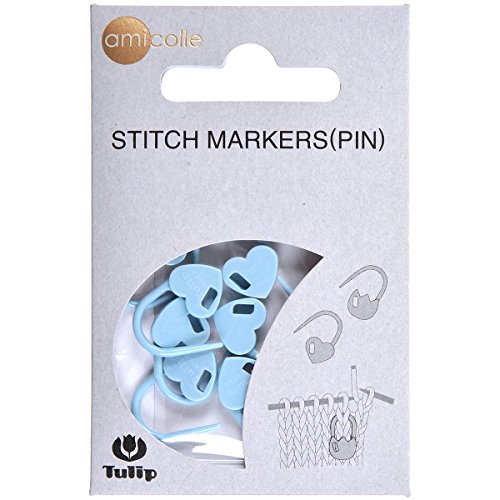
Tulip’s heart-shaped markers are as functional as they are charming, offering a unique shape that makes them stand out against any fabric. Their slightly larger size makes them easy to grab and move, even if you are knitting with bulky yarn.
The shape is more than just aesthetic; the distinct point helps you identify the marker quickly at a glance. If you find yourself losing track of your markers in a sea of stitches, the bright colors and unique shape of these markers provide immediate visual confirmation.
Because they are slightly wider than standard rings, ensure they don’t cause your stitches to flare out if you are working at a very tight gauge. Bottom line: These are perfect for knitters who need high visibility to stay on pace.
Why Active Row Markers Improve Your Knitting Flow
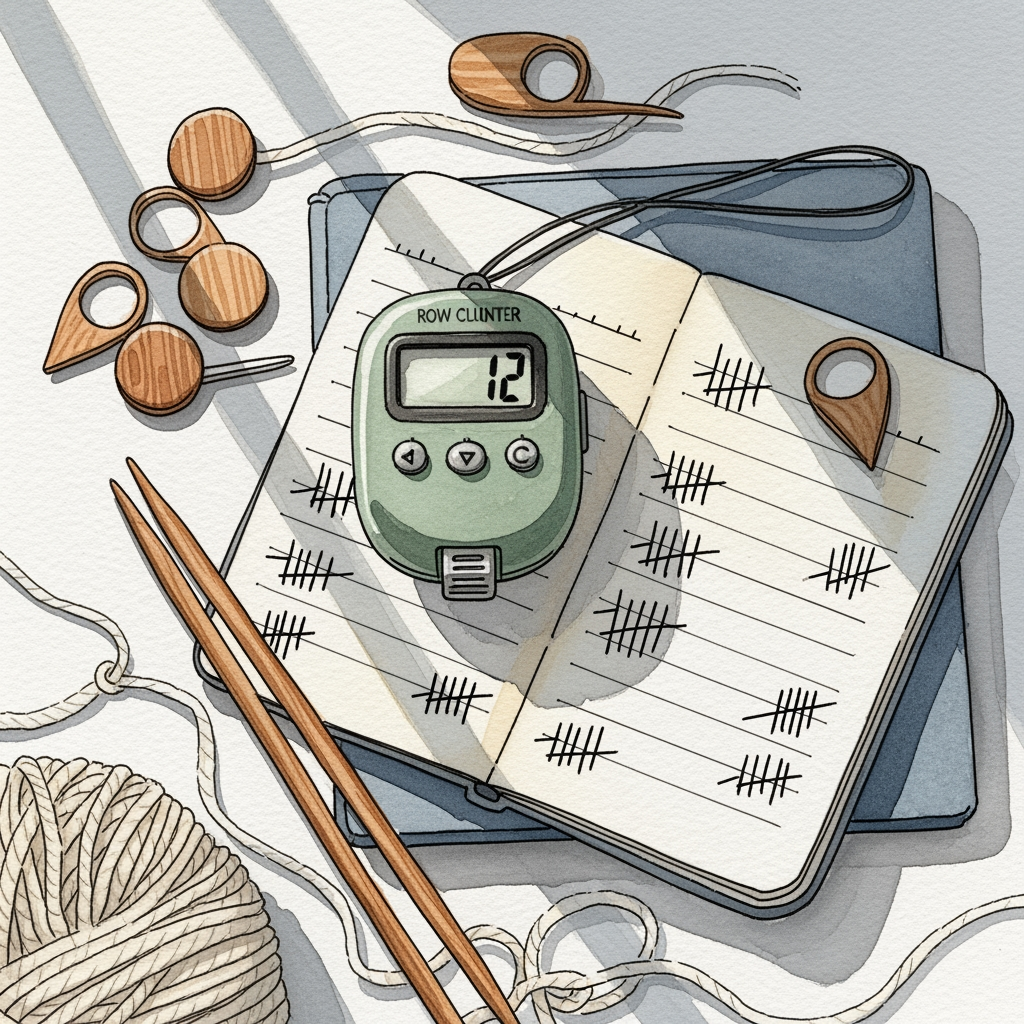
Active row markers act as a cognitive crutch, freeing your brain to focus on tension and technique rather than keeping a running tally of rows. When you don’t have to count manually, your knitting speed increases and your accuracy improves.
This is particularly important for projects with long repeats, like a 20-row cable pattern. By placing a marker at the start of each repeat, you create a physical checkpoint that keeps you honest.
If you get interrupted, you can return to your knitting without wondering if you are on row 12 or 13. Bottom line: Removing the mental load of counting allows you to enter a "flow state" more easily.
How to Choose the Right Marker Size for Your Needles
Choosing the right marker size is a balance between movement and security. If a marker is too large, it can get caught in your yarn overs or create an unsightly gap in your fabric; if it is too small, it will be difficult to move from the left needle to the right.
- For thin needles (2.0mm – 3.25mm): Use small, thin rings or locking markers.
- For medium needles (3.5mm – 5.0mm): Standard plastic rings or medium metal markers work best.
- For large needles (5.5mm+): Use larger, open-ring markers that won’t slide off the tips.
Always test your marker on the needles you intend to use before casting on your project. If the marker is tight, it will impede your speed and potentially stretch your stitches. Bottom line: A marker should slide freely, but not be so large that it hangs off the needle.
Tips for Using Markers to Track Complex Patterns
Complex patterns often require a hierarchy of markers to keep everything organized. Use one style of marker for the start of the round and a completely different style for the pattern repeats.
If you are working a project with both increases and decreases, use markers to isolate the "working area" from the "background stitches." This prevents you from accidentally knitting into a section that should remain untouched.
Don’t be afraid to add extra markers during the setup rows of a complex chart. You can always remove them once you feel confident in the rhythm of the pattern. Bottom line: Use different shapes or colors to denote different types of pattern instructions.
Maintaining and Organizing Your Stitch Marker Set
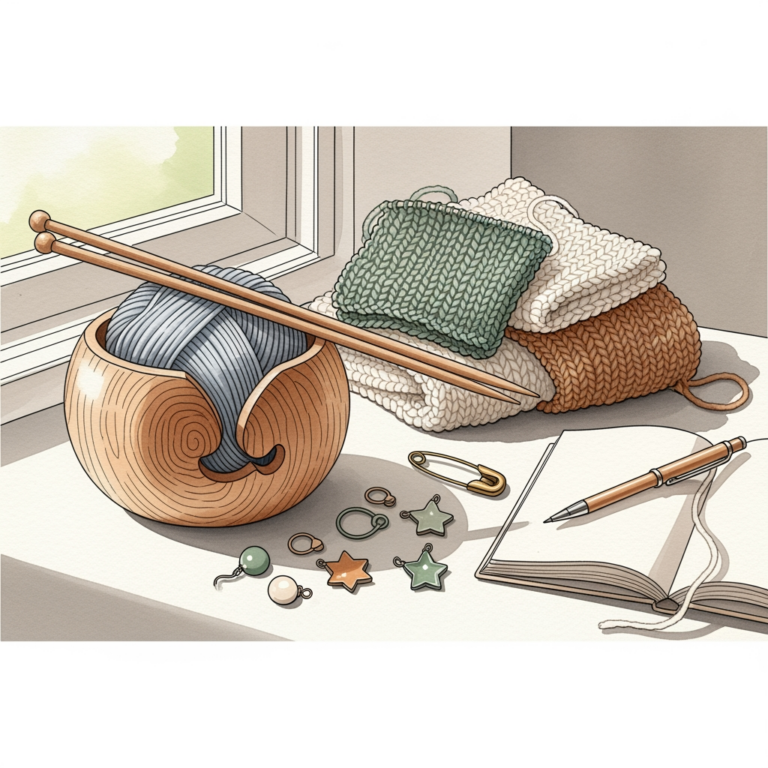
Your markers are an investment, and they deserve a home. A small tin, a magnetic bowl, or a dedicated needle case will keep your markers from migrating into the cracks of your couch.
Periodically check your plastic markers for rough edges or burrs that could snag your yarn. If you find a snag, it is better to retire the marker than to risk damaging a project you have spent hours on.
Keep your metal markers away from moisture to prevent rusting, especially if you live in a humid climate. Bottom line: A well-organized marker collection saves time and protects your precious hand-knit garments.
Finding the right pattern marker is a deeply personal process that evolves as your skills and project types change. By experimenting with different shapes, materials, and locking mechanisms, you can build a toolkit that supports your unique knitting rhythm. Remember that the goal of these tools is to simplify your craft and reduce the friction between you and your finished object. Happy knitting, and may your row counts always be accurate.