7 Best Yarn Detanglers For Messy Hanks To Try
Tackle tangled yarn with ease. We review seven top-rated detanglers designed to smooth out messy hanks and keep your fiber projects organized and stress-free.
We have all been there: you buy a beautiful, hand-dyed skein of merino only to have it collapse into a chaotic nest of knots the moment you undo the ties. Untangling a messy hank is a rite of passage for every knitter, but it is one that can quickly turn a relaxing hobby into a frustrating chore. Investing in the right tools can save your sanity and preserve the integrity of your delicate fibers. Here are the best tools to help you manage your yarn stash and keep your projects tangle-free.
Stanwood Needlecraft Large Metal Yarn Ball Winder


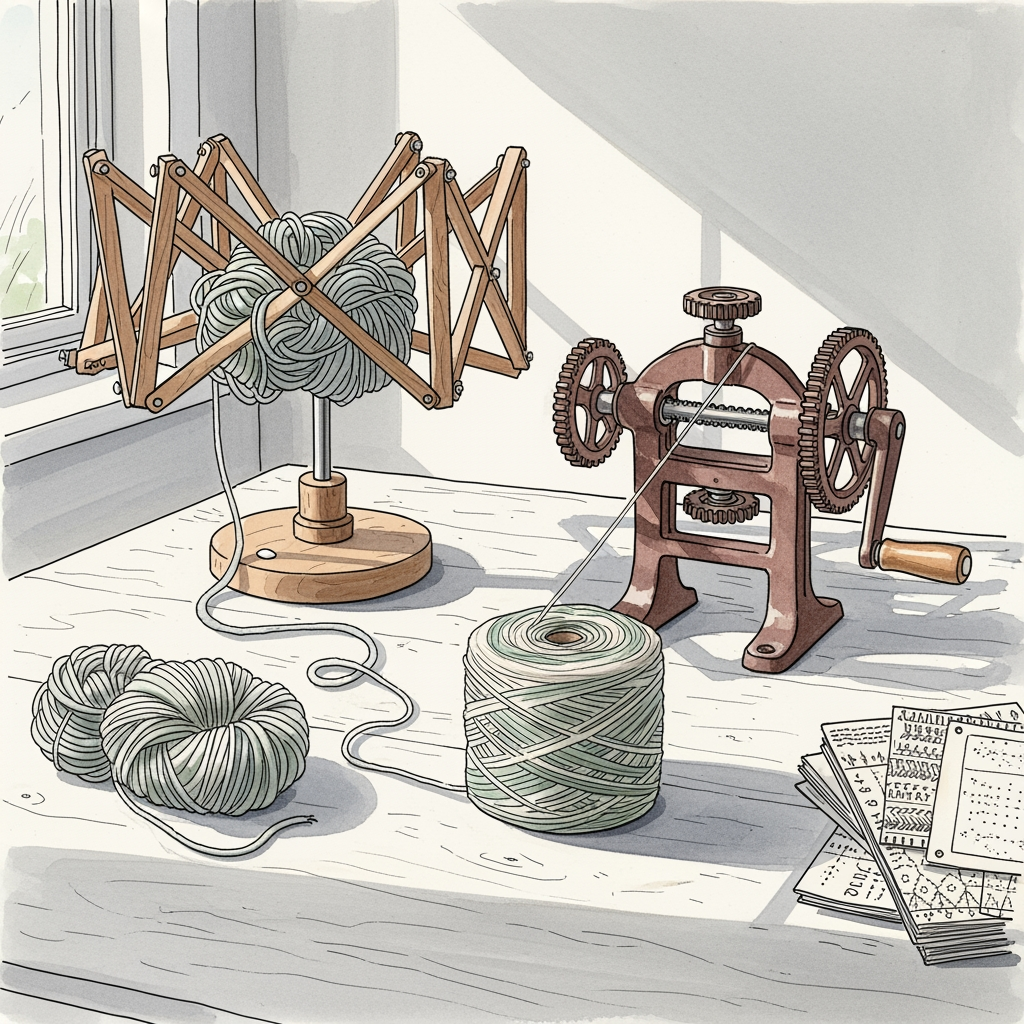
This winder is the gold standard for those who regularly work with large hanks of bulky or worsted weight yarn. Because it is constructed from metal rather than plastic, it handles the tension of a high-speed winding session without vibrating or skipping gears.

The heavy-duty gears allow you to wind a generous 10-ounce cake of yarn, which is perfect if you are working on a large sweater project. If you are winding a delicate lace-weight mohair, however, you must be careful; the metal gears can be quite aggressive, and you will want to wind slowly to avoid stretching the fiber.
Ultimately, this is a "buy it once" tool for the serious knitter. If you find yourself winding yarn every weekend, the durability of the metal construction justifies the higher price point.
Nakpunar Wooden Yarn Swift for Easy Skein Winding

A wooden swift isn’t just a functional tool; it is a beautiful piece of equipment that brings a tactile joy to the preparation process. The Nakpunar model is known for its smooth rotation, which is critical when you are dealing with slippery fibers like silk or bamboo.
The wooden arms are adjustable, allowing you to accommodate various skein sizes from small lace hanks to large, oversized luxury skeins. Because it is made of wood, it provides a gentle, natural friction that prevents the yarn from flying off the swift too quickly.
Be mindful that wooden swifts require a bit of maintenance; keep them away from extreme humidity to prevent warping. If you prioritize aesthetics and a smooth, quiet winding experience, this is an excellent choice for your craft room.
Lacis Wooden Umbrella Swift for Yarn Management
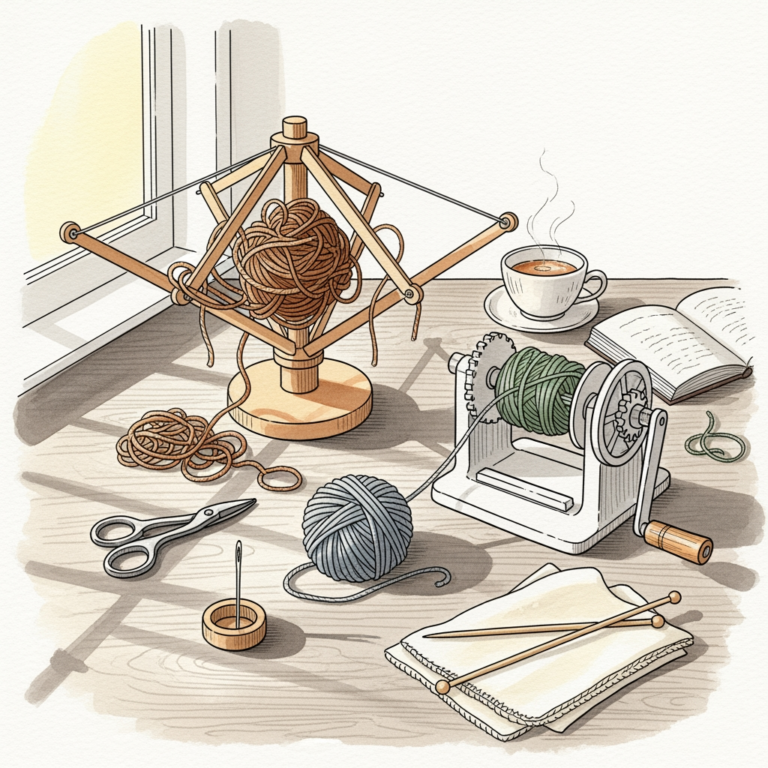
The umbrella-style swift is a classic design for a reason: it mimics the way yarn was traditionally held between someone’s outstretched hands. This Lacis model is lightweight and highly portable, making it a great option if you don’t have a dedicated space to leave a swift clamped to a table.
When you are dealing with a particularly messy hank, the umbrella mechanism allows you to adjust the diameter easily to keep the yarn taut. This tension is the secret to avoiding knots; if the yarn is too loose, it will catch on itself, but if it is too tight, you risk snapping the ply.
This is a fantastic entry-level choice for knitters who are transitioning from winding by hand to using a mechanical setup. It folds down compactly, meaning you can tuck it away in a project bag when it’s not in use.
Knit Picks Yarn Swift for Messy Hank Detangling
Knit Picks has designed this swift with the practical knitter in mind, focusing on ease of assembly and reliable performance. It is a workhorse tool that excels at holding hanks firmly in place while you work, even if the hank itself is slightly irregular or poorly wound.
The clamp is sturdy and fits most standard table thicknesses, which is a major advantage if you are working on a dining room table or a small desk. It is particularly effective for those who use a ball winder simultaneously, as the rotation is consistent and balanced.
While it may not have the luxury feel of a handcrafted wooden swift, it performs exactly as promised every time. For the knitter who wants a reliable tool that just works without any fuss, this is a top-tier contender.
Fiber Artist Supply Co. Amish Style Yarn Swift

The Amish-style swift is a brilliant departure from the umbrella design because it sits horizontally on the table. This is incredibly helpful if you have limited vertical space or if you find umbrella swifts intimidating to set up.
Because the yarn rotates on a central spindle, there is very little risk of the hank collapsing or sliding off. It is an exceptionally stable design, which makes it ideal for untangling a stubborn, messy hank where you might need to stop and start frequently to pick out knots.
This tool is virtually indestructible and very easy to store, as it breaks down into flat pieces. If you have a cat that likes to "help" with your knitting, the low profile of this swift is much harder for a pet to knock over.
Stanwood Needlecraft Tabletop Yarn Swift Review
This tabletop model is designed for the knitter who wants the stability of a permanent station. Its robust construction ensures that it won’t wobble, even when you are winding heavy-weight wool or cotton at a rapid pace.
The key feature here is the precision of the rotation, which helps maintain an even tension throughout the entire winding process. When you wind your yarn into a cake, you want the tension to be consistent so that your yarn doesn’t "stretch out" and lose its elasticity before it even hits your needles.
If you are a professional knitter or someone who produces a high volume of projects, the stability of this unit is a game-changer. It is a significant investment, but it removes the frustration of a swift that rattles or tips during use.
ChiaoGoo Yarn Swift for Professional Winding
ChiaoGoo is well-known for their high-quality needles, and their swift carries that same reputation for precision and durability. This is a professional-grade tool designed for those who value smooth, silent operation above all else.
The materials are top-notch, and the fit-and-finish is superior, ensuring that there are no rough edges that could snag delicate fibers like alpaca or cashmere. When you are working with expensive, hand-dyed yarn, you want a tool that treats the fiber with the utmost care.
This swift is perfect for the knitter who is tired of cheaper tools that snag or squeak. It is an investment in the longevity of your yarn stash and the quality of your finished garments.
How to Properly Untangle a Messy Hank of Yarn
The most important rule when facing a tangled mess is to never pull on the yarn. If you feel resistance, stop immediately and trace the path of the strand back to the source of the snag.
Start by laying the hank flat on a table and gently shaking it to loosen the loops. Identify the two ends of the yarn and gently pull them outward; often, the knot is just a simple loop that has flipped over itself.
If the knot is tight, use a crochet hook or a dull-tipped tapestry needle to gently tease the fibers apart. Patience is your best friend here; a few minutes of careful picking is better than a snapped strand that requires a knot in your finished fabric.
Essential Tips for Winding Yarn Without Knots
Always ensure your swift is centered before you begin winding. If the swift is off-center, the tension will fluctuate as it spins, which leads to uneven yarn cakes and potential tangles later on.

When transferring from the swift to a winder, maintain a light, consistent pressure with your hand on the yarn strand. This prevents the yarn from looping over the top of the cake, which is the most common cause of "yarn barf" or tangles in the center-pull ball.
Finally, always remove the yarn cake from the winder carefully. If you pull it off too quickly, you might disturb the inner structure, leading to a collapsed ball that is impossible to pull from the center.
When to Use a Swift Versus Winding by Hand
Winding by hand is perfectly acceptable for small amounts of yarn or when you are in a pinch. However, if you are working with an entire 100-gram hank, hand-winding will almost always introduce uneven tension.
Use a swift when you want to ensure the yarn remains in its original, relaxed state. Winding by hand often involves stretching the yarn around your elbows or a chair back, which can permanently alter the gauge of your knitting.
- Use a swift if: You are working with luxury fibers, large hanks, or delicate yarns that snag easily.
- Use hand-winding if: You are dealing with a small leftover scrap or a very sturdy, non-elastic fiber like cotton.
Managing your yarn is just as important as choosing the right pattern or needle size. By utilizing a quality swift and winder, you protect your investment and ensure that your knitting time is spent creating, not untangling. Choose the tool that best fits your space and budget, and you will find that your preparation process becomes as meditative as the knitting itself. Happy stitching!