6 Best Fabric Shavers For Reviving Old Knits
Restore your favorite sweaters with our top six fabric shaver picks. Learn how these effective tools remove pilling to keep your old knits looking like new.
There is nothing more heartbreaking than seeing your months of meticulous cable work marred by a layer of unsightly fuzz. Pilling is the inevitable tax we pay for wearing our favorite hand-knit garments, but it doesn’t have to be permanent. With the right technique and the proper tool, you can restore your knits to their original, crisp glory. Here are the best tools to keep your collection looking like it just came off the blocking board.
Philips Fabric Shaver: The Gold Standard Choice
When you’ve spent forty hours on a sweater, you don’t want to risk it with a cheap, inconsistent blade. The Philips model is widely considered the industry benchmark for a reason: its precision-engineered head provides a remarkably even shave across the fabric surface.
The secret lies in the large shaving head and the height-adjustable spacer. This allows you to remove surface fuzz without catching the actual structure of the yarn, which is vital if you’re working with delicate, high-twist wools.
If you’re dealing with a dense, worsted-weight wool sweater, this tool glides effortlessly. However, be mindful of the pressure; even the best shavers can snag if you press too hard on loose, lofty mohair blends.
Conair Fabric Shaver: Best Budget-Friendly Pick
Not every knitter wants to invest a small fortune in laundry accessories, especially when that money could be spent on luxury hand-dyed skeins. The Conair is a reliable workhorse that proves you don’t need fancy features to get a clean finish.
It is compact, battery-operated, and surprisingly effective at tackling small areas like cuffs and collars. It’s the perfect tool to keep in your project bag for quick touch-ups before heading out the door.
The tradeoff here is battery life and consistency. Because it runs on standard batteries, you’ll notice a drop in power as they drain, which can lead to "chewing" rather than cutting if you aren’t careful.
Gleener Ultimate Fuzz Remover: Best Manual Tool
Sometimes, electricity is the enemy when it comes to fragile, hand-spun, or heirloom-quality fibers. The Gleener is a manual tool that uses three interchangeable edges, allowing you to choose the intensity based on the weight of your yarn.
This is my go-to for delicate lace projects or hand-dyed yarns that possess a lot of "halo." Because you control the movement entirely, you can feel exactly when the blade hits a snag or a knot, allowing you to stop before any damage occurs.


It lacks the speed of an electric shaver, but it offers a level of safety that motorized units simply cannot match. If you’re nervous about "shaving" your favorite cashmere, start here.
Rowenta Lint Shaver: Best for Heavy-Duty Tasks

If you have a collection of well-loved, heavy-gauge sweaters that have seen years of winter wear, you need something with a bit more torque. The Rowenta is built for speed and efficiency, making short work of large surface areas.
Its powerful motor ensures that the blades don’t stall when they hit a patch of thick, matted pilling. This is particularly useful for heavy, multi-ply wools that have developed stubborn, felted pills over time.
Be cautious, though: this is not a tool for fine-gauge, delicate knits. Its aggressive nature can be too much for loose, airy stitches, so reserve this for your sturdiest, tight-gauge garments.
Bymore Rechargeable Shaver: Best Portable Option
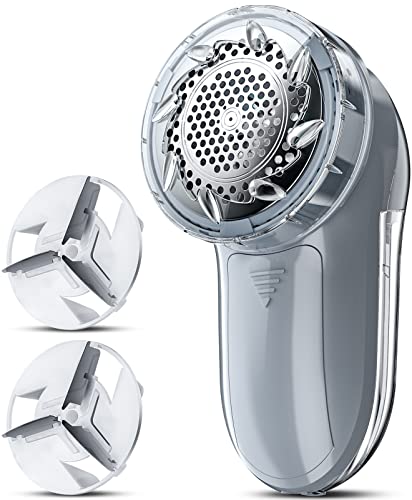
We’ve all been there: you arrive at a knitting retreat, pull out your favorite sweater, and realize it looks a bit "tired" from the suitcase. The Bymore is a sleek, USB-rechargeable option that fits easily into a notions pouch.
The rechargeable battery means you aren’t constantly fumbling for spare AAs, and the build quality is surprisingly robust for its size. It’s a modern solution for the knitter on the go.
While it’s excellent for maintenance, don’t expect it to handle a full-sweater restoration in a single sitting. It’s designed for the "quick fix" rather than the "deep clean."
Beautural Fabric Shaver: Best for Large Sweaters
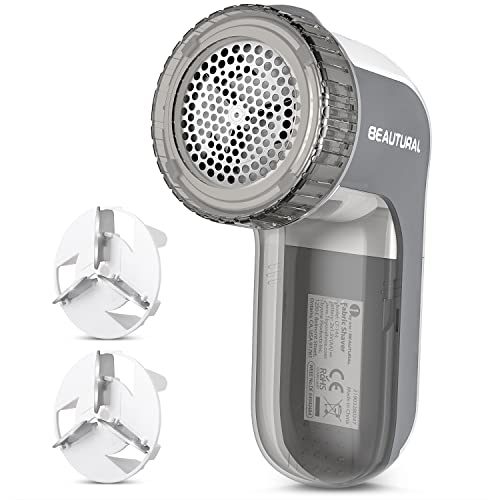
When you have a massive, chunky-knit blanket or an oversized sweater, you need a tool with a wide surface area. The Beautural features a large head that covers more ground, significantly reducing the time spent on "maintenance day."
It also comes with a protective cap that is genuinely useful for adjusting the cutting height. This is a lifesaver when you are working with fibers that have a lot of texture, like popcorn stitches or bobbles, which can be easily snagged by standard blades.
The wide head is a double-edged sword, however. It can be difficult to maneuver around small details like buttons or intricate cable crossings, so keep your movements slow and deliberate.
Understanding Pilling and Why Your Knits Fuzz
Pilling occurs when short fibers work their way to the surface of the yarn and tangle into small balls due to friction. It is most common in soft, lofty fibers like cashmere, alpaca, and merino, which lack the long, strong staples of coarser wools.
It’s important to remember that pilling is not necessarily a sign of poor quality. In fact, the softest, most luxurious fibers are often the most prone to it because they are fine and delicate by nature.
Frequent wear and the natural movement of your body create the friction necessary for these fibers to migrate. Even the most tightly plied yarn will eventually show some signs of wear if it’s a favorite piece in your rotation.
How to Safely De-pill Delicate Cashmere Fibers
Cashmere is the "gold standard" of luxury, but it is incredibly fragile. When de-pilling a cashmere garment, never use an aggressive electric shaver, as the risk of cutting the yarn itself is too high.
Instead, use a manual comb or a specialized cashmere stone. Lay the garment perfectly flat on a hard surface, pull the fabric taut, and use very light, short strokes in one direction.

Always work in good lighting to ensure you are only catching the loose fibers, not the integrity of the stitch. If you encounter a stubborn pill, it is often safer to gently pluck it off by hand than to force a blade through it.
Essential Tips for Maintaining Your Shaver Blade
A dull blade is a knitter’s worst enemy, as it pulls on the fibers rather than slicing them cleanly. This pulling motion is what actually creates more pilling in the long run.
Always empty the lint reservoir frequently to ensure the motor doesn’t overheat and the blades have room to spin freely. If the shaver starts to sound sluggish or "chunky," it’s time to clean the blade assembly.
Most blades can be gently cleaned with a soft brush to remove trapped fibers. If the blades are fixed and cannot be replaced, consider the tool a consumable and replace it once the cutting efficiency drops.
Choosing the Right Tool for Different Yarn Types
The rule of thumb is simple: the more delicate the fiber, the more manual the tool should be. For robust, high-twist wools, an electric shaver is efficient and safe; for mohair, angora, or cashmere, stick to manual combs.
Consider the "halo" of your yarn when choosing your tool. A yarn with a significant halo (like mohair) is meant to be fuzzy, and using a shaver will destroy the intended texture of the garment.
- For Smooth, High-Twist Yarns: Electric shavers work beautifully to restore a crisp, clean look.
- For Lofty, Soft Fibers: Use a manual sweater stone or a light-touch comb.
- For Textured/Cabled Knits: Use a small-headed tool to navigate around the stitch patterns without snagging.
Keeping your hand-knits in pristine condition is just as important as the knitting process itself. By choosing the right tool for the specific fiber content of your garment, you can extend the life of your projects for years to come. Remember that a gentle touch is always better than a heavy hand, and your sweaters will thank you for it. Happy knitting, and may your stitches remain smooth and fuzz-free.