6 Best Yarn Bowls For Lightweight Silk Yarns Reviewed
Discover the top 6 yarn bowls for delicate silk. We review snag-free, smooth designs that prevent tangles and keep your lightweight luxury fibers secure.
Working with silk yarn is a luxury that quickly turns into a logistical challenge once the ball begins to roll away. Because silk is inherently slippery and prone to friction-based damage, your choice of yarn bowl is the difference between a meditative knitting session and a tangled mess. This guide breaks down the best options to keep your precious fibers contained, protected, and flowing smoothly. Selecting the right vessel is essential for protecting the integrity of delicate silk strands as you work.
Ceramic Yarn Bowl by Kept Goods: Best for Silk


Silk is notorious for catching on the microscopic burrs found in cheaper materials. The Kept Goods ceramic bowl offers an exceptionally smooth, glazed interior that acts like a frictionless slide for your yarn.
When you are working on a complex lace shawl, the last thing you need is your yarn snagging on a rough wooden grain. This bowl’s weight is substantial enough to keep it anchored on your side table, even when you pull your yarn with a bit of tension.
The wide, sweeping spiral cut-out allows you to feed your yarn through without needing to cut the strand or re-thread it constantly. If you prioritize a snag-free experience above all else, this is the gold standard for your silk projects.
Nagina International Rosewood Bowl: Best Weight
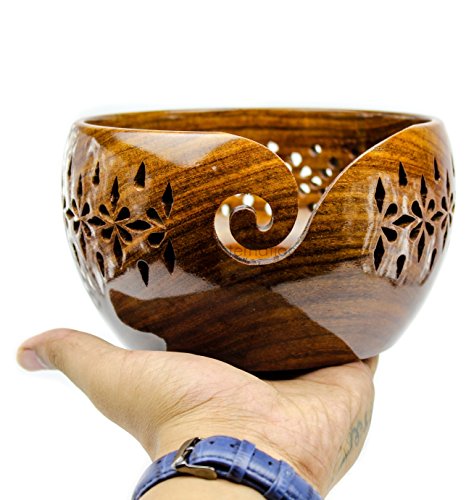
If you are a knitter who tends to pull firmly on your yarn, a lightweight plastic bowl will simply slide off your lap. The Nagina International Rosewood bowl provides the necessary heft to stay put, thanks to the natural density of the hardwood.
Rosewood is prized for its durability and its ability to take a high-polish finish. Over time, the natural oils from your hands will actually help maintain the wood’s luster, making it a piece that improves with age.
Because it is heavy, it is less likely to tip over if your cat decides to investigate your knitting bag. It is a robust, reliable tool for those who prefer a traditional, tactile aesthetic while they work through their stash.
YarnValet Portable Yarn Bowl: Best for Travel

We have all been there: sitting in a waiting room or on a train, watching our yarn ball roll under a seat. The YarnValet is designed specifically for the knitter on the move, featuring a unique tension-control system that keeps your yarn from unraveling in your bag.
Unlike heavy ceramic or wood bowls, this is lightweight and compact enough to tuck into a standard project tote. It doesn’t use a traditional spiral cut, but rather a specialized guide that keeps the yarn centered.
It is an ideal choice for sock knitters who take their projects everywhere. While it lacks the "heirloom" feel of wood or ceramic, its utility for mobile knitting is unmatched.
Fiber Artist Supply Co. Maple Bowl: Best Build

Craftsmanship matters when you are investing in tools that you will use for decades. The Fiber Artist Supply Co. maple bowl is crafted with precision, featuring a smooth, hand-sanded finish that won’t compromise the delicate ply of your silk yarn.
Maple is a hard, tight-grained wood, which means it is less likely to develop splinters or rough patches over time. The construction is sturdy and balanced, ensuring that the bowl sits perfectly level on any flat surface.
This is a "buy it once" tool. If you are a dedicated maker who spends hours every week at your needles, the structural integrity of this bowl makes it a worthy investment for your workspace.
Darice Wooden Yarn Bowl: Best Budget Option

Not every knitter has the budget for artisan-crafted wood or fine ceramic, and that is perfectly okay. The Darice wooden bowl provides a functional, entry-level solution that gets the job done without breaking the bank.
While the finish may not be as refined as a high-end bowl, it is perfectly adequate for wool or cotton blends. If you are using it for silk, I recommend a quick buff with a soft cloth to ensure there are no stray wood fibers that could snag your yarn.
It is a great "starter" bowl for those new to using yarn containment tools. It introduces you to the convenience of a stationary yarn source without requiring a significant financial commitment.
G&S Handmade Ceramic Bowl: Best Grip and Flow
The G&S ceramic bowl features a deep, well-thought-out design that encourages the yarn to feed from the center of the ball. This consistent flow is vital when you are working with silk, as sudden jerks can cause the yarn to lose its twist or snap.
The exterior of these bowls often features a textured grip, which is helpful if you move your bowl around your crafting space frequently. The glaze is consistently smooth, ensuring that even the most delicate lace-weight silk glides out without friction.
It strikes a beautiful balance between functional weight and aesthetic beauty. If you want a tool that looks as beautiful on your shelf as it performs on your table, this is a top contender.
Why Silk Yarn Requires Specialized Yarn Bowls

Silk fiber is smooth, shiny, and incredibly strong, but it is also highly susceptible to surface damage. If your yarn bowl has even a tiny nick or a rough wood grain, your silk will catch, pull, and eventually fray, ruining the drape of your finished garment.
When working with silk, you need a vessel that minimizes friction. Unlike wool, which has a natural "grip" or "crimp," silk relies on its smooth surface for its signature sheen.
Using a bowl that is specifically finished for delicate fibers prevents the pilling and snagging that often occur when silk rubs against abrasive surfaces. Always inspect your bowl’s interior before starting a project to ensure it is as smooth as glass.
How to Prevent Snags With Smooth Bowl Finishes
A smooth finish is the most critical feature of any yarn bowl, regardless of the material. If you have a wooden bowl that feels slightly rough, you can easily remedy this with a very fine-grit sanding sponge followed by a coat of beeswax or mineral oil.
Ceramic bowls are generally safer for silk because they are non-porous and naturally smooth. However, if a ceramic bowl chips, it becomes a danger to your fiber.
- Check for Burrs: Run a nylon stocking or a piece of scrap silk inside the bowl; if it catches, you need to sand or polish that spot.
- Avoid Chipped Ceramics: A chipped edge on a ceramic bowl is like a razor blade to silk yarn.
- Regular Maintenance: Keep your bowls clean and free of dust, which can act like sandpaper over time.
The Importance of Weight in Yarn Bowl Selection
The weight of your yarn bowl determines its stability during your knitting session. If you are a fast knitter, you are likely putting more tension on the yarn, which can cause a light bowl to slide or tip over.
A bowl that is too light will constantly shift, forcing you to stop knitting to reposition it. This breaks your "knitting rhythm," which is the state of flow that makes the craft so meditative.
- Heavy (Ceramic/Hardwood): Best for stationary knitting at a desk or table.
- Light (Plastic/Lightweight Wood): Best for travel or moving between rooms.
- Stability Tip: If your bowl is too light, place it on a non-slip silicone mat to keep it anchored.
Maintenance Tips for Your Wooden Yarn Bowls
Wooden bowls are beautiful and durable, but they do require a bit of care to stay in top shape. Wood is a natural material that reacts to changes in humidity, so avoid leaving your bowl in direct sunlight or near a heat source, which could cause it to crack.
To keep the wood supple, apply a food-safe wood conditioner or mineral oil every few months. This prevents the wood from drying out and keeps the surface slick enough for your yarn to glide effortlessly.
If you find a rough patch, do not ignore it. Use a high-grit sandpaper (400 or higher) to gently buff the area until it is smooth again, then re-seal it with oil.
Choosing a yarn bowl is about finding the right balance between your personal knitting speed, the types of fibers you use, and your need for portability. By focusing on the smoothness of the interior and the weight of the base, you can ensure your silk projects remain in pristine condition. Treat your tools with care, and they will help you create beautiful, snag-free garments for years to come. Happy knitting, and may your yarn always flow freely.