7 Best Craft Glue Sticks For Textile Bonding
Discover the 7 best craft glue sticks for textile bonding. Learn which adhesives offer strong, fabric-safe holds for your next sewing or DIY craft project.
Whether you are stabilizing a delicate lace edge before seaming or securing a stubborn appliqué onto a hand-knit sweater, the right adhesive is an essential tool in your kit. While we often rely on tapestry needles and yarn tails, fabric glues offer a clean, structural advantage for complex construction. Choosing the right formula prevents stiff, crunchy seams and ensures your hard work remains soft to the touch. Here are the seven best options to help you achieve professional-grade finishes on your fiber art projects.
Elmer’s CraftBond Fabric Glue: Best Overall Pick
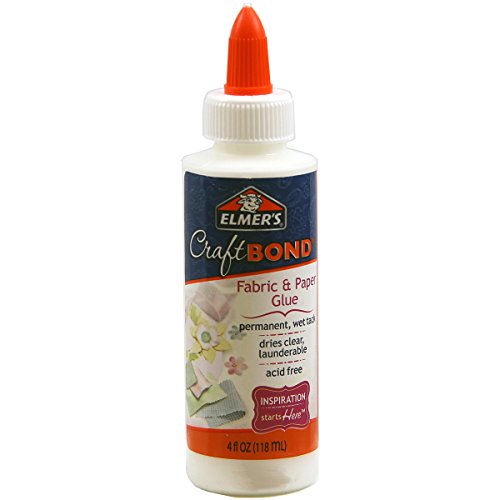

This glue is a staple for a reason: it balances tackiness with a manageable drying time. For those moments when you need to hold a hem in place before running it through your sewing machine, this stick provides the perfect temporary-to-permanent bridge.
It works exceptionally well on cottons and blends, which make up the bulk of most stash inventories. Because it doesn’t soak through the fibers immediately, you won’t end up with a dark, wet spot that ruins your tension or stitch definition.
However, keep in mind that it can be slightly bulky. If you are working with fine lace-weight yarn or delicate silk, apply it sparingly to avoid adding unnecessary weight or stiffness to the fabric.
Dritz Liquid Stitch: Top Choice for Precision
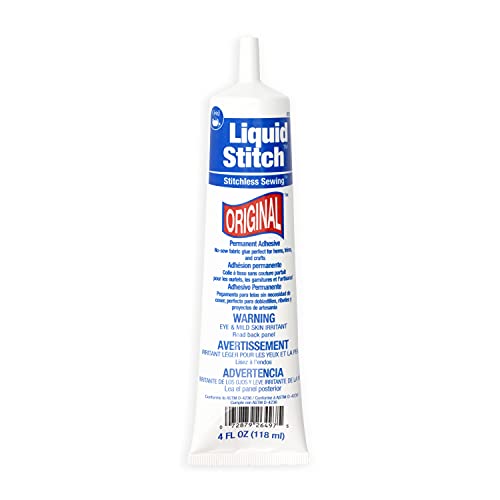
Precision is everything when you are working on intricate embroidery or securing a small patch onto a finished garment. This applicator allows you to control the flow, preventing the "glue bleed" that often ruins the aesthetic of a carefully knitted piece.
I recommend this for knitters who struggle with bulky seams on socks or sweaters. A tiny dot of this adhesive can hold a fold perfectly, allowing you to finish the edge with a clean, invisible stitch later.
Be aware that it dries relatively quickly, so you don’t have much room for error. Practice on a scrap swatch—ideally one knitted with the same fiber content—to ensure you have the right touch before moving to your heirloom project.
Beacon Fabri-Tac Permanent: Best Heavy-Duty Glue

When you are attaching heavier embellishments like metal buttons, leather tags, or thick felt patches to a wool coat, standard craft sticks won’t cut it. Fabri-Tac is the powerhouse of the group, offering a bond that withstands the natural movement of knitted fabric.
Knitted fabric has a natural elasticity, or "give," that can cause weaker glues to crack and flake off over time. This formula remains flexible, which is crucial for maintaining the drape of your garment.
Use this only for structural components or heavy-duty accents. Because it is quite potent, it is not suitable for delicate fibers like mohair or angora, which might mat or felt if the adhesive interacts with the halo of the yarn.
Aleene’s Fabric Fusion: Best for Embellishments

If your project involves adding sequins, beads, or decorative ribbons, this is your go-to adhesive. It dries clear and remains soft, which is vital when you want to avoid that "plastic" feel on a garment that sits against the skin.
One of the biggest mistakes I see is using too much glue, which creates a hard, uncomfortable patch. Apply a small amount to the embellishment rather than the fabric to maintain better control and prevent saturation.
It is particularly effective on synthetic blends and superwash wools, which can sometimes be "slippery" for other glues. Always test on a swatch to ensure the glue doesn’t create a chemical reaction with the yarn dyes.
UHU Stic Permanent: Best for Delicate Textiles

Many knitters overlook office-style sticks, but UHU is a hidden gem for light-duty textile work. It is remarkably gentle, making it ideal for basting silk, fine cotton, or thin bamboo yarns that would be ruined by heavy-duty adhesives.
I reach for this when I am stabilizing the edges of a silk-blend scarf before sewing on a delicate trim. It holds well enough for the assembly process but doesn’t leave a thick, crunchy residue that disrupts the flow of the fabric.
Because it is not as aggressive as liquid adhesives, it is a great "starter" glue for those nervous about using chemicals on their hand-knits. It washes out easily, provided you follow the care instructions for your specific fiber.
Avery Permanent Glue Stick: Best for Appliqués

Appliqués can be tricky because they need to stay perfectly aligned while you work your way around the edges with a needle and thread. The Avery stick offers a clean, dry application that won’t warp or stretch your knit fabric during the basting phase.
This is my preferred tool for securing motifs onto baby blankets or children’s sweaters. It provides a reliable hold that allows you to focus on your tension rather than constantly repositioning the appliqué.
The key here is the dry, non-messy nature of the stick. You won’t have to worry about the glue seeping through the gaps in your knitting stitches, which is a common hazard with liquid-based fabric glues.
Scotch Permanent Glue Stick: Best for Quick Fixes
Sometimes you just need a quick, reliable hold for a loose end or a fraying edge. The Scotch Permanent stick is incredibly convenient for those "emergency" moments when you’re finishing a project and need a temporary fix before blocking.
It’s not meant for long-term structural integrity on high-stress areas, but it is perfect for holding a folded hem in place while you weave in your ends. It is essentially a high-quality basting tool in solid form.
Keep one in your project bag alongside your stitch markers and tapestry needles. It’s an inexpensive, low-risk way to manage small construction details without pulling out the heavy-duty supplies.
How to Select the Right Adhesive for Fiber Types
Not all fibers react to glue the same way, and your choice must be informed by the nature of the yarn. Natural fibers like wool and alpaca are absorbent, while synthetics like acrylic or nylon are often non-porous and "slick."
- Wool/Animal Fibers: Require a flexible, low-acid adhesive that won’t cause felting or discoloration.
- Plant Fibers (Cotton/Linen): Can handle slightly stronger adhesives, but be wary of "wicking" where the glue travels up the fiber.
- Synthetics: Often require a specialized adhesive designed for plastic-like surfaces to ensure a long-term bond.
Always consider the "hand" of the fabric. If your glue makes the area significantly stiffer than the surrounding stitches, you have likely used the wrong product or applied too much.
Tips for Clean Application on Woven and Knit Fabric
The biggest challenge with glue on knit fabric is the open structure of the stitches. Unlike woven fabric, knits have gaps where glue can easily seep through, creating a messy, hardened clump on the wrong side of your work.
- Use a backing: Place a piece of parchment paper or a silicone mat behind the area you are gluing.
- Apply to the patch, not the garment: This prevents excess glue from soaking into the fibers of your main piece.
- Less is more: Start with a dot, not a line. You can always add more, but removing excess glue is nearly impossible without damaging the yarn.
If you do get glue on the surface, resist the urge to rub it. Blot it gently with a damp cloth and let it dry completely before attempting any further cleaning.
How to Test Fabric Glue for Washable Projects
Before you commit to using glue on a finished sweater or blanket, you must test for washability. There is nothing more heartbreaking than seeing a beautiful embellishment fall off after the first soak.
- Create a swatch: Use the same yarn and stitch pattern as your project.
- Apply the glue: Use the exact method you plan to use on the final piece.
- Wait 24 hours: Let the glue fully cure before subjecting it to water.
- Wash and dry: Follow your standard fiber care routine (e.g., cool water soak, air dry).
Check for any changes in the yarn’s texture or color after the swatch is dry. If the glue has turned yellow, become brittle, or caused the yarn to felt, discard that product and try a different formula.
Mastering the use of fabric glue can elevate your hand-knits from "homemade" to truly professional-grade garments. By understanding the unique needs of your fibers and testing your methods beforehand, you can secure embellishments and seams with total confidence. Remember that the best adhesive is the one that disappears into the fabric, leaving only the beauty of your stitches behind. Happy knitting, and may your seams always be as strong as your tension.