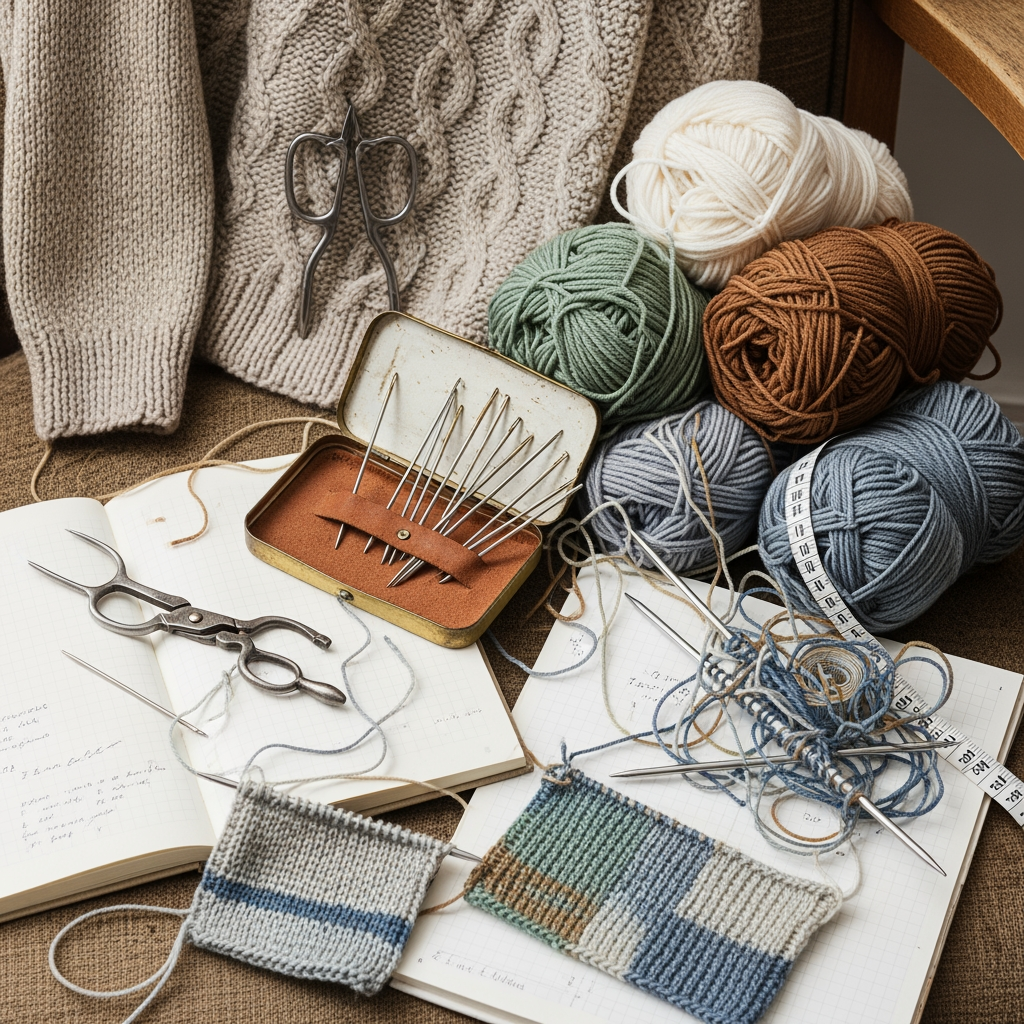
7 Best Sewing Needles For Seam Assembly To Try
Selecting the right needle is vital for durable seams. Explore our top seven picks for seamless assembly, ensuring precision and strength in every stitch.
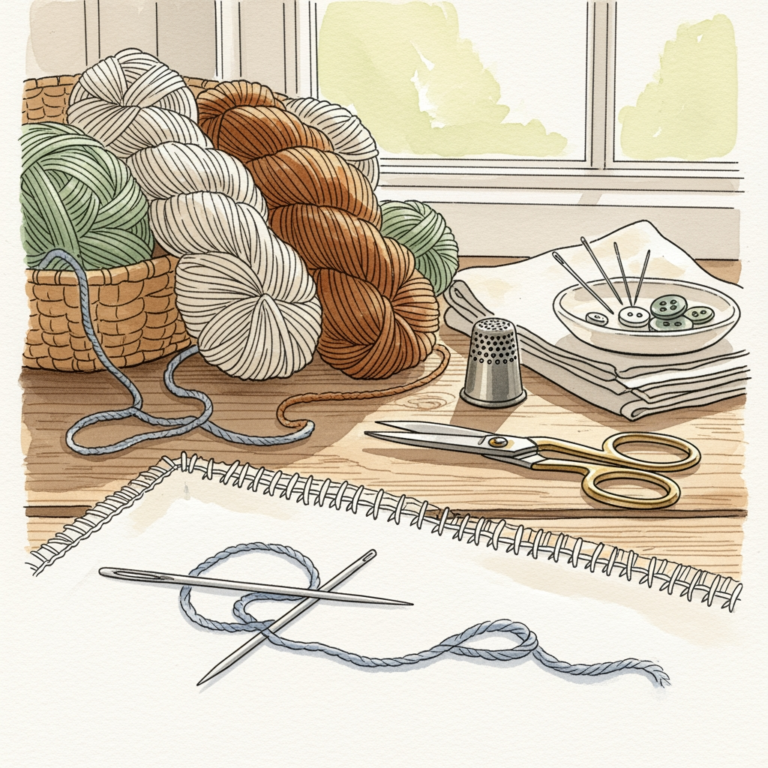
Finishing a project is the most rewarding part of the knitting process, yet many makers fear the seam. The difference between a professional-looking garment and one that looks "homemade" often comes down to the quality of your finishing needle. Choosing the right tool for your specific yarn weight and fiber type is the secret to invisible, durable assembly. These seven needles are the workhorses that will elevate your seaming game instantly.
Clover Chibi Bent-Tip Tapestry Needles: Top Pick


These needles are a staple in my notions bag for a reason. The slightly bent tip acts like a third hand, allowing you to scoop up stitches without piercing the yarn fibers themselves.
The bent design is particularly helpful when you are working on a flat surface and need to catch a horizontal bar between stitches. Because the tip curves, you don’t have to lift your work off the table to get the needle through.
The Chibi case is an added bonus, keeping these needles from vanishing into the depths of your knitting basket. If you only buy one set of needles for assembly, make it this one.
Bohin Extra Fine Gold-Plated Needles for Lace
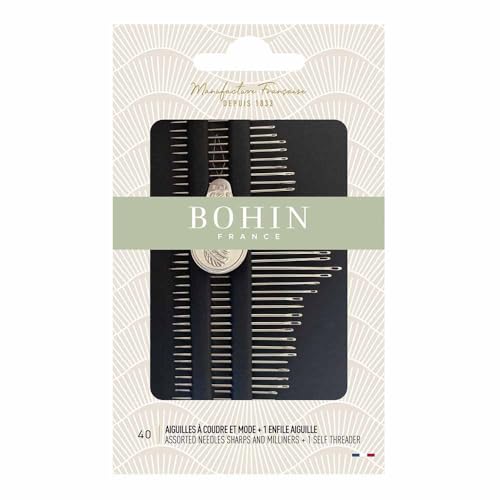
When you are working with delicate lace weight or fine fingering yarns, a standard tapestry needle will often be too thick, creating unsightly holes in your work. Bohin’s gold-plated options are exceptionally smooth and glide through fine fibers without snagging.
The plating isn’t just for show; it provides a slick surface that reduces friction. This is crucial when working with high-twist wools or silk blends that might otherwise catch on a rougher metal surface.
Because they are so fine, they can be a bit more flexible than steel needles. Treat them with care, as they can bend if you try to force them through a particularly dense seam.
Dritz Yarn Darner Needles for Bulky Projects

Working with super bulky or roving-style yarns requires a needle with a substantial eye and a sturdy body. Dritz yarn darners are long and straight, which helps you maintain a consistent tension when weaving in long, thick ends.
The length is the real advantage here. It allows you to weave through several inches of fabric in a single pass, which is essential for securing bulky yarns that tend to slip out if the tail is too short.
These are not for delicate work, but they are indispensable for heavy-gauge sweaters or blankets. Keep a few in your kit specifically for those projects that require a needle with some "heft."
Tulip Tapestry Needles with Large Eyes: Best Feel

Tulip needles are renowned for their polished, snag-free finish. They have a weight and balance that makes them feel like a premium tool in your hand, which actually helps with the rhythm of your seaming.
The large eye is very easy to thread, even if you are using a textured or fuzzy mohair yarn. Many knitters struggle with threading, and these needles remove that frustration entirely.
If you find that your hands tire easily during long finishing sessions, the ergonomic feel of these needles can make a noticeable difference. They are an investment, but they are a joy to use.
Cocoknits Steel Stitch Needles for Fine Seaming

Cocoknits has mastered the art of the functional, minimalist tool. These steel needles are magnetic, meaning you can easily pick them up off your project or floor if you drop them by using a magnet.
They are designed to be thin and strong, making them ideal for seaming together fine-gauge pieces like socks or lightweight cardigans. The steel is rigid, which provides excellent control when you need to be precise with your stitch placement.
The set comes in a variety of sizes, ensuring you have the right tool for different yarn weights. They are reliable, no-nonsense tools for the serious garment knitter.
Susan Bates Finishing Needles: Great Value Set
If you are a beginner or someone who constantly loses their needles, this set is the perfect solution. They are affordable, widely available, and come in a variety of sizes to cover almost any project.
While they may not have the luxury finish of a gold-plated or hand-polished needle, they are perfectly functional. They are durable enough to handle the wear and tear of a busy knitting life.
Think of these as your "everyday" needles. They are reliable, sturdy, and won’t make you cry if you happen to leave one behind at your local knitting group.
John James Bent-Tip Tapestry Needles: Precision

John James is a legendary name in needle manufacturing, and their bent-tip tapestry needles offer a level of precision that is hard to beat. The bend is subtle, allowing for excellent maneuverability in tight corners.
These needles are great for "kitchener stitch" or grafting, where you need to weave back and forth between two rows of live stitches. The blunt, bent tip ensures you don’t accidentally split a ply of your yarn.
The quality of the steel is high, meaning these needles will hold their shape over years of use. If you appreciate traditional, high-quality manufacturing, you will love these.
How to Choose the Right Needle for Your Yarn Weight
The golden rule of seaming is to match the needle thickness to the yarn thickness. You want the needle to be slightly thinner than the yarn so it passes through the fabric without stretching the stitches.
- Lace/Fingering: Use extra-fine needles or tapestry size 24-26.
- Sport/DK: Standard tapestry size 20-22 works best.
- Worsted/Bulky: Use large-eye yarn darners or size 16-18 needles.
If you are working with a fuzzy yarn, like an alpaca or mohair, choose a smoother, metal needle. If you are working with a slippery yarn, like bamboo or silk, you might prefer a needle with a slightly less slick finish to maintain control.
Why Bent-Tip Needles Improve Your Seaming Accuracy
Bent-tip needles are a game-changer for the mattress stitch, which is the most common method for invisible seaming. The curve allows you to slide the needle under the "V" of the stitch without needing to lift the fabric.
By keeping the fabric flat, you avoid the common mistake of pulling the seam too tightly. This keeps your seam as elastic as the rest of your knitting, which is vital for garments that need to move with your body.
Once you get used to the angle of a bent tip, you will find that your seaming speed increases significantly. It turns a tedious chore into a rhythmic, satisfying process.
Essential Tips for Invisible Mattress Stitch Seams
To achieve an invisible seam, always work on the right side of the fabric. You want to pick up the horizontal bars between the edge stitch and the next stitch inward.
- Consistency is key: Always pick up the same number of bars on both sides.
- Don’t pull too hard: Leave the seam slightly loose, then tighten it gently every few inches.
- Check your tension: If the seam looks puckered, your tension is too tight; if it looks like a gap, it’s too loose.
If you are seaming a superwash wool, remember that it tends to grow when wet. Pin your pieces together carefully before you start to ensure the edges align perfectly, as the slick nature of the fiber can make the pieces slide during assembly.
The right needle is the bridge between a collection of knitted panels and a professional garment. Whether you prefer the precision of a bent-tip or the reliability of a classic steel needle, the best tool is the one that makes you feel confident in your finish. Don’t be afraid to experiment with different sizes until you find the perfect match for your favorite yarn. Your future self will thank you every time you pull on a perfectly seamed sweater.