7 Best Posture Cushions For Long Blocking Sessions
Optimize your workspace with our top 7 posture cushions. Improve alignment, reduce back strain, and enhance comfort during long, productive blocking sessions.
When you’re hunched over a complex lace chart or finishing the final bind-off on a heavy wool sweater, your chair becomes just as important as your needles. Blocking sessions, in particular, require long periods of sitting while you pin out damp, delicate pieces to their final dimensions. Investing in the right support isn’t just about comfort; it’s about protecting your body so you can keep crafting for decades to come. Here are my top picks for cushions that will turn your workstation into a sustainable studio.
Everlasting Comfort Memory Foam Seat Cushion
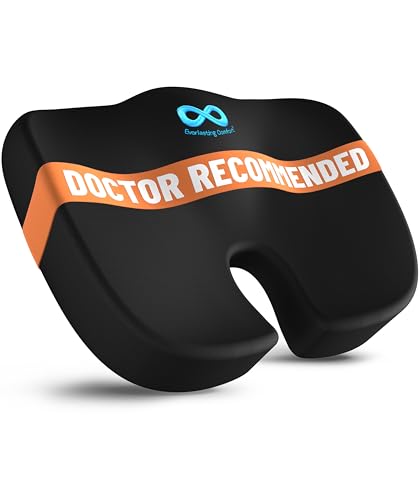

This cushion is a classic for a reason, utilizing a U-shaped design that relieves pressure on your tailbone. For those long sessions spent pinning out heavy, water-logged cables, the ergonomic cutout prevents that nagging ache at the base of your spine.
The pure memory foam reacts to your body heat, contouring to your shape as you settle in for a long afternoon of work. It provides a firm, consistent base that keeps your hips aligned while you focus on precise measurements.
However, keep in mind that memory foam can trap heat. If you are working in a warm room or handling fibers that tend to shed, you might find it slightly less breathable than gel-based alternatives.
Purple Royal Seat Cushion for Blocking Comfort
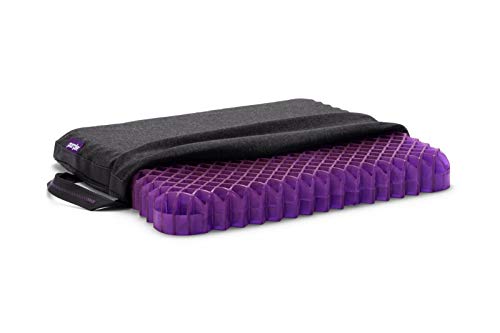
The Purple cushion uses a unique hyper-elastic polymer grid that feels unlike anything else on the market. It’s incredibly responsive, meaning it doesn’t just sink under your weight—it actively pushes back to support your posture.
I find this particularly helpful when I’m moving around my blocking mat frequently to check tension across a large shawl. The grid structure allows for excellent airflow, keeping you cool even when you’re working with dense, insulating fibers like alpaca or thick wool.
It is a bit heavier and thicker than a standard foam cushion, so ensure your chair height is adjustable. If you sit too high, your feet won’t be flat on the floor, which defeats the purpose of the ergonomic support.
ComfiLife Gel Enhanced Seat Cushion Choice

This is a hybrid option that marries the contouring of memory foam with the cooling properties of a gel layer. It’s a great middle-ground if you want the "hug" of foam but need to keep your temperature regulated during intense project marathons.
The non-slip bottom is a subtle but vital feature for knitters who tend to shift or reach across their table for pins and blocking wires. You don’t want your support sliding away just as you’re trying to align a tricky lace point.
If you find that standard memory foam feels too "bottomless," the gel infusion adds a layer of structural integrity. It’s a reliable workhorse for any studio setup.
Kieba Coccyx Seat Cushion for Long Sessions
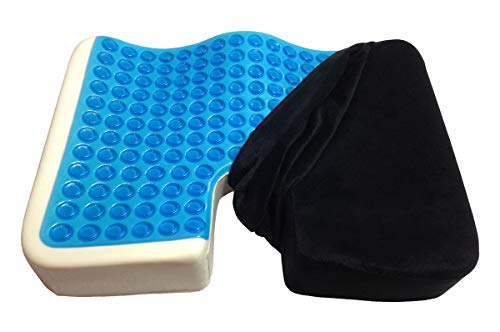
The Kieba is designed specifically for those who struggle with lower back pain during long, stationary tasks. Its high-quality foam is dense enough to hold its shape for years, even if you’re using it daily.
When you’re staring at a complicated chart and trying to maintain gauge, the last thing you need is a cushion that flattens out after thirty minutes. This cushion maintains its loft, ensuring your hips remain level and your spine stays neutral.
It’s an excellent choice for knitters who use a variety of chairs throughout their home. It’s portable enough to move from your dedicated blocking station to your favorite armchair for evening knitting.
Aylio Coccyx Orthopedic Memory Foam Cushion

The Aylio features a slightly more pronounced contour than others, which helps encourage better pelvic alignment. If you tend to "slouch" into your chair after a few hours of working on a complex project, this shape helps nudge you back into a healthier position.
The cut-out is strategically placed to suspend your tailbone, which is a lifesaver when you’re sitting on a hard wooden chair while waiting for a project to dry. It effectively redistributes your weight away from sensitive pressure points.
Be aware that because of its specific shaping, it works best when you sit in the center of the cushion. If you are prone to shifting your weight to one side, you may find the edges a bit restrictive.
FOMI Premium All Gel Orthopedic Seat Cushion

For those who prefer a firmer, more supportive feel, the FOMI gel cushion is a fantastic option. It lacks the "sinking" feeling of foam, providing a stable, solid base that feels very reliable under the seat.
The gel columns are designed to collapse under pressure points while remaining firm elsewhere. This is ideal if you have a habit of leaning forward while working on intricate stranded colorwork or small-diameter circular knitting.
Because it is made of gel, it won’t lose its shape over time like some foam cushions might. It’s a durable, long-term investment for a knitter who spends hours at the blocking table every single week.
Desk Jockey Therapeutic Coccyx Seat Cushion
The Desk Jockey is designed for stability and consistent support, often coming with a high-quality cover that is easy to wash. As knitters, we know that accidents happen—a drop of tea or a bit of stray fiber is inevitable.
The foam is medical-grade, which translates to superior pressure relief for your lumbar region. It does a great job of preventing the "numbness" that can occur in your legs when sitting for extended periods.
It is a straightforward, no-nonsense cushion that does exactly what it promises. If you want to stop thinking about your back and start focusing on your stitch count, this is a solid, dependable choice.
Why Ergonomic Support Matters for Knitters
Knitting is a physical craft that requires repetitive, micro-movements of the hands and wrists, but it also requires static engagement of the back and neck. When you are blocking, you are often leaning over a table for long periods, which puts significant strain on your lumbar spine.
Without proper support, your posture naturally degrades, leading to rounded shoulders and a tucked pelvis. This doesn’t just cause pain; it can actually restrict your breathing and decrease your focus, making it harder to spot mistakes in your lace or cable work.
Investing in a cushion is about longevity. We want to be knitting well into our later years, and that requires treating our bodies like the fine instruments they are.
How to Maintain Proper Posture While Blocking
Blocking is the final, crucial step in finishing a garment, but it is often the most physically taxing. To maintain posture, keep your blocking surface at a height that allows you to work without hunching over.
If your table is too low, place it on risers or use a higher surface like a kitchen island. Keep your feet firmly planted on the floor—or on a footrest—to ensure your pelvis stays neutral and your weight is evenly distributed.
Every twenty minutes, stand up and stretch. Take a moment to roll your shoulders back and check your tension; a refreshed body leads to a much more professional-looking finished project.
Tips for Preventing Back Strain During Projects
The best way to prevent strain is to vary your posture throughout the day. Don’t just sit in one position; alternate between your blocking station and a more relaxed chair for lighter tasks like sewing in ends.
Use a lumbar roll in addition to your seat cushion if you find yourself leaning forward too much. Also, pay attention to your lighting; if you are squinting at your work, you are likely tilting your head and neck, which triggers upper back tension.
Finally, listen to your body. If you feel a twinge, stop. The project will still be there in ten minutes, but your spine needs to last a lifetime.
Finding the right cushion is a personal journey that depends on your chair, your height, and your specific aches. By prioritizing your physical alignment, you ensure that your passion for fiber arts remains a joy rather than a source of discomfort. Choose the support that fits your workstation best, and your back will thank you when you reach that final bind-off. Happy knitting and even happier blocking.