6 Best Solid Color Yarns For Classic Looks To Try
Elevate your knitting with these 6 essential solid yarns. We explore textures and fibers perfect for creating timeless, sophisticated pieces for any wardrobe.
Choosing the right solid color yarn is the secret to elevating a simple sweater from "homemade" to "heirloom." When you strip away the distraction of variegated colors, the quality of the fiber and the precision of the stitch take center stage. Whether you are a novice looking for a forgiving wool or an expert seeking perfect stitch definition, your yarn choice dictates the final drape and longevity of your work. These six selections are the industry staples that every knitter should have in their stash for classic, timeless garments.
Malabrigo Rios: The Best All-Around Wool Choice
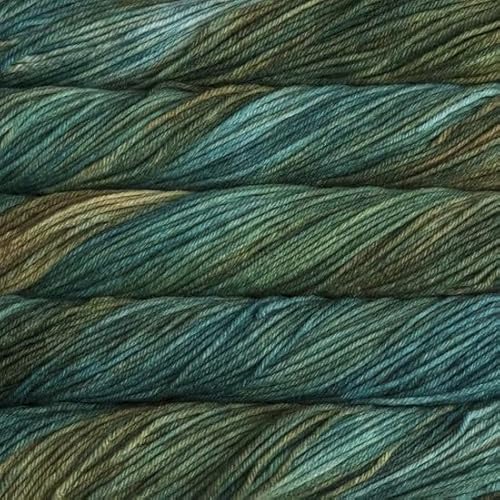

Malabrigo Rios is the gold standard for knitters who want a soft, squishy fabric without sacrificing the durability of a plied yarn. It is a 100% superwash merino wool, meaning it has been treated to resist felting, making it a reliable choice for everyday wear.
Because it is a worsted weight, it works up quickly, providing that instant gratification knitters often crave. The round, four-ply construction gives your stitches a beautiful, plump appearance that makes cables and textured patterns pop.
The primary trade-off with Rios is its hand-dyed nature. Even within solid colorways, you may see subtle tonal shifts, so always remember to alternate skeins if you are working on a large garment.
Quince & Co. Osprey: Superior American Wool
If you want a garment with structural integrity and a crisp, clean finish, Osprey is your go-to. This is a woollen-spun yarn, which means the fibers are not combed straight before spinning, resulting in a lighter, airier yarn that traps more heat.
Because it is American wool, it has a bit of a "grip" to it. This makes it exceptionally easy to work with for beginners, as your stitches won’t slide off your needles unexpectedly.
The matte finish of this yarn is perfect for classic pullovers where you want the silhouette to speak for itself. It doesn’t have the sheen of merino, but it offers a rustic, sophisticated look that ages gracefully over time.
Rowan Felted Tweed: The Ultimate Texture Yarn
Rowan Felted Tweed is a unique blend of wool, alpaca, and viscose that creates a fabric unlike anything else. It is a light DK weight that feels incredibly thin in the hands but blooms into a warm, dense fabric once blocked.
This yarn is the undisputed king of colorwork and texture. The slight halo from the alpaca content helps stitches "marry" together, which is a massive advantage if your tension is slightly uneven.
Be aware that because it is a rustic, light-weight yarn, it can be prone to snapping if you pull too hard while tensioning. Treat it with a gentle touch, and it will reward you with a garment that feels like a vintage find.
Cascade 220: The Standard for Classic Projects
Cascade 220 is the workhorse of the knitting world for a reason. It is a standard, non-superwash Peruvian Highland wool that is consistent, affordable, and comes in an exhaustive range of solid colors.
If you are learning to knit garments, this is the yarn I recommend first. It holds its shape perfectly, making it ideal for sweaters that need to maintain their structure over years of heavy use.
Because it is not superwash, it is prone to felting if you aren’t careful. However, this also means it is excellent for colorwork, as the fibers grab onto each other to keep your floats secure.
Brooklyn Tweed Shelter: Best for Heritage Looks
Shelter is a woolen-spun Targhee-Columbia wool that feels like a cloud. It is designed to mimic the look of traditional hand-spun yarn, providing a stunning, organic texture that is perfect for timeless, rustic sweaters.
When you knit with Shelter, you are knitting with air. It is incredibly lightweight, so you can make a full-sized adult sweater that doesn’t feel like it’s weighing you down.
The trade-off here is durability; it is a single-ply yarn, which makes it more susceptible to pilling in high-friction areas like the underarms. It is best reserved for sweaters you plan to wear on special occasions or for layering.
KnitPicks Wool of the Andes: Best Value Option

When you are planning a large project but don’t want to break the bank, Wool of the Andes is an incredibly reliable choice. It is a sturdy, Peruvian wool that offers excellent stitch definition at a very accessible price point.
It is a bit "toothy," meaning it feels slightly rougher than merino, but that texture is exactly what you want for hard-wearing garments. It won’t pill easily, and it stands up well to the rigors of being worn under a coat.
If you are a beginner, the structure of this yarn makes it easy to see your mistakes. You can clearly identify each stitch, which takes the stress out of complex patterns.
How to Choose Yarn for Classic Solid Garments
Choosing the right yarn starts with understanding the intended use of the garment. Ask yourself: will this be a daily driver or a formal piece?
- For durability: Choose a multi-ply, non-superwash wool.
- For drape: Look for blends containing silk, alpaca, or linen.
- For structure: Opt for woolen-spun fibers that hold their shape.
Always swatch before you commit to a full sweater. A solid color will highlight any inconsistencies in your gauge, so make sure your tension is comfortable before casting on.
Why Fiber Content Matters for Stitch Definition
Stitch definition refers to how clearly individual stitches can be seen in your finished fabric. Smooth, tightly plied yarns like Malabrigo Rios provide the best definition, making them perfect for intricate cables.
Conversely, fuzzy or haloed yarns like Rowan Felted Tweed blur the lines between stitches. This is a stylistic choice; if you want a soft, hazy look, go for the halo. If you want geometric precision, stick to smooth, plied wool.
Remember that dark colors will always hide stitch definition more than light colors. If you are knitting a complex pattern, choose a lighter, solid shade to ensure your hard work is visible.
Understanding Dye Lots and Color Consistency
A dye lot is a number assigned to a batch of yarn dyed at the same time. Even within the same color name, two different dye lots can look like two different colors entirely.
Always check the labels on your skeins to ensure the numbers match. If you must use different dye lots, the best trick is to alternate them every two rows.
By carrying the yarn up the side of your work, you create a seamless blend that hides the transition. It takes a little extra effort, but it prevents that jarring "stripe" effect on your finished garment.
Tips for Caring for Your Finished Wool Knits
Wool is a natural fiber that thrives on neglect—it doesn’t need to be washed nearly as often as synthetic clothing. When you do wash it, use a dedicated wool wash and avoid agitation.
- Soak: Fill a basin with cool water and a drop of wool wash; let the garment sit for 15 minutes.
- Squeeze: Gently press the water out; never wring or twist the fabric.
- Dry: Lay the garment flat on a towel in the shade, reshaping it to its original dimensions.
Always store your woolens clean and in a sealed bag during the off-season. Moths are attracted to body oils and food particles, so a clean sweater is a safe sweater.
Knitting with solid colors forces you to slow down and appreciate the interplay between your needles, your yarn, and your tension. By selecting high-quality fibers that suit the specific needs of your project, you ensure that your work will stand the test of time. Don’t be afraid to experiment with different wool types until you find the texture that makes your heart sing. Ultimately, the best yarn is the one that makes you excited to pick up your needles every single day.