7 Best Ergonomic Handle Grips For Knitting Needles
Discover the 7 best ergonomic knitting needle grips. Reduce hand strain and enhance comfort with these top picks designed for pain-free, long-term crafting.
Knitting for hours can transform a relaxing hobby into a source of genuine physical discomfort, especially when working with thin needles or slippery materials. Many makers find that their hands cramp after just a few rows, turning a simple stockinette project into a chore. Fortunately, adding a layer of ergonomic support can significantly change how you interact with your tools. Choosing the right handle grip is about finding the balance between control and comfort for your unique grip style.
Clover Amour Ergonomic Crochet Hook Handle Grips


While marketed primarily for crochet, these handles have become a "secret weapon" for knitters who suffer from severe hand fatigue. Their signature elastomer rubber is soft enough to cushion the fingers, yet firm enough to maintain precise tension control.
If you are working on a long-term project like a colorwork sweater, the slight weight and shape of these grips can help stabilize your hand position. The material is particularly effective for those who tend to "death grip" their needles, as it provides a tactile surface that doesn’t require excessive squeezing.
However, keep in mind that these are designed for specific tool diameters. You may find them difficult to slide onto standard metal needles without a bit of lubricant or patience.
Addi Comfort Grip Needle Enhancer Attachments
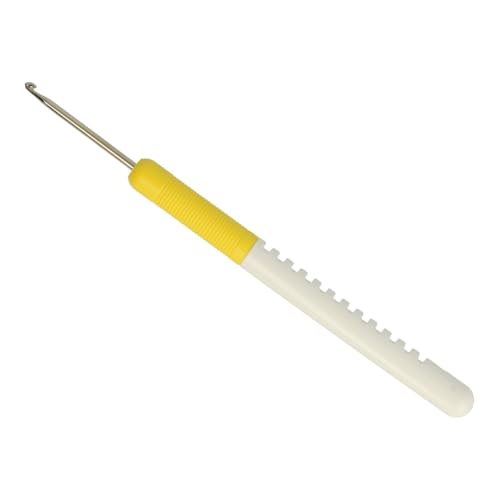
Addi is known for precision engineering, and their comfort grips reflect that focus on functionality. These are designed to slide onto the end of your needles, providing a wider surface area for your fingers to rest against while you maneuver the yarn.
These are an excellent choice if you have arthritis or limited dexterity, as the wider profile reduces the need for a tight pinch. They work exceptionally well with slick metal needles, which can otherwise be difficult to hold during long knitting sessions.
The tradeoff here is that they can add a bit of bulk to your needle set. If you are working on a project with a very tight gauge, ensure the added width doesn’t interfere with your ability to maneuver the needle tips in and out of tight stitches.
Prym Ergonomics Knitting Needle Handle Add-Ons

Prym’s approach to ergonomics is centered on the natural anatomy of the hand. Their handle add-ons are shaped to fit the palm, which helps distribute the pressure of the needle across the entire hand rather than just the thumb and forefinger.
These are particularly helpful for knitters who prefer "lever knitting" or other styles that rely on resting the needle against the body or palm. By shifting the strain away from the small muscles in the fingers, you can sustain your knitting pace for much longer.
Be aware that these add-ons are best suited for needles with a consistent shaft diameter. If you use needles with a significant taper near the tip, the grip may slide during use.
Boye Ergonomic Needle Gripper Sleeve Set

The Boye sleeve set is a classic, no-nonsense solution for knitters who just need a bit more "purchase" on their needles. These sleeves are typically made from a soft, high-friction silicone that prevents the needle from sliding through your fingers.
This is the ideal choice for beginners who are still learning to control their tension. When you aren’t fighting to keep your needles from slipping, you can focus more on your stitch formation and yarn management.
The main consideration is the texture of the silicone. While it provides excellent grip, it can sometimes attract lint or pet hair from your yarn, so keep a damp cloth nearby to wipe them down occasionally.
Susan Bates Soft Touch Needle Grip Adapters

Susan Bates has long been a staple in the knitting world, and their grip adapters are designed for those who appreciate a lightweight, minimalist feel. These adapters add just enough cushion to take the "bite" out of thin metal needles without feeling like you’re holding a thick marker.
They are perfect for working with lace weight yarns on small-diameter needles. When you are knitting with 2.00mm or 2.25mm needles, the thin metal can dig into your skin; these adapters provide a crucial layer of protection.
Because they are lightweight, they won’t alter the balance of your needles. This makes them a great "set and forget" upgrade for your favorite pair of needles.
Pony Ergonomic Needle Grip Starter Kits
Pony offers a versatile starter kit that allows you to experiment with different shapes and sizes of grips. This is a fantastic option if you aren’t sure what type of ergonomic support works best for your specific hand size and knitting style.
The kit usually includes various densities of foam and rubber, letting you test which material feels most natural. For example, some knitters prefer a squishy foam for short sessions, while others require a firm rubber for all-day knitting.
Don’t be afraid to mix and match these grips based on the project. A heavier weight yarn might require a different grip style than a delicate silk blend, as your tension requirements will shift significantly between the two.
KnitPro Ergonomic Needle Handle Comfort Pads

KnitPro’s comfort pads are designed to be thin, unobtrusive, and highly durable. They are less about changing the shape of your needle and more about adding a layer of comfort to the points where your fingers naturally rest.
These are a great choice if you knit with circular needles and find that the join or the needle shaft creates a pressure point. Because they are low-profile, they won’t interfere with your ability to store your needles in a standard case.
The bottom line is that they offer a subtle but effective improvement. They are ideal for knitters who want to reduce strain without drastically changing the "feel" of their needles.
Why Ergonomic Grips Reduce Hand Strain and Pain
Hand strain in knitting usually stems from repetitive micro-movements and the need to maintain a constant, firm grip on thin, hard materials. By increasing the diameter of your needle handle, you allow your hand to remain in a more relaxed, "open" position.
This simple change reduces the workload on the small muscles and tendons in your fingers. Over time, this helps prevent the onset of tendonitis or carpal tunnel-related symptoms that can sideline a knitter for weeks.
Remember that a grip is not a cure-all for poor posture. Even with the best ergonomic tools, you must take regular breaks, stretch your hands, and ensure your shoulders are relaxed while you work.
How to Select the Right Grip for Your Needle Type
Choosing a grip depends heavily on the material of your needles. If you use bamboo or wooden needles, you likely have enough natural friction, so you might only need a grip for comfort.
If you prefer slick nickel-plated or stainless steel needles, you need a grip that provides both cushion and traction. In this case, look for silicone-based grips that prevent the needles from slipping through your grip as you work.
Consider your gauge as well. If you are a tight knitter, you are likely putting more pressure on your needles; choose a firmer, more durable grip that won’t compress to nothing after an hour of work.
Tips for Maintaining Your Ergonomic Needle Grips
To keep your grips in top shape, treat them like any other tool in your kit. Regularly wipe them down with a mild soap and water solution to remove natural skin oils and yarn dust that can make them slick.
Avoid using harsh chemicals or alcohol-based cleaners, as these can degrade the rubber or silicone over time. If a grip starts to lose its "stick," a quick cleaning is usually all it takes to restore its performance.
Finally, keep an eye on the fit. If a grip becomes loose and starts sliding off the needle, it’s time to replace it or use a small amount of double-sided tape to secure it. A loose grip is not only annoying but can actually cause more strain as you subconsciously fight to keep it in place.
Finding the right ergonomic grip is a personal journey that depends on your hand anatomy, your knitting style, and the specific needles you prefer. Do not be discouraged if your first choice isn’t the perfect fit, as even small adjustments can make a world of difference in your comfort. Experiment with different textures and thicknesses until you find the solution that allows you to knit pain-free for hours. Your hands are your most valuable knitting tools, so treat them with the care they deserve.