6 Best Instructional Lace Pattern Books for Intermediate Knitters
Elevate your skills with these six essential lace pattern books. Discover expert techniques and intricate designs tailored for intermediate knitters today.
Transitioning from basic stitch patterns to the ethereal world of lace requires a shift in how you read your work and manage your tension. Intermediate knitters often find that the right reference book acts as both a technical manual and a source of artistic inspiration. These six selections provide the perfect bridge between simple yarn-overs and complex, heirloom-quality textiles. Mastering these designs will transform your knitting practice from a series of repetitive movements into an intentional craft.
A Gathering of Lace by Leah Michelle Gilbert


This book is a fantastic entry point for the knitter who wants to understand the why behind the lace rather than just following a string of instructions. It focuses on the construction of lace shawls, which is the most forgiving way to learn how to manage increases and decreases simultaneously.
The patterns are presented with a clarity that respects the reader’s intelligence without overwhelming them with unnecessary jargon. You will find that the projects rely on logical progressions, making it easier to spot an error before you have knitted yourself into a corner.
If you have struggled with the "dreaded" lace repeat, this book’s emphasis on structural integrity will be a game changer. It teaches you to read your knitting, which is the single most important skill for any intermediate maker.
Victorian Lace Today by Jane Sowerby

Jane Sowerby’s work is a masterclass in historical context, breathing new life into patterns that were once trapped in dusty, out-of-print pamphlets. For the intermediate knitter, this book offers a bridge to more intricate, traditional motifs that have stood the test of time.
The charts are exceptionally clean, which is vital when you are juggling multiple yarn-overs and stacked decreases. You will notice that the designs often require a higher level of focus, making them perfect for those long winter evenings when you want to get lost in a rhythm.
Be mindful that these patterns often use finer yarn weights, which can be taxing on the hands if you are used to worsted-weight projects. Ensure you have good lighting and perhaps a pair of ergonomic needles to keep your tension consistent across longer rows.
The Magic of Shetland Lace by Elizabeth Lovick

Shetland lace is legendary for its delicate, cobweb-like quality, and this book captures that heritage with remarkable precision. It is an essential read for anyone who wants to understand the interplay between fine wool fibers and the airy, open structures that define this style.
The book excels at explaining the "nuance" of Shetland techniques, such as the specific way to handle the transition between a lace panel and a garter stitch border. It is not just a collection of patterns; it is a cultural history that informs your technique.
If you are intimidated by the thinness of traditional lace-weight yarns, start with the projects that utilize a slightly heavier laceweight. This will allow you to practice the intricate motifs without the added stress of working with thread-like fibers.
Knitted Lace of Estonia by Nancy Bush

Estonian lace is characterized by its bold, sculptural motifs and the famous "nupp" (a small, popcorn-like bobble). Nancy Bush provides the definitive guide here, making complex techniques feel accessible through meticulous, step-by-step instruction.
The beauty of this book lies in its ability to show you how to combine simple elements into something that looks incredibly sophisticated. The nupp, while challenging at first, becomes a meditative part of the process once you find your rhythm.
A quick tip: when working with Estonian patterns, keep a highlighter and a magnetic chart keeper nearby. The complexity of the motifs often means you need to track your row progress precisely to ensure the symmetry of the design remains intact.
Lace Style by Pam Allen and Ann Budd
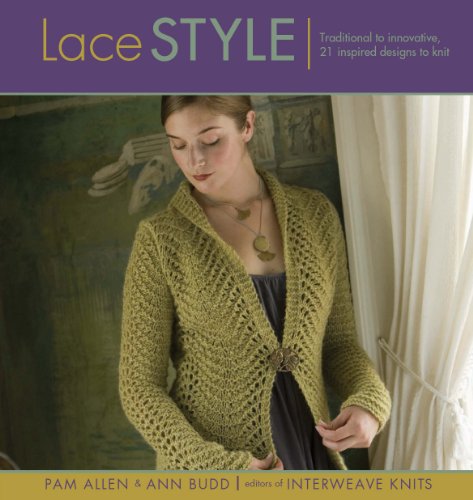
This book takes a refreshing approach by focusing on lace as a garment element rather than just a standalone shawl. It is perfect for the intermediate knitter who wants to move beyond accessories and start incorporating lace into sweaters and tops.
The designs are modern and wearable, proving that lace doesn’t have to look like a vintage doily. You will learn how to integrate lace motifs into shaping, which is a vital skill for anyone interested in designing their own garments.
Keep in mind that fitting lace garments requires a bit more foresight regarding ease. Because lace is inherently stretchy, you must consider how the fabric will behave once it is blocked and worn over your body.
Modern Lace Knitting by Rosemary Hill

Rosemary Hill brings a contemporary sensibility to the craft, focusing on clean lines and geometric motifs that feel fresh in a modern wardrobe. This is an excellent choice for the knitter who wants to explore lace without feeling like they are stepping back in time.
The book is particularly strong on the technical aspects of finishing, which is where many intermediate knitters tend to stumble. Proper finishing is what separates a "homemade" project from a professional-looking garment.
If you prefer a more minimalist aesthetic, this book will be your go-to reference. It proves that lace can be bold, structural, and entirely suited to a modern, everyday lifestyle.
How to Choose Your Next Lace Knitting Project
Choosing the right project is about balancing your current skill level with the "stretch" factor—you want a challenge, but not one that leads to frustration. Start by evaluating the stitch repeats; if the pattern has a 40-row repeat, ensure you are comfortable with keeping track of your progress.
Consider the yarn fiber as well, as this dictates the outcome of the lace. A crisp, high-twist wool will define the stitches beautifully, while a soft alpaca or silk blend will drape wonderfully but may blur the definition of your decreases.
- For your first complex piece: Choose a shawl with a repetitive, easy-to-memorize motif.
- For a technical challenge: Look for projects that incorporate lace into garment shaping.
- For a quick win: Focus on lace-bordered cowls or scarves that don’t require complex assembly.
Essential Tools for Successful Lace Knitting
Lace knitting demands tools that support your accuracy rather than hindering it. Because you are often working with fine yarn and delicate points, your needle choice is paramount.
- Needle Material: Stainless steel or nickel-plated needles are excellent for lace because they are slick, allowing stitches to slide easily. However, if you are working with slippery silk or bamboo yarn, you might prefer the grip of wood or carbon fiber.
- Stitch Markers: Use locking stitch markers to denote the start of a repeat, and consider using different colors to track different sections of the chart.
- Lifelines: Always carry a scrap of smooth, contrasting waste yarn to insert as a lifeline every few rows. It is the best insurance policy against having to rip back your work.
Understanding Lace Charts and Written Patterns
Many knitters find written instructions easier at first, but charts are the universal language of lace. A chart provides a visual map of your work, making it significantly easier to spot a mistake in your stitch count before you move to the next row.
When reading a chart, remember that you are usually looking at the right side of the work. If you are knitting flat, remember that wrong-side rows are often simply purled, but always double-check the key to see if the designer has included decorative elements on the back.
Never be afraid to use a sticky note or a magnetic board to track your progress row by row. If you lose your place, look at the stitches on your needle; if you see a "v" shape, that is a knit stitch, and if you see a horizontal bar, that is a purl.
Tips for Blocking Your Finished Lace Projects
Blocking is not optional in lace knitting—it is the final step of the construction process. It is where the fabric is "set" and the true beauty of the pattern is revealed.
Start by soaking your project in cool water with a gentle wool wash for about 20 minutes. Gently squeeze out the excess moisture in a towel, being careful not to wring or twist the fabric, which can damage the fibers.
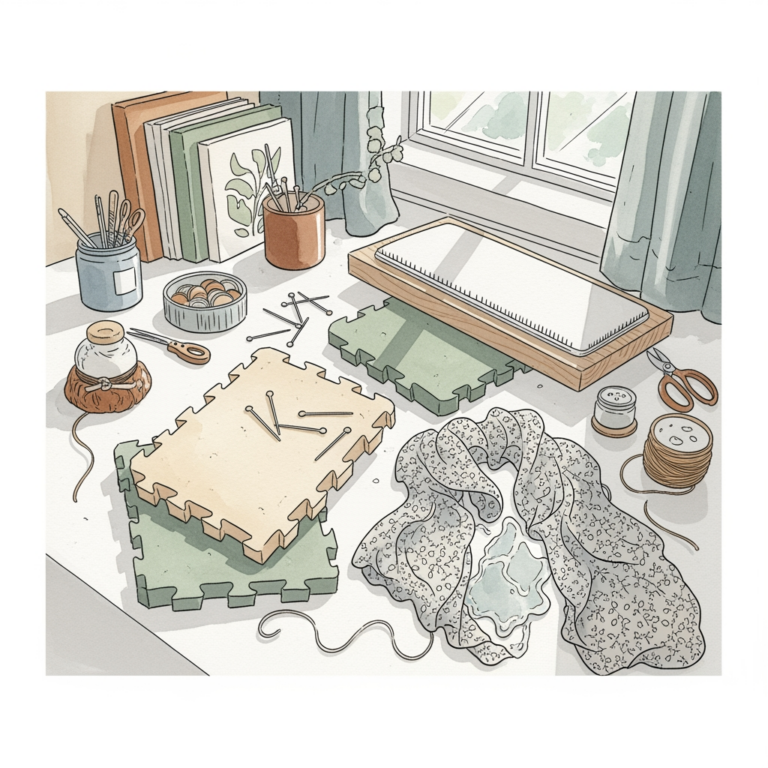
Pin your lace out on blocking mats, starting from the center and working your way out to the edges. Use rust-proof T-pins or blocking wires to pull the lace taut, which will open up the yarn-overs and create that signature airy look.
The transition to intermediate lace knitting is a journey of patience, precision, and the joy of watching a delicate fabric emerge from your needles. By utilizing these resources and focusing on the fundamentals of chart reading and blocking, you will elevate your craft significantly. Remember that every mistake is simply a lesson in how your yarn behaves and how your stitches interact. Keep your tension consistent, your lifelines ready, and your needles moving, and you will soon be creating heirloom pieces that reflect your unique skill and style.